DP World studies small modular reactors to power Constanța port
DP World is weighing SMRs for Constanța as the port’s shore-power buildout accelerates. The study will test whether firm nuclear power fits a 2030-to-2050 load curve.

DP World is testing whether a small modular reactor could do for Constanța what grid upgrades and piecemeal electrification may struggle to deliver: steady power for shore equipment, terminal systems and the wider industrial load of a fast-growing Black Sea hub. The feasibility study, launched June 4 with the Commissariat à l’Energie Atomique et aux Energies Alternatives, or CEA, and TerraWater Institute, will model the port’s energy demand from 2030 to 2050 and ask whether nuclear-backed low-carbon power can match that profile.
The study is aimed well beyond a simple generation question. DP World said the work will look at integrated low-carbon energy systems for the port, including industrial activity, residential heating and the broader needs of a digital and trade hub. CEA’s own SMR materials also point to heat production as a use case, which gives the technology a fit for mixed port loads rather than only electricity demand.
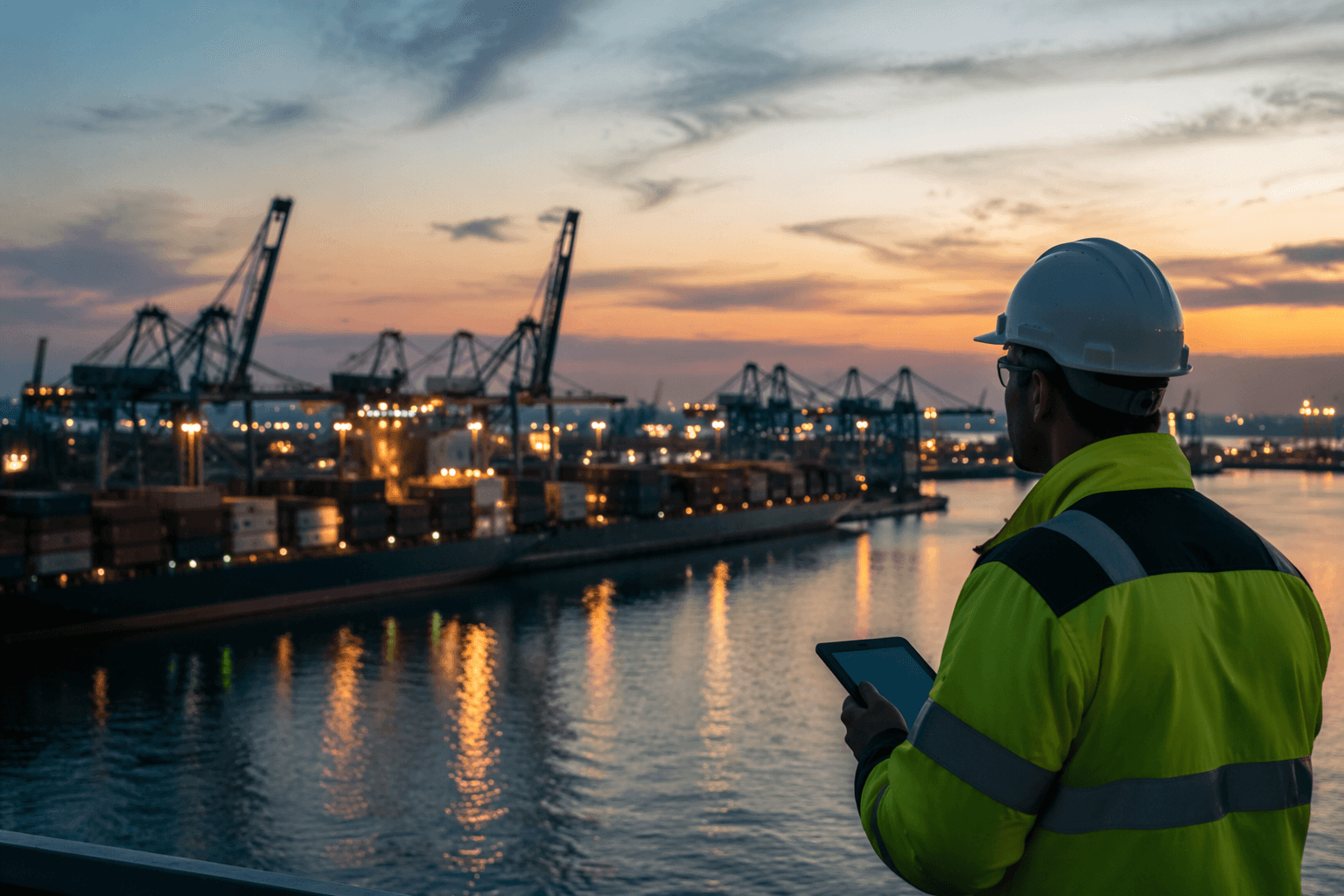
Constanța’s setting makes the exercise more than a local planning study. The port sits at the mouth of the Danube-Black Sea Canal and serves as a key gateway for Romania, Eastern Europe and Central Europe. Its scale is large enough to make the energy question hard to ignore: one industry source said the port handled 92.7 million tonnes of cargo and 989,795 TEUs in 2024, while another said Romanian maritime ports handled 59.55 million tonnes that year and Constanța accounted for 96.7% of national throughput.
The nuclear study arrives as the port is already moving ahead with hard infrastructure upgrades. The European Bank for Reconstruction and Development approved a senior loan of up to €50 million in July 2024 for Constanta South Container Terminal electrification, with total project cost estimated at €200 million. The EBRD project scope includes restoring the terminal’s electrical infrastructure with new networks, transformer points, electric vehicles and charging stations. Separate reporting in 2025 and 2026 said shore-to-ship power would equip 14 berths by December 2026, while onshore power work was also reported for 10 berths. In May 2026, CSCT tendered a €31 million electrification project.
That is why the feasibility study matters: it is a real-world test of whether SMRs can move from power-plant talk into port infrastructure. DP World, CEA and TerraWater still have to prove technical feasibility, strategic fit, economics, safety standards and community impacts before any reactor could become part of Constanța’s long-term power picture.
This article was produced by Prism’s automated news system from verified source data, official records, and press releases, then run through automated quality and moderation checks before publishing. The system is built and supervised by the people who set the standards it runs under. Read our full AI policy.
Know something we missed? Have a correction or additional information?
Submit a Tip_59969.jpg&w=1920&q=75)