enCore Energy completes first phase at Upper Spring Creek uranium project
enCore finished phase one at Upper Spring Creek’s satellite IX plant, with the first wellfield nearing completion and extraction set to start once final permits arrive.
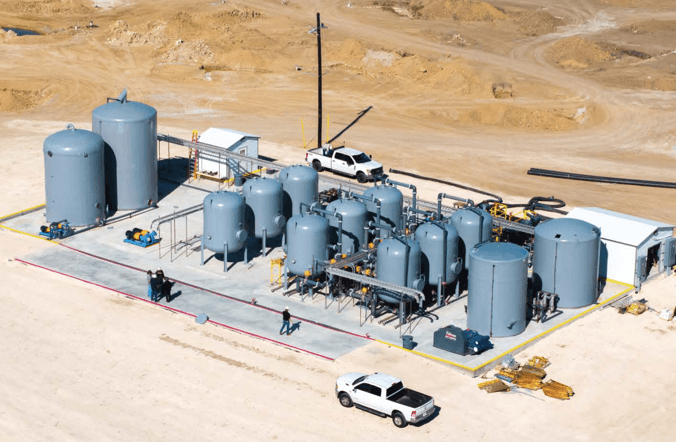
The physical buildout at Upper Spring Creek has reached the point where uranium can start moving from the ground into the fuel cycle. enCore Energy said phase one of construction at its Satellite Remote Ion Exchange plant is complete in South Texas, and the first production wellfield is now close enough to begin extraction once final permits are received.
In practical terms, that means the project is no longer just pads, pipe runs, and licensing paperwork. enCore said the portion already built can process 1,600 gallons per minute, about half of the site’s eventual 3,200-gallon-per-minute capacity, and the company expects the built-out system to reach 75% by the end of June and full capacity by the end of July. Drilling for the first 800-gallon-per-minute module is finished, the module’s wellfield infrastructure is nearly complete, and work has already started on three more modules.
That sequencing matters in an in-situ recovery project. Wells have to be drilled, surface ion exchange equipment has to be installed, and the regulatory approvals have to line up before the site can start producing uranium-loaded resin for transport. enCore’s own framing makes the connection plain: Upper Spring Creek is intended to feed the licensed Rosita Central Processing Plant, which already operates in South Texas. Once the final permits land and the first wellfield goes live, the project can begin turning physical flow into uranium product rather than just construction progress.
The regulatory groundwork was laid last year, when the Texas Commission on Environmental Quality approved inclusion of Upper Spring Creek’s Brown Area in enCore’s existing Radioactive Materials License. That approval allowed construction of wellfields and a satellite IX plant to begin for the Rosita system. Texas is an Agreement State, so radioactive materials oversight sits with the state rather than the U.S. Nuclear Regulatory Commission directly licensing fuel-cycle facilities in the state.

enCore says Upper Spring Creek is the second satellite in its South Texas network and the largest satellite it has built. Company materials also place the ore body at depths typically between 300 and 450 feet from surface, and describe the project as part of a 70/30 joint venture with Boss Energy Limited that enCore manages.
The timing lands in a uranium market that is still tight enough to matter. The U.S. Energy Information Administration said U.S.-origin uranium accounted for 8% of total deliveries in 2024, up from 5% in 2023, while the weighted-average spot price for 2024 spot-contract deliveries was $54.09 per pound. The U.S. Geological Survey said spot prices reached $106 per pound in January 2024, a 17-year high. At Upper Spring Creek, the next milestone is no longer just construction finishing, but the point where a finished satellite plant starts feeding a domestic uranium pipeline that reactors are watching closely.
This article was produced by Prism’s automated news system from verified source data, official records, and press releases, then run through automated quality and moderation checks before publishing. The system is built and supervised by the people who set the standards it runs under. Read our full AI policy.
Know something we missed? Have a correction or additional information?
Submit a Tip
_59969.jpg&w=1920&q=75)