Canada funds first executive nuclear energy management school
Canada put C$50,000 into its first executive nuclear management school in Saskatoon, betting the next bottleneck is leadership, not reactors.
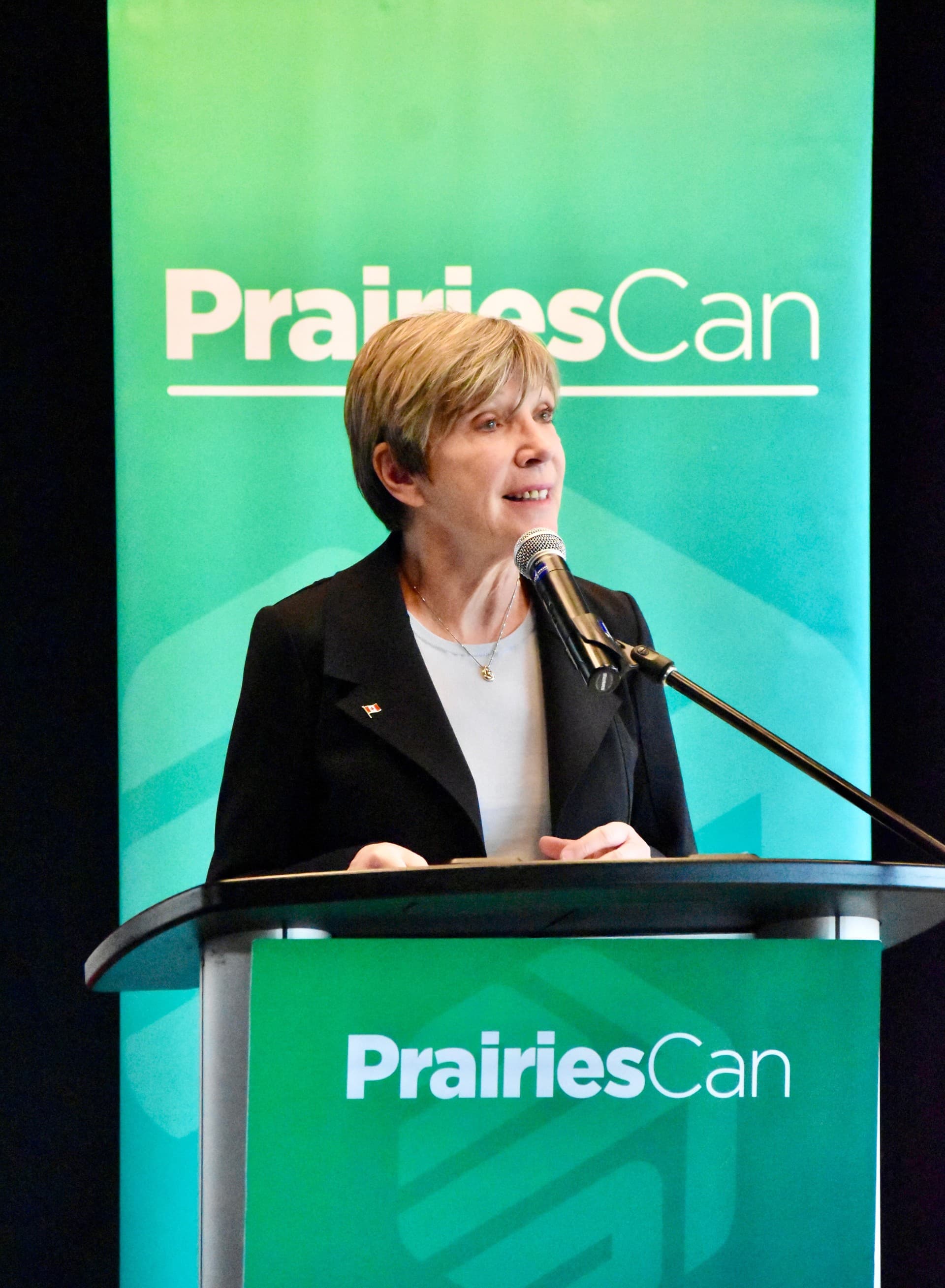
Canada just put money into the part of nuclear buildouts that usually gets ignored: the managers who have to keep them moving. Prairies Economic Development Canada announced C$50,000 in Saskatoon for the first Canadian Executive Nuclear Energy Management School, a one-week program meant to train the executives, senior staff and mid-level leaders that Saskatchewan’s nuclear plans will need if they are ever going to become real projects.
Eleanor Olszewski, the federal Minister of Emergency Management and Community Resilience and minister responsible for PrairiesCan, made the announcement on June 8, 2026. The University of Saskatchewan said Executive NEMS ran from June 8 to 13, 2026, and that it was hosted with the International Atomic Energy Agency. USask described the program as an intensive executive course for leaders from government, industry, regulatory agencies, research and academia, with material covering strategic planning, advanced reactor deployment, regulatory readiness, organizational capability and governance for introducing or expanding nuclear power.

That curriculum tells you exactly where the pressure is. Canada does not just need more engineers and operators. It needs people who can steer permitting, safety culture, community engagement and project execution at the same time, especially as small modular reactors and other advanced reactor plans move from conference slides to actual development work in the Prairies. The school is meant to produce that management layer, not just another line on a training brochure.
Saskatchewan is pushing hard enough that the workforce question now looks like an industrial bottleneck. PrairiesCan said the province is the world’s second-largest producer of uranium, and the same federal agency announced a separate investment on April 7, 2026, to help Saskatchewan companies prepare for nuclear supply-chain needs. Put together, those moves show a province building both the hardware side and the people side of the nuclear business.
The executive school also builds on the 2025 Canadian National Nuclear Energy Management School at USask, which was billed as the first IAEA-run Nuclear Energy Management School outside Ontario. That earlier program welcomed 50 students from five Canadian provinces and territories, and the First Nations Power Authority later highlighted three Indigenous participants who completed it: Mesa Kennedy, Erica Anaquod and Christopher Hansen. That matters because nuclear projects in Saskatchewan will rise or stall on more than technical design. They will depend on whether the sector can grow a pipeline of managers who understand regulators, suppliers, communities and the pace of real project delivery.
This is what makes the Saskatoon announcement more than a modest grant. Canada is starting to treat nuclear expansion as a human-capital problem, and the test now is whether the leadership bench can grow fast enough to keep pace with the next wave of Prairie nuclear plans.
This article was produced by Prism’s automated news system from verified source data, official records, and press releases, then run through automated quality and moderation checks before publishing. The system is built and supervised by the people who set the standards it runs under. Read our full AI policy.
Know something we missed? Have a correction or additional information?
Submit a Tip
_59969.jpg&w=1920&q=75)