DUNE begins lowering 10 million pounds of steel underground for detector build
Crews have started lowering 10 million pounds of steel a mile underground in Lead, turning DUNE’s far detector from cavern excavation into installation.
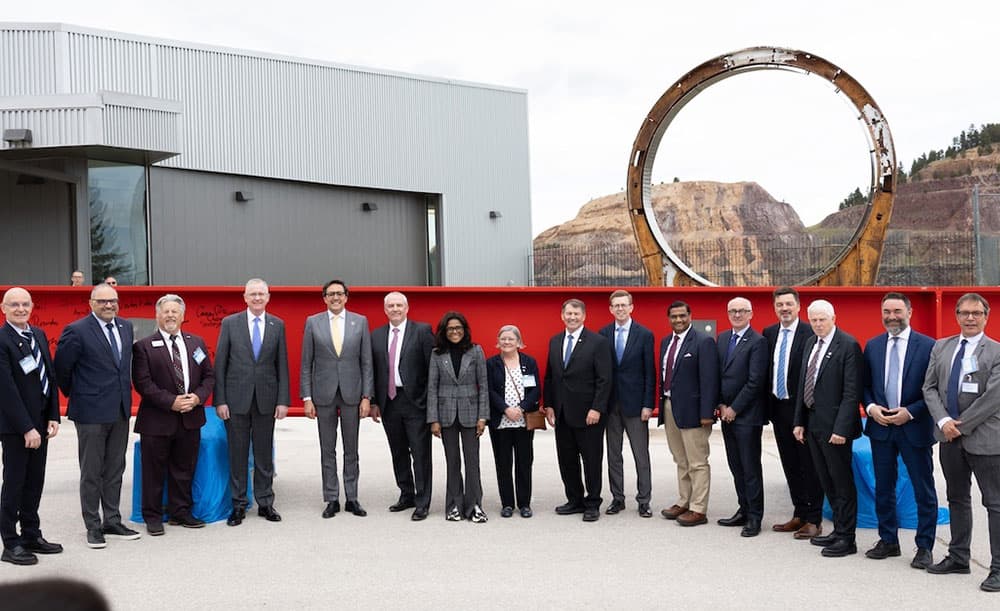
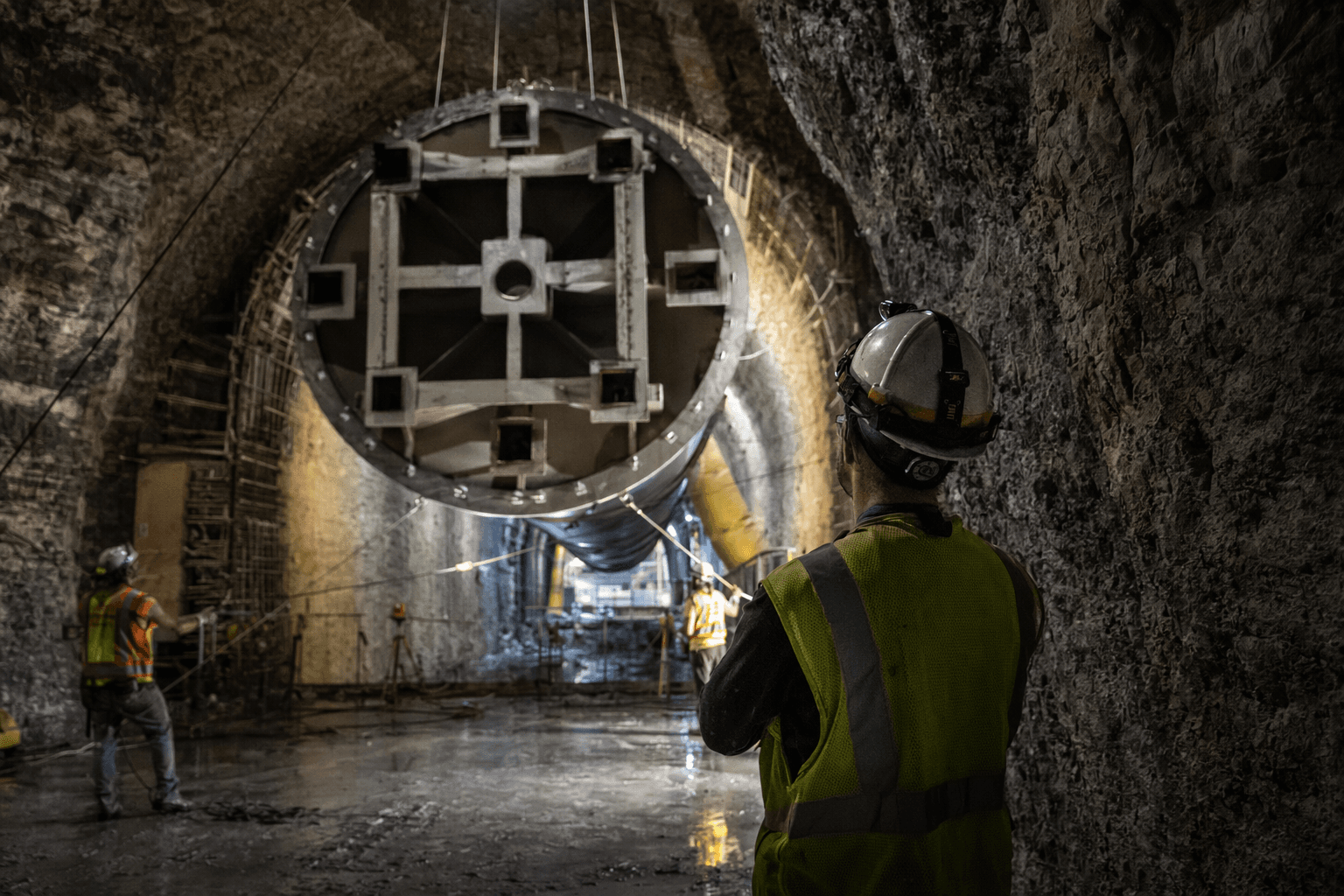
Steel finally went underground at the Sanford Underground Research Facility, and that is the moment DUNE has been building toward. On May 7, crews in Lead, South Dakota began lowering the first of about 10 million pounds of steel a mile beneath the former Homestake Mine, starting the physical buildout of the experiment’s far detector structures.
The milestone matters because it marks the shift from digging to installing. For years, DUNE lived in plans, cavern maps and test lifts. Now the project is moving structural steel into the 4,850-foot level underground, where it will support detector components for one of the most ambitious neutrino experiments ever attempted. Fermilab director Norbert Holtkamp framed the day as the start of a pivotal phase, with safety, quality and schedule carrying equal weight as the collaboration moves into installation.
The scale is hard to miss. DUNE’s beam will travel about 800 miles from Fermilab in Batavia, Illinois, to SURF in Lead. CERN is contributing personnel, expertise and 10 million pounds of steel, and Fermilab says this is the first time CERN has invested in infrastructure for an experiment outside Europe. Senior leaders from the U.S. Department of Energy, members of Congress, Fermilab, CERN and SURF joined local community members for the ceremony, underscoring how far beyond a lab announcement this project reaches.
That steel is being lowered into caverns that were completed in February 2024 after the excavation of almost 800,000 tons of rock. Two main caverns measure more than 500 feet long and about seven stories tall, with a third utility cavern alongside them. SURF has said the far site will eventually house four large detectors, each expected to hold 17,000 tons of liquid argon, making the underground chamber work as crucial as the physics itself.

This step also follows a dry run that mattered more than it looked. SURF previously lowered a six-ton L-shaped steel beam a mile underground in a successful test, a rehearsal for the 2,100 structural elements now scheduled for delivery. The whole build is unfolding at a site with deep neutrino history: Ray Davis first directly detected solar neutrinos at Homestake, giving South Dakota a legacy in the field that DUNE is now extending at an entirely different scale.
Know something we missed? Have a correction or additional information?
Submit a Tip