Eden Radioisotopes seeks NRC permit for New Mexico isotope plant
Eden Radioisotopes filed for NRC approval of a New Mexico isotope plant that could supply up to half of global Mo-99 demand.
Eden Radioisotopes took the project out of the concept phase and into federal review on May 5, 2026, filing a construction permit application with the U.S. Nuclear Regulatory Commission for a medical-isotope complex near Eunice, New Mexico. The move matters because the plant is not being pitched as a niche chemistry site; it is meant to become domestic infrastructure for isotopes that hospitals, radiopharmacies, and cancer-care programs depend on.
NRC records show Eden has been working this file for years. On August 7, 2023, the company told regulators it intended to submit construction permit and operating license applications for the Eden Isotope Production Complex, or EIPC. Agency materials describe the planned facility as a 2 MW light-water reactor with hot cells and a target fabrication facility, while earlier Eden material described a smaller 1.8 MW non-power reactor and processing plant devoted solely to medical isotope production. Eden has also said it expects the project to produce molybdenum-99 and lutetium-177, with iodine-131 and xenon-133 included in its plans.

The regulatory path is still long. Eden’s preapplication work included an NRC regulatory engagement plan and a request for high-level review of the draft preliminary safety analysis report, a sign the company was trying to smooth the way before filing. A 2021 NRC presentation from Eden said the company expected to submit the construction permit application in two parts and anticipated an environmental assessment rather than a full environmental impact statement. The May filing is a milestone, but the NRC still has to review the package, examine safety and environmental issues, and decide whether the application is complete enough to docket before construction can move ahead.
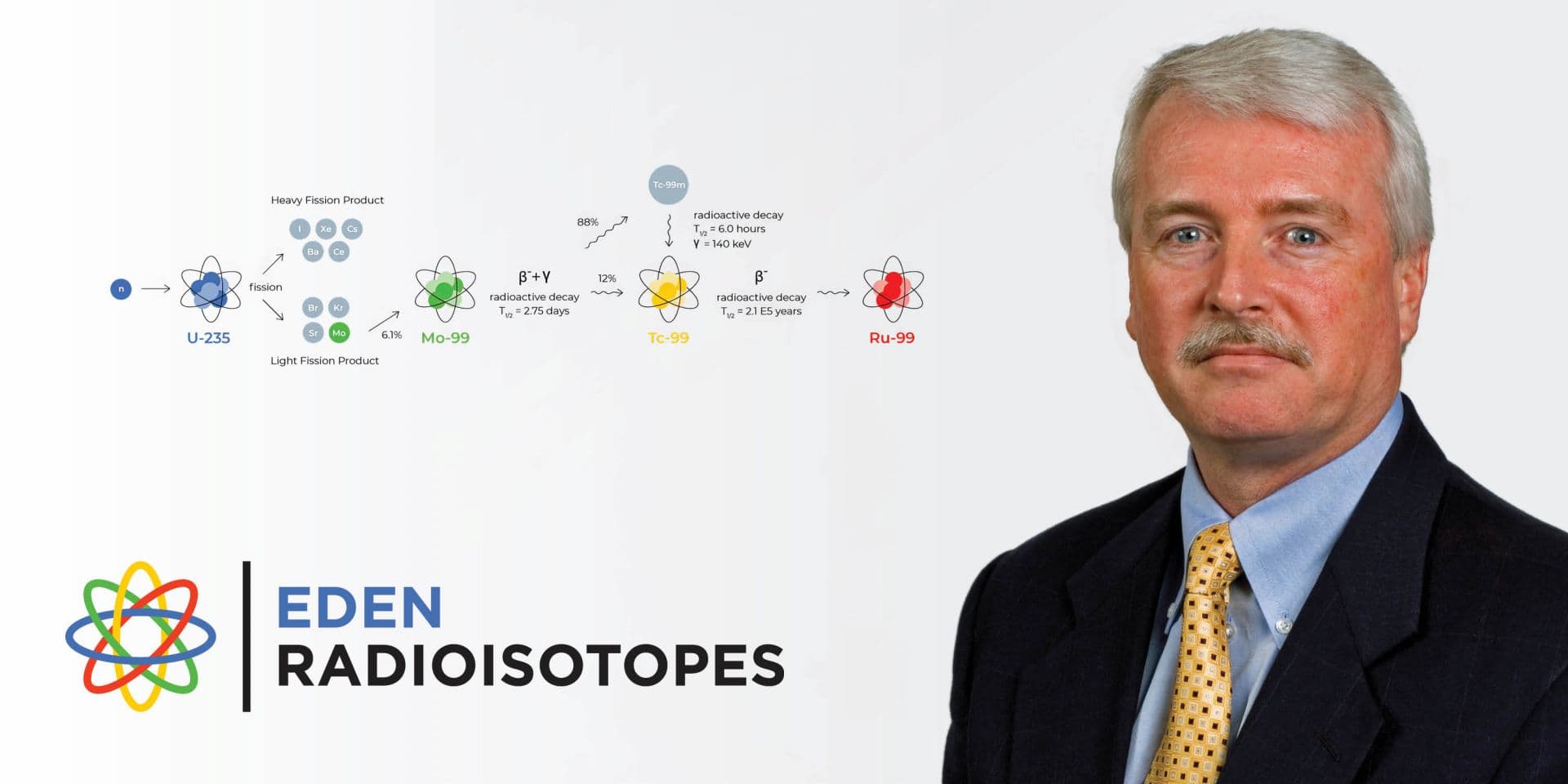
The commercial stakes are unusually large for a facility of this size. Eden has said the plant could supply up to 50% of global molybdenum-99 demand. Mo-99 is the parent isotope of technetium-99m, the workhorse tracer used in more than 40,000 diagnostic imaging procedures a day in the United States. Industry reporting also says the Eunice site could produce copper-64 and terbium-161, with capacity for more than 3.5 million annual doses of therapeutic isotopes.
That is why the filing lands as more than a licensing event. An American Nuclear Society report said the United States has lacked a reliable domestic source of Mo-99 for decades and has relied on infrastructure in South Africa, the Netherlands, and Belgium to help make it with HALEU targets. If Eden gets through NRC review and eventually builds what it has sketched, the company could help narrow one of the nuclear medicine sector’s most persistent supply vulnerabilities, even if it does not erase it overnight.
This article was produced by Prism’s automated news system from verified source data, official records, and press releases, then run through automated quality and moderation checks before publishing. The system is built and supervised by the people who set the standards it runs under. Read our full AI policy.
Did this article answer your question?