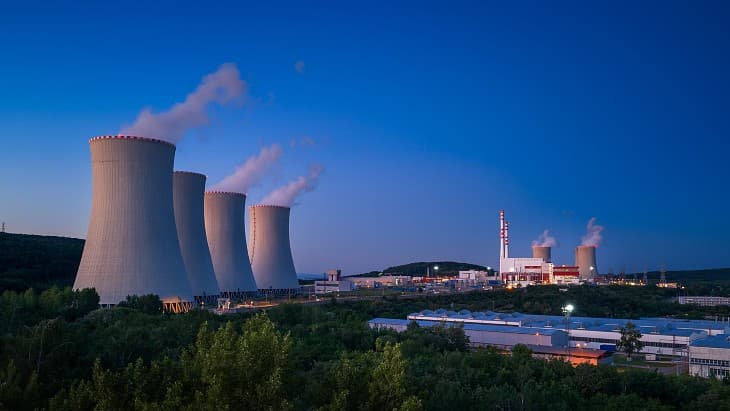
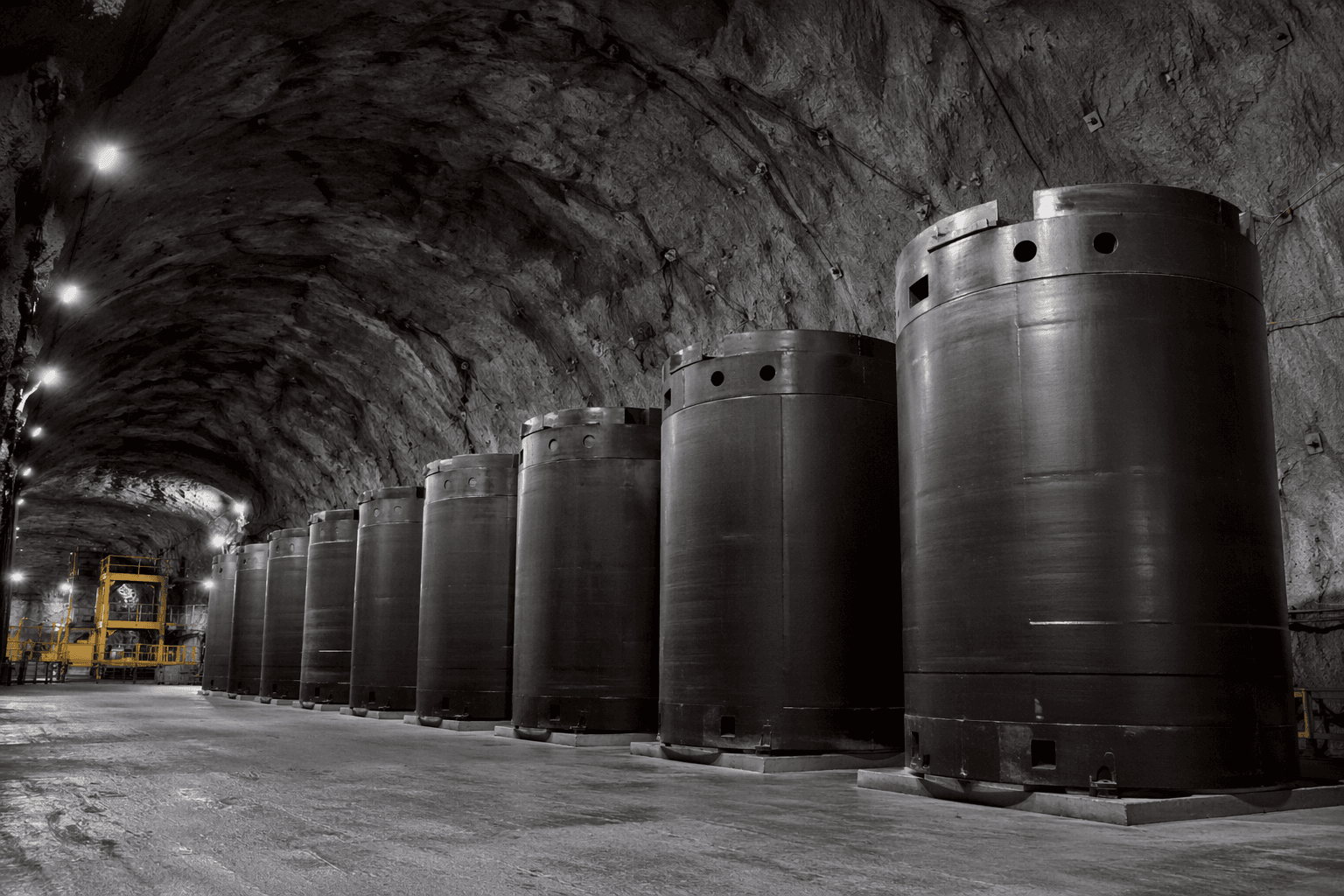
Estonia passes nuclear law paving way for future power plants
Estonia cleared a key nuclear gate with a 63-10 vote, creating the licensing and safety framework that could move Fermi Energia’s 600 MWe project toward a real application.
_18570_13938.jpg&w=1920&q=75)
Estonia has moved from nuclear talk to a usable legal route. By passing the Nuclear Energy and Safety Act on 17 June by 63 votes to 10, the Riigikogu created the licensing, safety and waste framework a future reactor would need before a shovel ever hits the ground.
The law still needs ratification by the president, but it is already the most important procedural step Estonia has taken toward nuclear deployment. It does not merely say the country may one day build a plant. It sets out how a project would be checked and controlled, covering site selection, construction, testing, operation, decommissioning and final waste disposal. It also imposes a new political gate: any decision to construct a nuclear power plant must be approved by parliament.
That matters because the law removes the biggest legal gap that had held the sector back. The Ministry of Climate said existing rules, mainly the Radiation Act, covered radiation activities but not the full lifecycle of a nuclear facility. The new act creates a phased licensing system with a preliminary assessment, construction licence, testing licence, operating licence and decommissioning licence. It also assigns safety and end-of-life responsibility to the developer and operator, while creating a decommissioning fund so the operator contributes through the plant’s life.
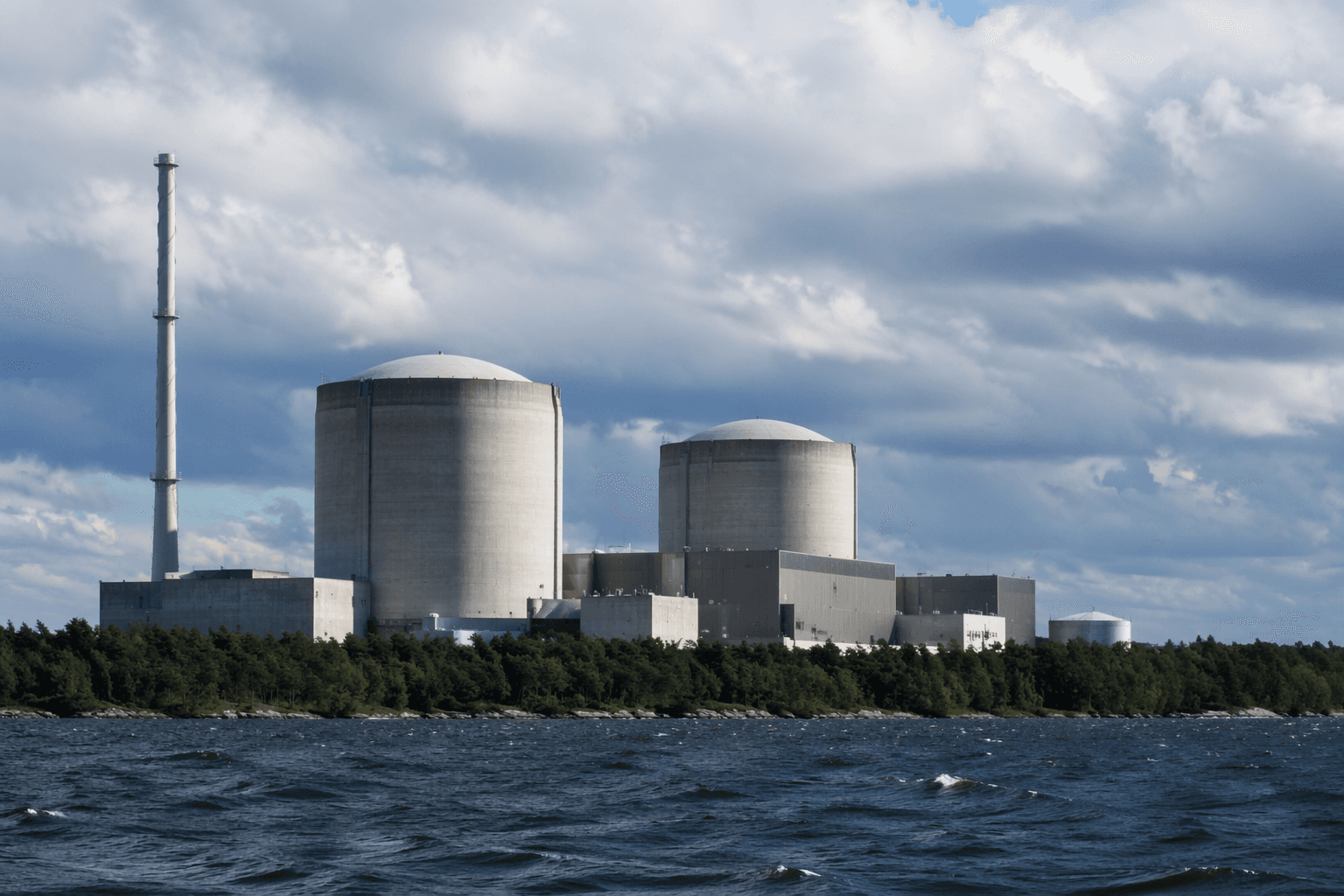
The institutional piece is moving too. Responsibility for nuclear oversight will shift to the Consumer Protection and Technical Regulatory Authority, which is scheduled to begin operating as the nuclear regulator on 1 January 2027, when the act is expected to enter into force. The law also sets principles for nuclear security, physical protection, emergency preparedness and international safeguards, while limiting technology choices to solutions already proven in practice.
For Fermi Energia, Estonia’s only identified private nuclear developer, the vote opens the next phase of its spatial planning and pre-assessment work for a planned 600 MWe plant. The company has said it is pursuing BWRX-300 small modular reactor technology and expects to submit its pre-assessment application in mid-2029, a timetable that now sits on top of a real legal framework rather than a policy discussion.

The new act builds on a 2024 parliamentary resolution backing nuclear energy, which followed the work of the Nuclear Energy Working Group, created on 5 November 2020, and IAEA support that found Estonia well organized in its preparations to decide on a nuclear programme. Minister Andres Sutt has also framed nuclear power as one option for dispatchable capacity after 2035. With the law passed, Estonia has finally built the scaffolding for a reactor project that can be licensed, financed and approved under a defined national rulebook.
This article was produced by Prism’s automated news system from verified source data, official records, and press releases, then run through automated quality and moderation checks before publishing. The system is built and supervised by the people who set the standards it runs under. Read our full AI policy.
Did this article answer your question?