EU drops subsidy probe into Czech Dukovany nuclear project
The Commission’s no-probe call clears Dukovany’s biggest subsidy risk, leaving permits, procurement and politics before two APR-1000 units can break ground.
_73546.jpg&w=1920&q=75)
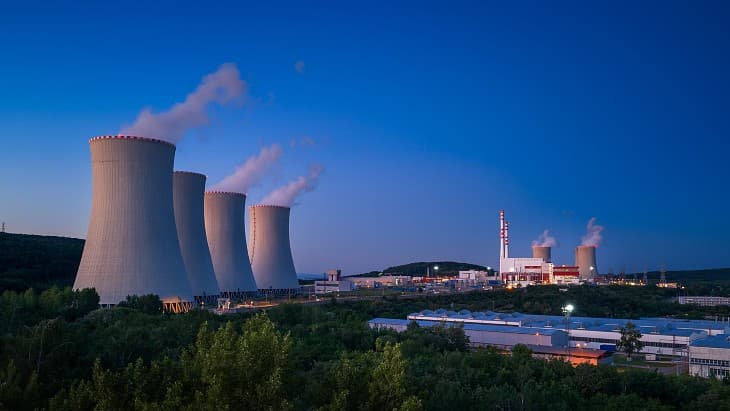
The European Commission has cleared one of the biggest non-technical risks hanging over Dukovany: it will not open an in-depth subsidy investigation into the Czech Republic’s new nuclear build. That removes a major competition and state-aid cloud from a project that has already been fought over in court and at the tender table. What remains now is a harder but more ordinary path, from approvals and procurement to the first concrete.
Czech officials selected Korea Hydro & Nuclear Power as preferred bidder on 17 July 2024 for two APR-1000 units at Dukovany, about 200 kilometres southeast of Prague. The engineering, procurement and construction contract, valued at CZK407 billion, was signed in June 2025 after the Supreme Administrative Court of the Czech Republic overturned a Brno Regional Court injunction on 4 June 2025. Électricité de France later abandoned its legal challenge after that court setback.
Brussels then entered the file in February 2025, when the Commission opened a preliminary review under the EU Foreign Subsidies Regulation into the winning Team Korea consortium. KHNP was notified on 5 June 2026 that the review had been completed and would not be escalated into an in-depth probe. That decision matters because a deeper subsidy case could have slowed, reshaped or reopened one of Europe’s most watched reactor procurements.
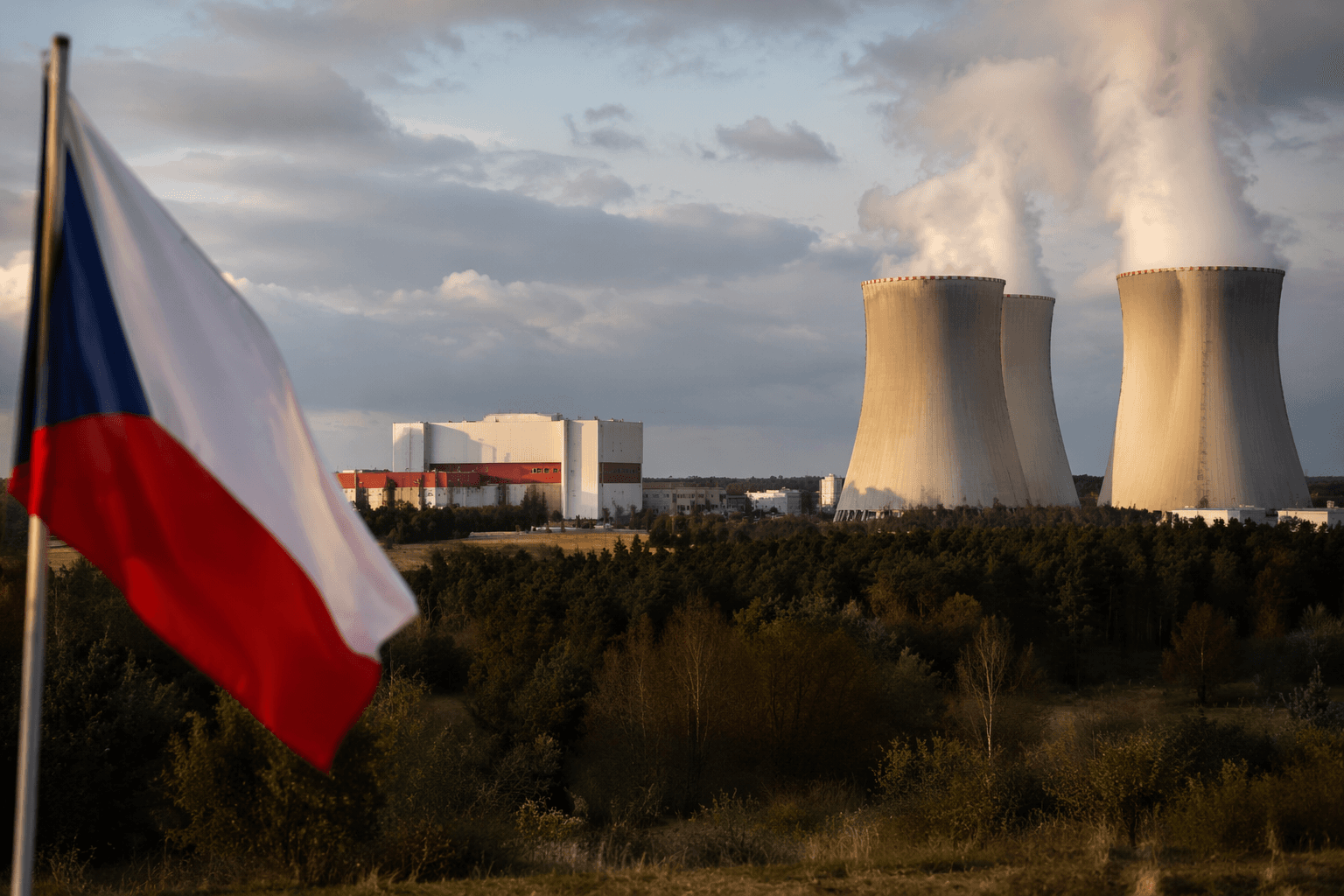
EDF had argued that KHNP’s pricing and its guarantees against delays or cost overruns could not be viable without illegal subsidy support. KHNP rejected that claim, saying it had not received distortive subsidies. Czech officials had already said the state support model for the new Dukovany unit had been approved by the Commission at the end of April 2024, which helped keep the project moving even as the legal fight continued.
The owner, Elektrárna Dukovany II, is 80% owned by the Czech state and 20% by ČEZ. Prague has framed the project as a long-term energy security and low-carbon transition play, with an estimated 60% involvement target for Czech industry. The first unit is scheduled to start operation in 2036, construction is targeted for 2029, and zoning and other milestones still sit ahead before the site shifts from paper to heavy construction. Two additional units at Temelín are also being considered.
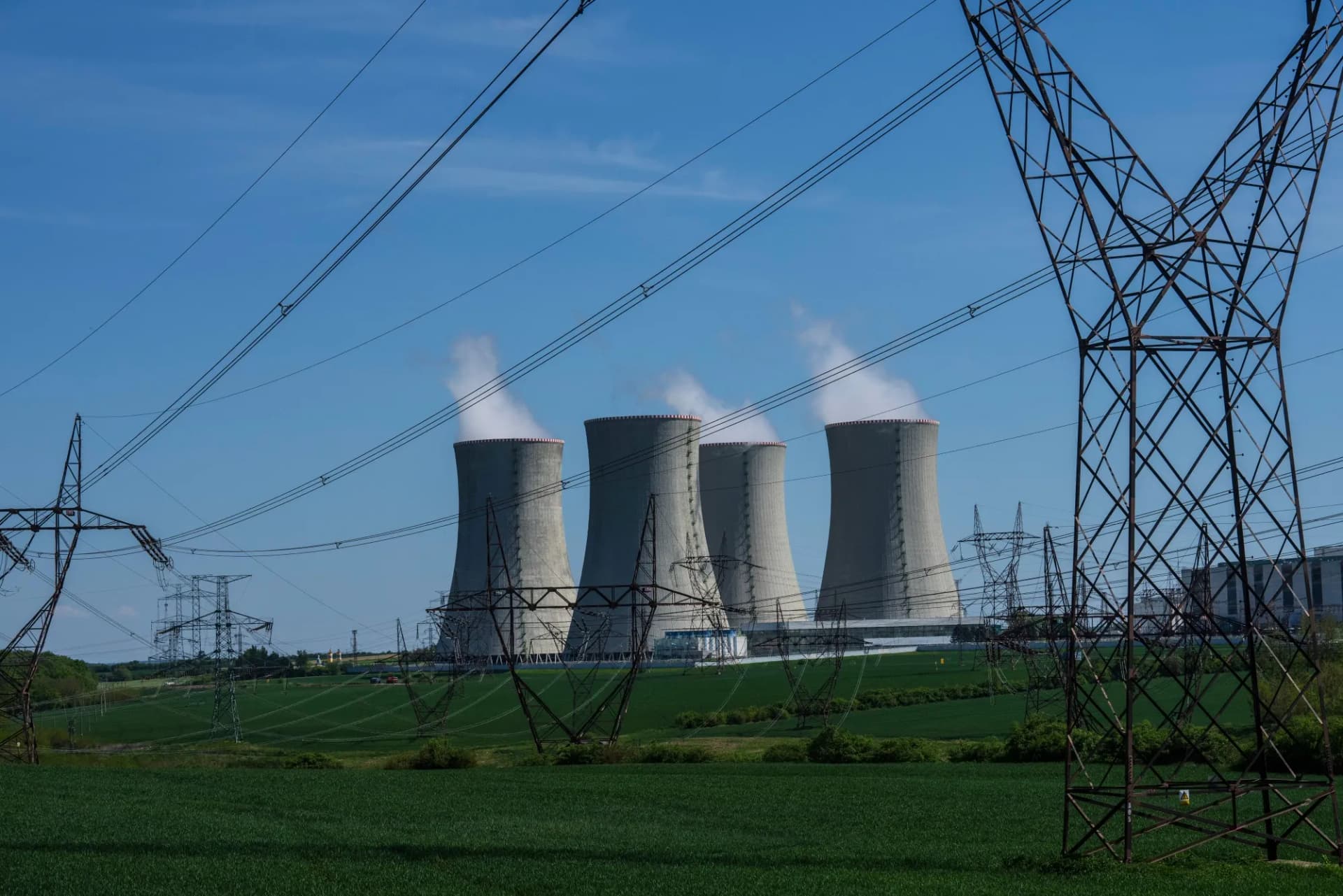
For Dukovany, the Brussels ruling does not pour concrete, but it does strip away one of the heaviest clouds over the route to 2029.
This article was produced by Prism’s automated news system from verified source data, official records, and press releases, then run through automated quality and moderation checks before publishing. The system is built and supervised by the people who set the standards it runs under. Read our full AI policy.
Did this article answer your question?