Europe’s first superconducting X-ray spectrometer starts at BESSY II
Europe’s first synchrotron TES spectrometer has gone online at BESSY II, sharpening X-ray detection enough to cut some scans from hours to minutes.
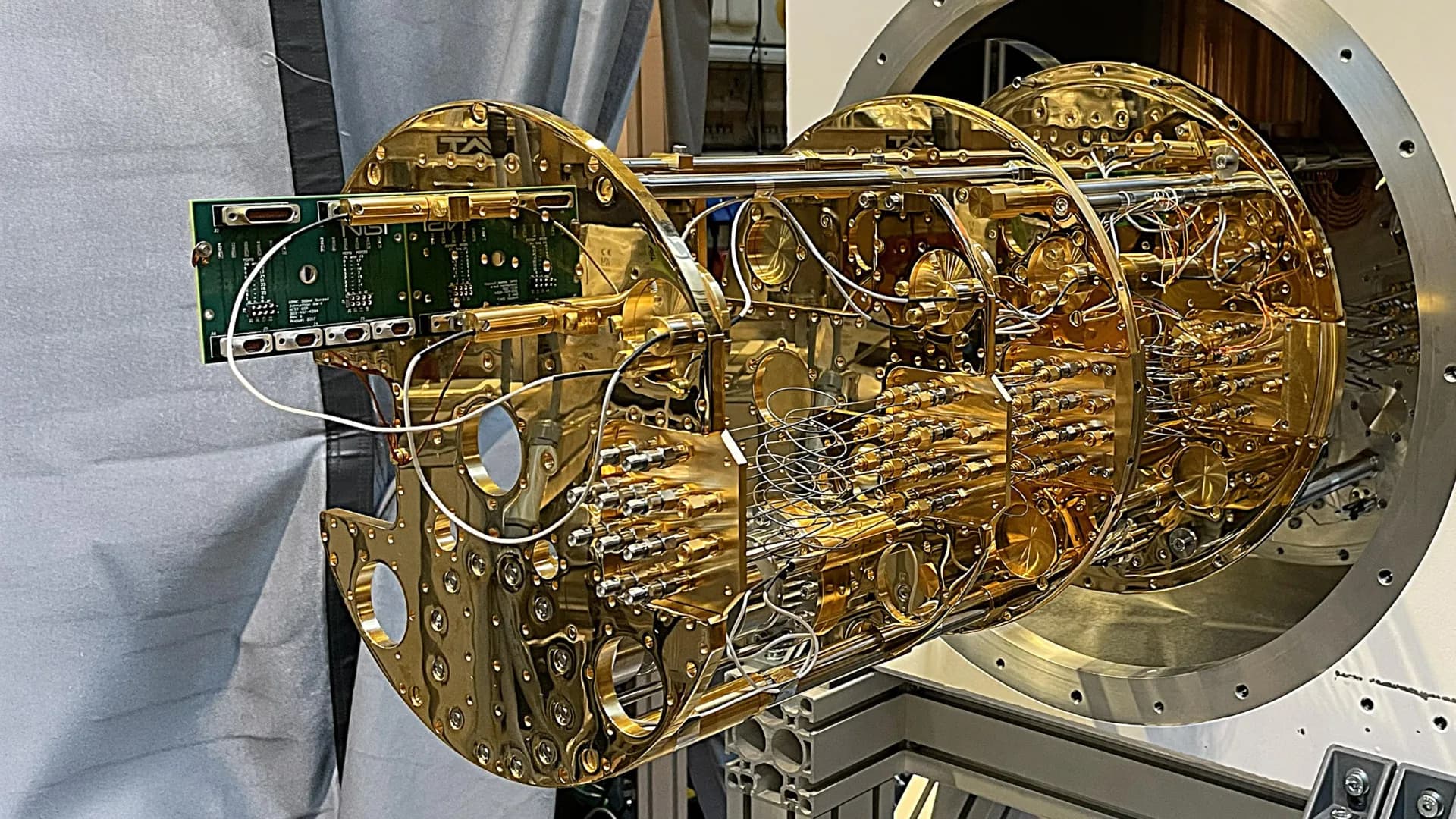
A superconducting X-ray spectrometer has begun operation at BESSY II in Berlin, giving Europe its first transition edge sensor system at a synchrotron source. The detector’s sensitivity is sharp enough that measurements that once took hours can be finished in minutes.
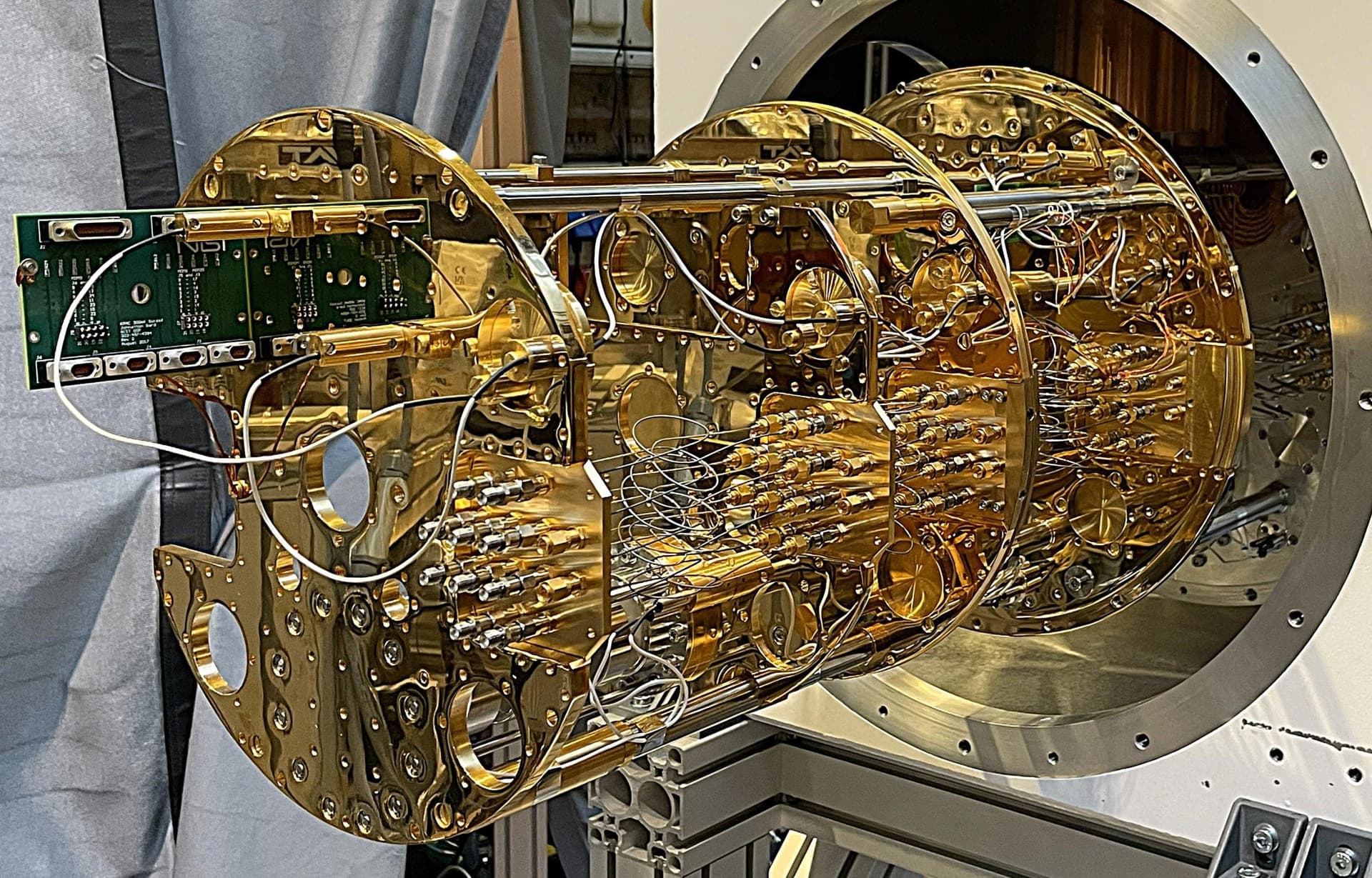
The instrument was built through a collaboration between Helmholtz-Zentrum Berlin, the Max Planck Institute for Chemical Energy Conversion and the US National Institute of Standards and Technology. Its detector array holds 248 superconducting sensors, each cooled below 25 millikelvin in a helium-4 and helium-3 dilution refrigerator, a temperature regime that makes the system work at the edge of superconductivity.

The new TES-based spectrometer can detect X-ray photons with an efficiency 100 to 1,000 times greater than conventional wavelength-dispersive X-ray emission spectrometers. At BESSY II, one of Europe’s major synchrotron light sources, that means researchers can push deeper into X-ray emission spectroscopy and resonant inelastic X-ray scattering without being boxed in by detector inefficiency.
Those methods are notoriously photon-hungry, and until now they have often favored concentrated or bulk samples because ordinary detectors could not collect enough of the emitted signal. The new system makes it far easier to work with atomically thin materials, nanostructures, impurities and highly diluted atomic and molecular samples, all of which can vanish into the noise when detector performance is the bottleneck.
Better photon collection can sharpen studies of molecular chemistry, molecular biology and the quantum properties of low-dimensional systems, while also improving how researchers probe electronic structure, matter under extreme conditions and materials meant to survive radiation environments.
This article was produced by Prism’s automated news system from verified source data, official records, and press releases, then run through automated quality and moderation checks before publishing. The system is built and supervised by the people who set the standards it runs under. Read our full AI policy.
Did this article answer your question?