Fission vs fusion: how nuclear reactions power reactors and stars
The key divide is whether the reaction can keep itself going. Fission can, fusion experiments cannot, and that changes how reactors are built.

A neutron striking a uranium-235 nucleus can split it, release energy, and send out more neutrons. That self-feeding sequence is fission; fusion combines light nuclei and requires extreme conditions to continue.
The shortest definition that actually helps
Fission is the splitting of a heavy nucleus, such as uranium or plutonium, into two smaller nuclei. That split releases a large amount of energy and extra neutrons, which is why the process can keep going if the neutrons hit more fuel atoms in the right range. Fusion does the opposite: it combines two light nuclei, usually hydrogen isotopes, into a heavier nucleus and releases energy in the process.
That is also why fission is not chemistry and it is not just a larger version of burning fuel. In a chemical reaction, electrons rearrange. In a nuclear reaction, the nucleus itself changes identity, and that is where the power comes from.
What fission looks like in a reactor
The cleanest concrete example is uranium-235. Natural uranium is only about 0.7% U-235, so commercial reactor fuel is typically enriched to about 5% U-235 before it is loaded into a plant. That enrichment matters because U-235 is the isotope that most readily supports the chain reaction used in power reactors.
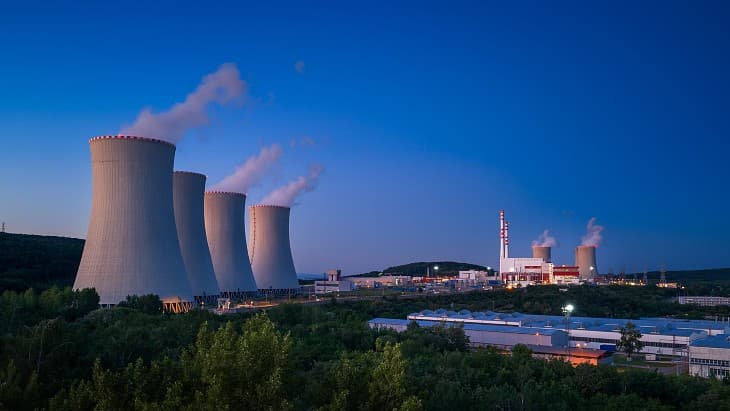
If the neutrons released in one split go on to split other U-235 nuclei, the sequence continues and the reactor produces steady heat. That is the core idea behind controlled nuclear power: the system is designed so the reaction stays in the right range rather than racing away or dying out.
Why fusion is a different beast
Fusion uses the light end of the periodic table instead of the heavy end. A concrete example is deuterium and tritium, two hydrogen isotopes, which can fuse into a heavier nucleus and release energy. This is the process that powers the sun and stars.
On Earth, though, fusion is brutally hard. The fuel has to be pushed to extreme temperatures and pressures before the nuclei will overcome their natural repulsion and fuse. That is the big operational difference: fusion experiments are about creating and holding those conditions long enough to get energy out, not about letting a reaction self-propagate the way fission can.
Fusion can release energy, but it does not run as a self-sustaining chain reaction in the way fission does. One fusion event does not normally trigger a multiplying sequence of identical fusion events; instead, experimental devices have to keep the plasma hot, dense, and stable by engineering the conditions around it.
Why “chain reaction” belongs to fission
The phrase chain reaction means a sequence in which one nuclear event creates the next one. In fission, the extra neutrons from a split can trigger more splits, which is why the reaction can sustain itself once the fuel and geometry are right. In fusion experiments, the goal is different: keep light nuclei hot and confined long enough to fuse, not to produce a neutron-driven cascade of more and more fusion events.
Fission headlines are often about whether the chain reaction is stable, because that is the mechanism that produces steady heat in a reactor. Fusion headlines are usually about temperatures, pressures, confinement, and plasma behavior, because the challenge is holding the fuel together under extreme conditions, not letting the fuel itself multiply the reaction.
A plain-English comparison
| Feature | Fission | Fusion |
|---|---|---|
| What happens | A heavy nucleus splits | Two light nuclei combine |
| Typical fuels | Uranium, plutonium | Hydrogen isotopes such as deuterium and tritium |
| Chain reaction | Yes, it can sustain one | No, not in the reactor sense |
| Main condition | Proper neutron economy in the core | Extreme temperature and pressure |
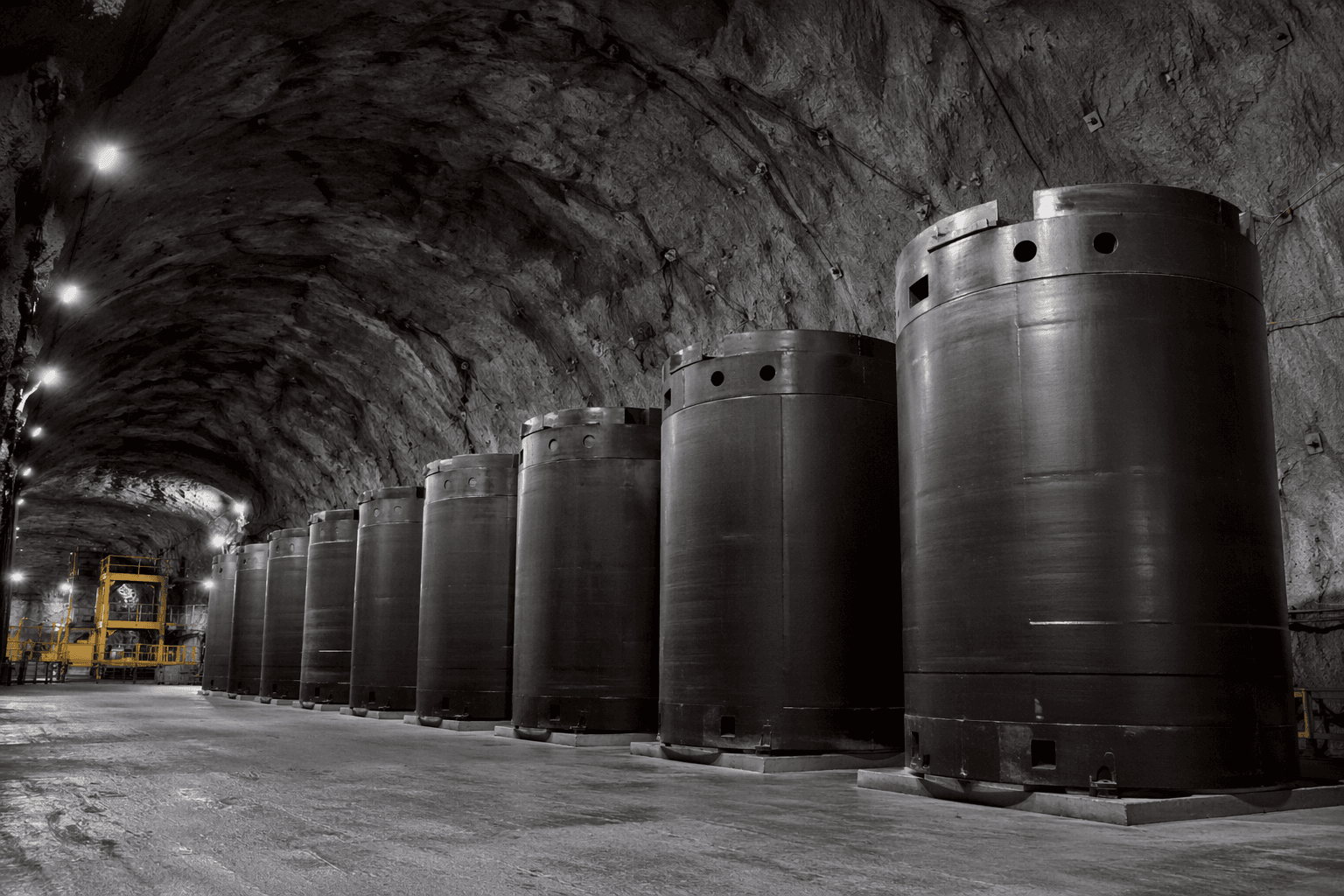
| Waste profile | Long-lived radioactive waste | Expected to produce much less |
| Status | Reliable energy source for decades, carefully regulated | Still being developed |
If the story is about uranium fuel enriched from natural 0.7% U-235 to about 5%, or about neutrons keeping a reactor’s heat steady, you are in fission territory. If the story is about hydrogen isotopes, extreme temperatures, and the sun’s power being recreated on Earth, you are in fusion territory.
This article was produced by Prism’s automated news system from verified source data, official records, and press releases, then run through automated quality and moderation checks before publishing. The system is built and supervised by the people who set the standards it runs under. Read our full AI policy.
Did this article answer your question?