GAO warns DOE cleanup office faces 45 percent vacancy rate
DOE cleanup staffing fell to 856 workers, leaving a 45 percent vacancy rate and 59 safety-critical posts empty as radioactive cleanup work strains on.
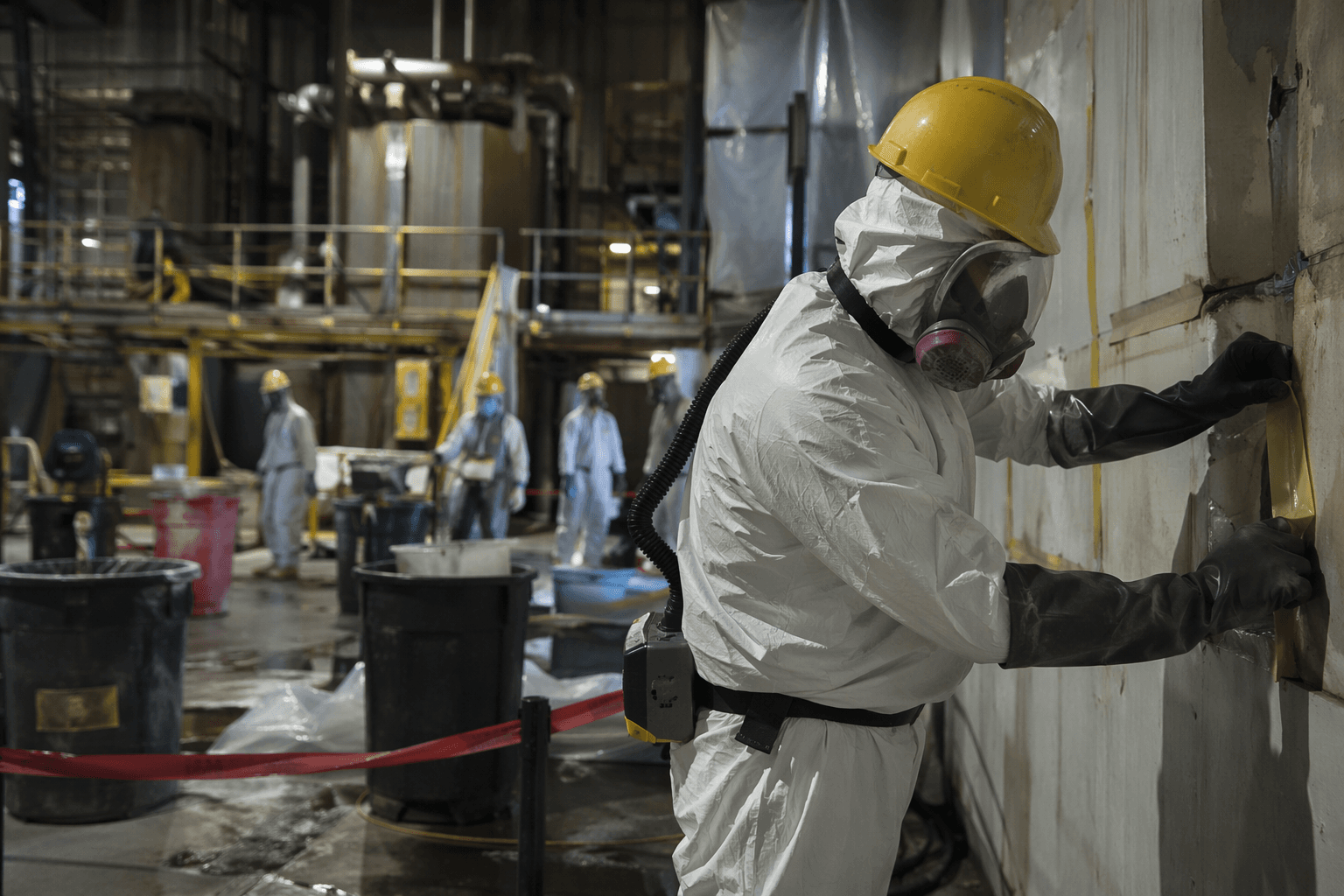
The people meant to keep America’s oldest nuclear messes moving are thinning out fast, and the consequences land well beyond Washington. The Department of Energy’s Office of Environmental Management, the arm that cleans contaminated buildings, soil and groundwater and treats radioactive waste, was operating with a 45 percent vacancy rate at the end of fiscal 2025, according to a new Government Accountability Office report.
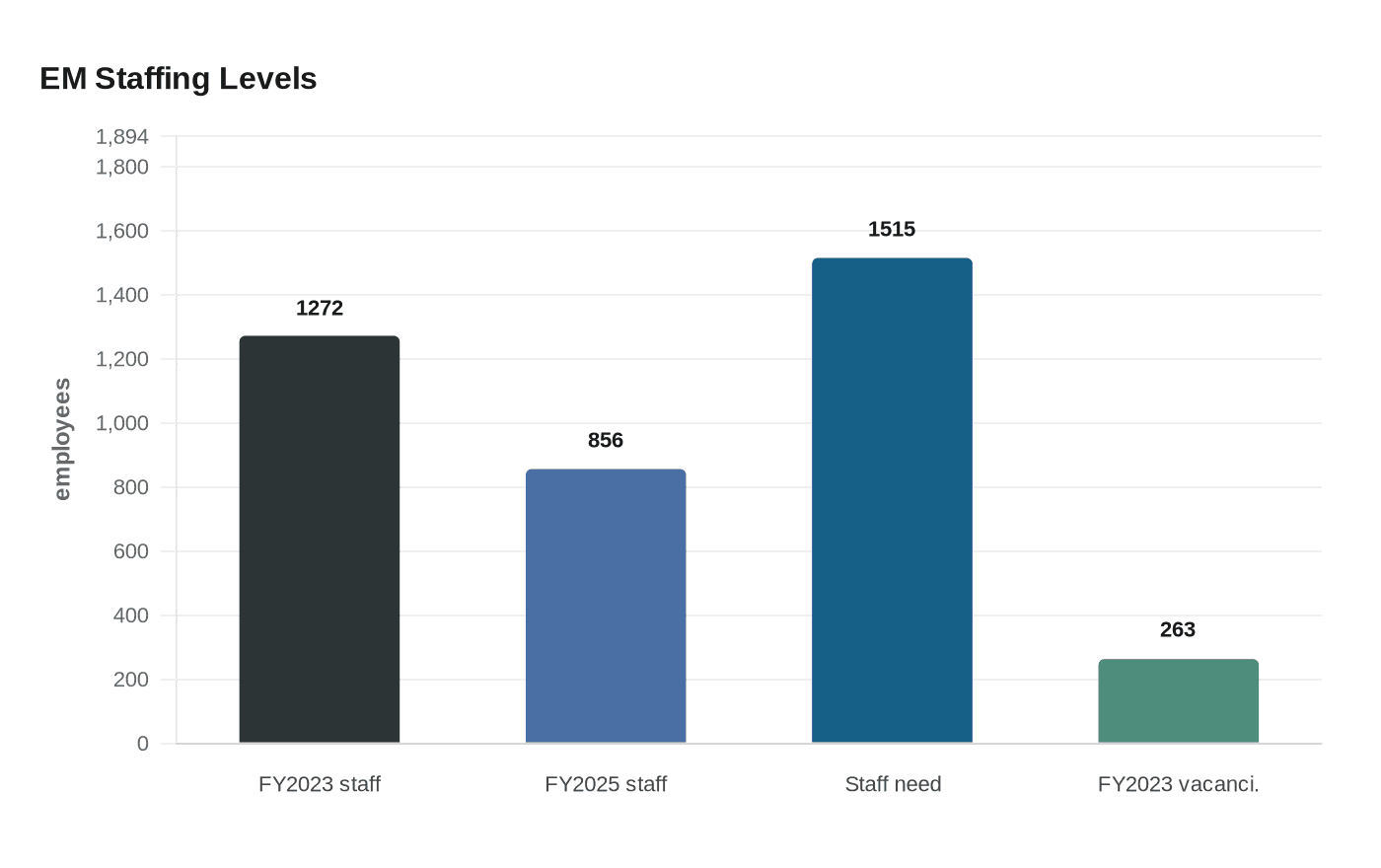
The numbers show how quickly the floor has dropped out. EM staff fell 33 percent from 1,272 in fiscal 2023 to 856 in fiscal 2025, even as GAO pegged the office’s staffing need at 1,515 full-time employees. Of the 409 workers who left in fiscal 2025, 312, or 76 percent, separated through the Deferred Resignation Program. Another 180 departures were in mission-critical jobs such as engineering, contracting, physical sciences and IT management.
That drain is hitting the cleanup mission where it hurts most. EM headquarters officials told GAO in December 2025 that 59 positions they considered especially key to safety were vacant. The report says those empty chairs mean fewer people left to manage the same workload, which raises the risk of burnout among the staff still on the job. In a cleanup enterprise that depends on steady oversight, missed inspections, schedule slips and budget overruns are not abstract warnings; they are the kind of delays that can leave contaminated facilities and waste systems sitting in place longer than planned.
GAO also flagged the long horizon problem. Thirty-five percent of EM’s remaining workforce will be eligible to retire by 2030, and the share rises to 30 percent in mission-critical occupations. That means the office is not just trying to refill a hole left by recent departures. It is trying to replace an experienced workforce before the next wave of exits lands.
The warning echoes an earlier GAO report from July 2024, which found 263 vacant positions at the end of fiscal 2023, an 18 percent vacancy rate in 14 mission-critical job series, and 44 percent retirement eligibility by 2030. That report called for 10 workforce fixes, including a forward-looking staffing plan, a multigenerational pipeline strategy and updated agreements with DOE’s Shared Service Center. DOE agreed to those recommendations, but GAO said they were still open as of March 2026.
DOE now plans to hire about 174 new staff in fiscal 2026, and the Office of Personnel Management approved a DOE request to bring in workers from outside and from other parts of the department. But the latest report leaves the same uneasy picture: cleanup sites across the United States are still being asked to move forward with a workforce that is smaller, older and stretched thinner, just as the backlog of radioactive waste and contamination demands the opposite.
This article was produced by Prism’s automated news system from verified source data, official records, and press releases, then run through automated quality and moderation checks before publishing. The system is built and supervised by the people who set the standards it runs under. Read our full AI policy.
Did this article answer your question?