German labs launch HEDI to advance fusion and extreme matter research
HEDI opened in Rostock with teams already assembled and a new institute funded 90-10, turning Germany’s fusion push into concrete lab capacity.
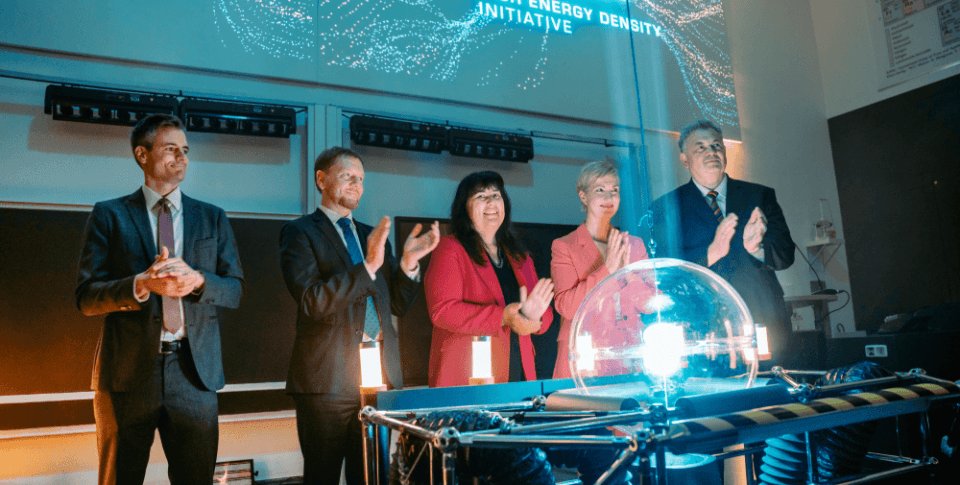
The High Energy Density Initiative opened in Rostock on June 18 with Ronald Redmer and Dominik Kraus already leading first research teams and international projects. That makes HEDI more than a launch event: the first real test is whether the collaboration can turn its new structure into working experimental capacity, starting with HZDR’s new Institute for High Energy Density Physics at the Rostock site and a third professorship for Applied High Energy Density Physics that is being prepared for 2027.
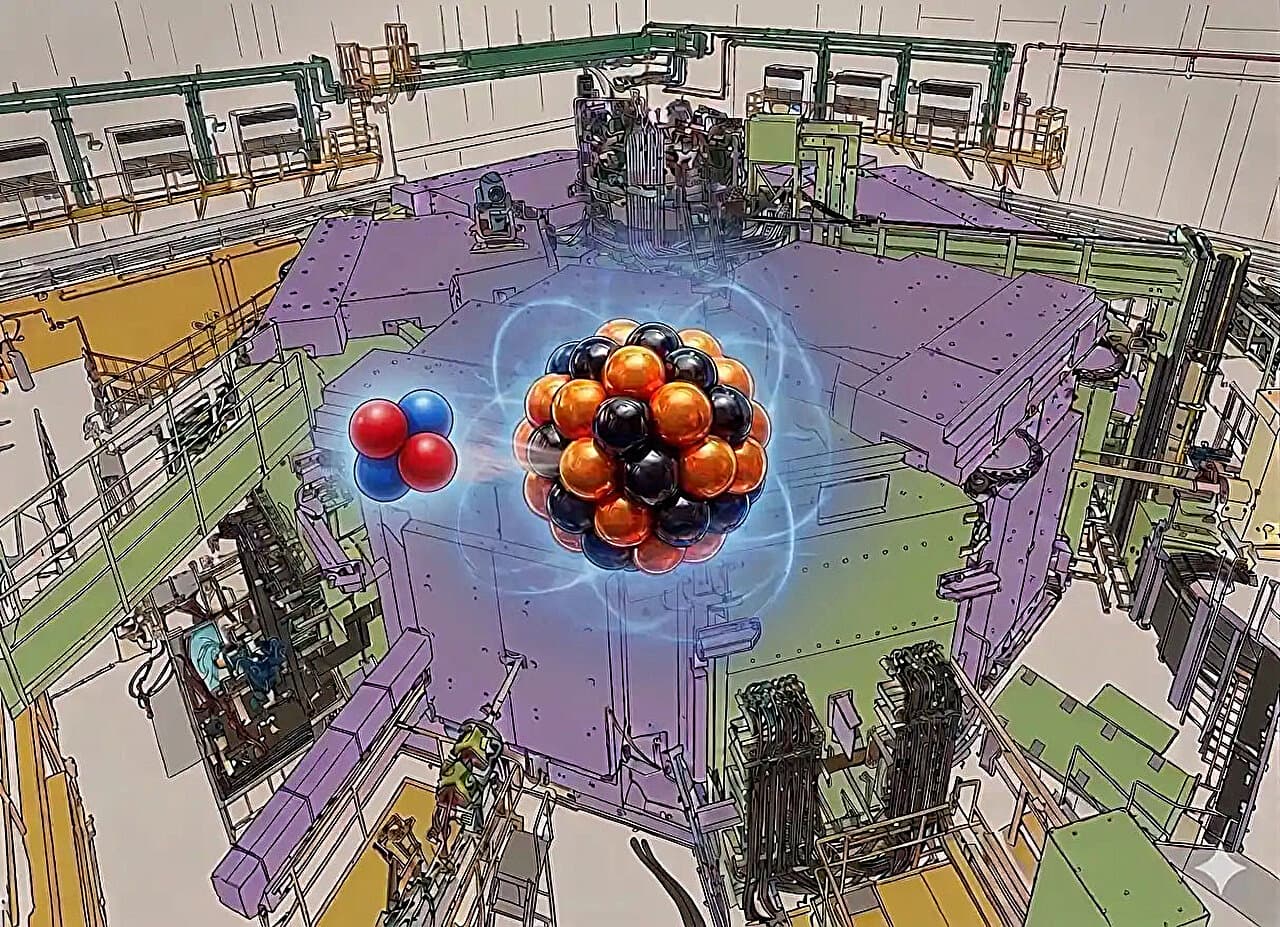
HEDI links the University of Rostock and Helmholtz-Zentrum Dresden-Rossendorf around a field that sits right at the edge of fusion science. HZDR defines high-energy-density matter as material with energy densities above about 10^11 joules per cubic meter, which corresponds to pressures above 100 gigapascals, or roughly one million times atmospheric pressure. That is the regime where inertial confinement fusion lives and dies, and where matter stops behaving in ways that ordinary laboratory physics can comfortably predict.
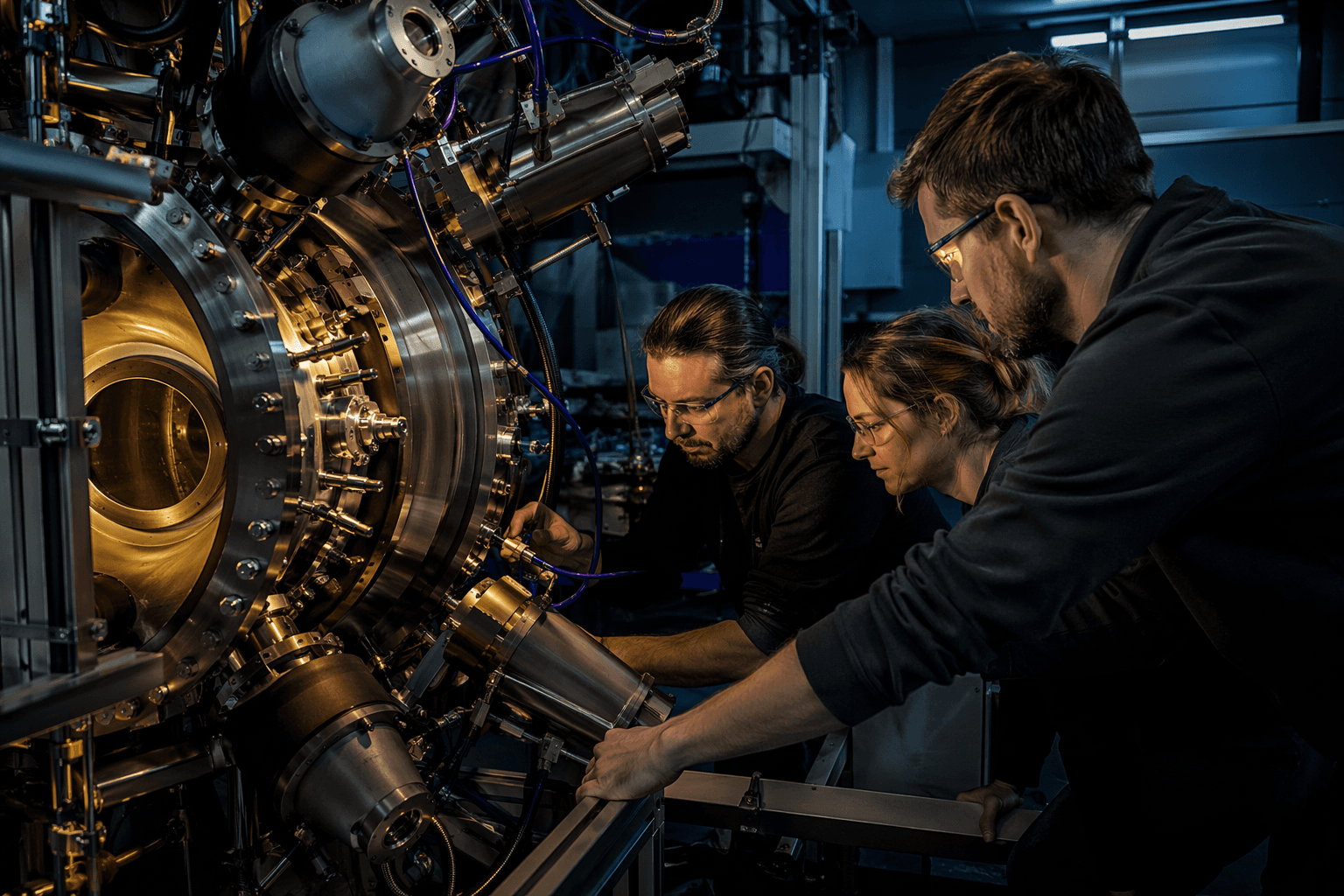
Redmer and Kraus have framed the work as a foundation for solving fusion’s core problems by understanding matter under extreme conditions. In practical terms, that means better models for how fuel, targets and compressed material behave when temperature and pressure spike far beyond conventional reactor conditions. It is also why the initiative reaches beyond power generation: the same physics underpins questions in astrophysics and the study of matter in extreme environments.
The political scaffolding behind HEDI has been in place for nearly two years. On August 1, 2024, the minister-presidents of Mecklenburg-Western Pomerania and Saxony signed a declaration of intent that paved the way for the collaboration. The June launch brought that plan into public view in the presence of Mecklenburg-Western Pomerania Minister-President Manuela Schwesig and Saxony Minister-President Michael Kretschmer, alongside representatives from politics, academia and industry.
The buildout is already tangible in Rostock. HZDR is establishing its Institute for High Energy Density Physics there, in direct neighborhood to the University of Rostock’s Life, Light & Matter area, with funding split 90 percent from the German federal government and 10 percent from the Free State of Saxony. The federal government has also identified fusion as a strategic priority in its High-Tech Agenda Germany, a policy signal that gives HEDI a clearer lane than a typical academic partnership.
For fusion watchers, the launch matters less than the next year of work. HEDI’s credibility will rest on whether the teams already assembled in Rostock can keep generating projects, staffing and experimental results that move the field closer to better target design, better plasma models and, eventually, more serious reactor concepts.
This article was produced by Prism’s automated news system from verified source data, official records, and press releases, then run through automated quality and moderation checks before publishing. The system is built and supervised by the people who set the standards it runs under. Read our full AI policy.
Know something we missed? Have a correction or additional information?
Submit a Tip_64496_89439.jpg&w=1920&q=75)