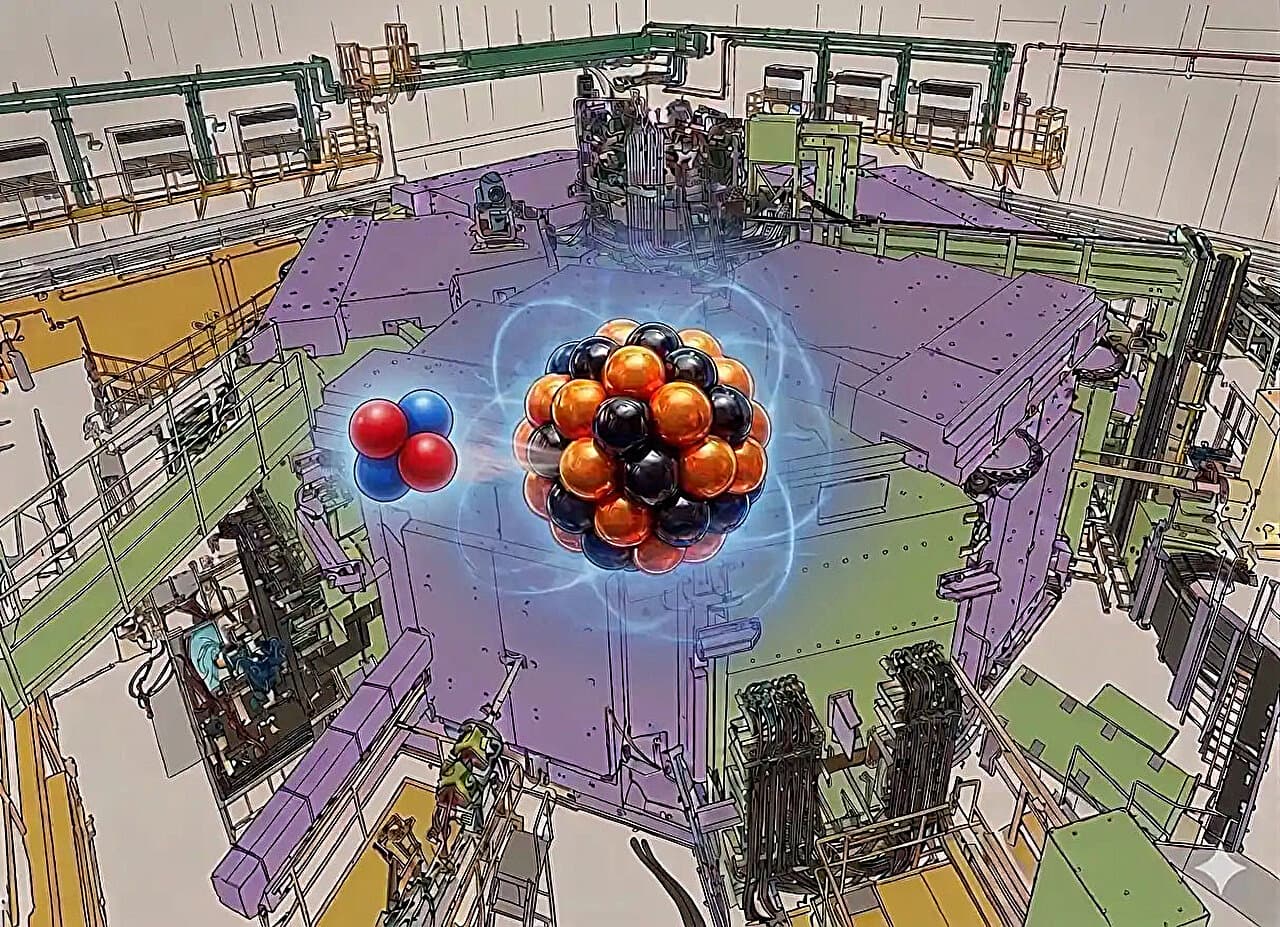
Taipingling 2 reaches first criticality in Guangdong nuclear buildout
Taipingling 2 hit first criticality at 00:22 on June 25 after fuel loading and licence approval. The 1,116 MWe Hualong One is now in the final commissioning run.
_64496_89439.jpg&w=1920&q=75)
Taipingling Unit 2 reached first criticality at 00:22 local time on June 25, starting its first sustained chain reaction and moving the 1,116 MWe net pressurised-water reactor into the most sensitive part of commissioning. The milestone followed a formal signoff on the first criticality control point at 09:45 on June 24, after China’s National Nuclear Safety Administration issued a 40-year operating licence for the unit on April 30 and the first core loading of 177 fuel assemblies was completed on May 3.
For China General Nuclear, the step turns Taipingling from a construction site into a growing operating complex. Unit 1 entered commercial operation on April 19 after 168-hour trial operation, following first criticality on February 3 and grid connection on February 13. That sequence gives Taipingling a quick rhythm: licence, fuel, criticality, grid, commercial operation. Unit 2 is now following the same path, and the pace is the point. In a sector where commissioning can drag on for years, Taipingling has been moving from one hard operational milestone to the next in rapid succession.
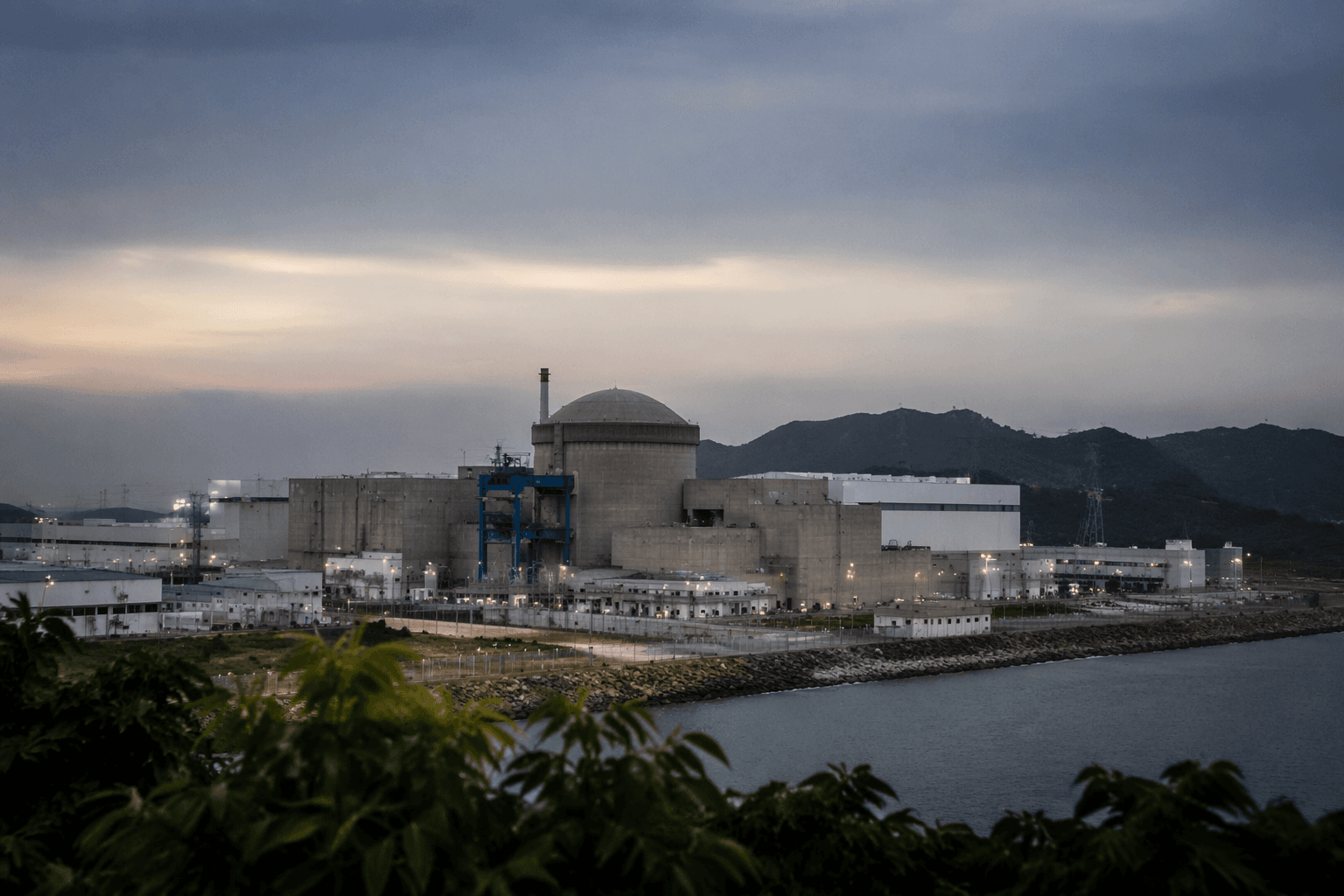
The site in Huangbu Town, Huidong County, Huizhou, Guangdong province is CGN’s flagship Hualong One batch-build project in the Guangdong-Hong Kong-Macao Greater Bay Area. The International Atomic Energy Agency’s PRIS database lists Taipingling-2 as a PWR HPR1000 unit with a design net capacity of 1,116 MW, and its first-criticality field had not yet been updated when the database was last refreshed. That lag underlines how fresh the milestone is. CGN says Taipingling was originally planned for AP1000 reactors before the site switched to the domestically developed Hualong One design.
The project is only partway through its full buildout. The second phase, units 3 and 4, was approved by China’s State Council on December 29, 2023. Construction on Unit 3 began on June 10, 2025, when first safety-related concrete was poured for the reactor building, and Unit 4 has also started moving ahead. The first two units began construction in 2019 and 2020, and CGN expects the full six-unit site to generate more than 55 billion kWh a year, while avoiding about 16.65 million tonnes of standard coal use and 50.82 million tonnes of carbon dioxide emissions annually.
Taipingling 2 has now crossed the point where the reactor is no longer just assembled hardware. The next steps will test whether the unit can hold that new critical state, complete the remaining commissioning work, and move toward grid connection and commercial operation just as Unit 1 did in the spring.
This article was produced by Prism’s automated news system from verified source data, official records, and press releases, then run through automated quality and moderation checks before publishing. The system is built and supervised by the people who set the standards it runs under. Read our full AI policy.
Know something we missed? Have a correction or additional information?
Submit a Tip