Helion wins first regulatory licenses for fusion power plant in Washington
Helion got Washington licenses for Orion, but the milestone is still a permitting gate, not delivered electricity, and the company still must prove the full commercial system.
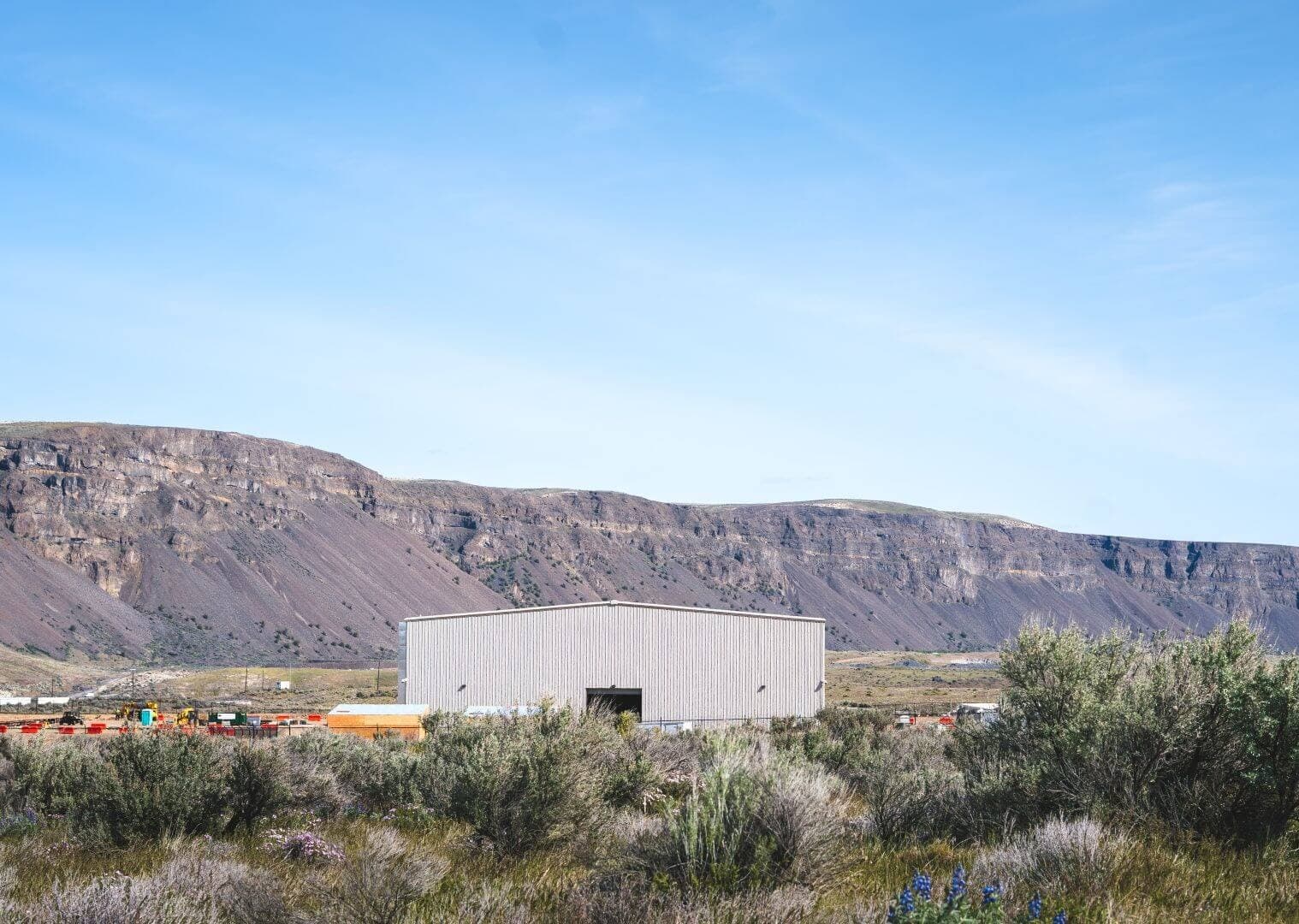
Helion said it secured the two state licenses it needed to keep pushing its Orion fusion plant in Malaga, Washington, a regulatory milestone that clears a legal path but not yet a watt to the grid. The company received a Radioactive Materials License and a Radioactive Air Emissions License from the Washington State Department of Health, and said those approvals make it the first company in the world to win the licenses required to build and operate a fusion power plant.
Those permits matter because they are not a blanket endorsement of fusion as a finished technology. Helion said the licenses confirm it has the facilities, trained staff and safety programs in place for Orion, which the company describes as the world’s first fusion power plant. They also let Helion continue building at the Malaga site, where construction of support buildings began last July, the assembly and office building is now complete, and the company said it can move ahead with the generator building.

The regulatory route itself is the bigger precedent. Helion pointed to a federal framework in which the U.S. Nuclear Regulatory Commission chose to regulate fusion under a byproduct-material model rather than treating it like a fission reactor, and Congress codified that approach in the ADVANCE Act of 2024. Washington then reinforced the pathway with state laws in 2024 and 2025 that clarified how fusion plants can be permitted and deployed. That combination is what made the Orion licenses possible, and it is likely to be watched closely by every developer trying to turn fusion from a lab machine into licensed infrastructure.
Even with that paperwork in hand, Helion still has the hard part ahead. Its pulsed system is designed to stay compact, recover electricity directly instead of through steam turbines, and run on deuterium and helium-3, a configuration meant to shrink the plant and improve efficiency. But the company still has to prove the full commercial chain, not just plasma physics, before Orion becomes an operating power station rather than a well-advanced construction site. Helion’s latest milestone is real, but for now it is the kind of first that opens a gate more than it lights a city.
This article was produced by Prism’s automated news system from verified source data, official records, and press releases, then run through automated quality and moderation checks before publishing. The system is built and supervised by the people who set the standards it runs under. Read our full AI policy.
Did this article answer your question?