IAEA, Japan train Fukushima emergency teams on communication and recovery
More than 100,000 people were evacuated after Fukushima. Now Japan and the IAEA are drilling teams in the same zone on public communication, monitoring and recovery.
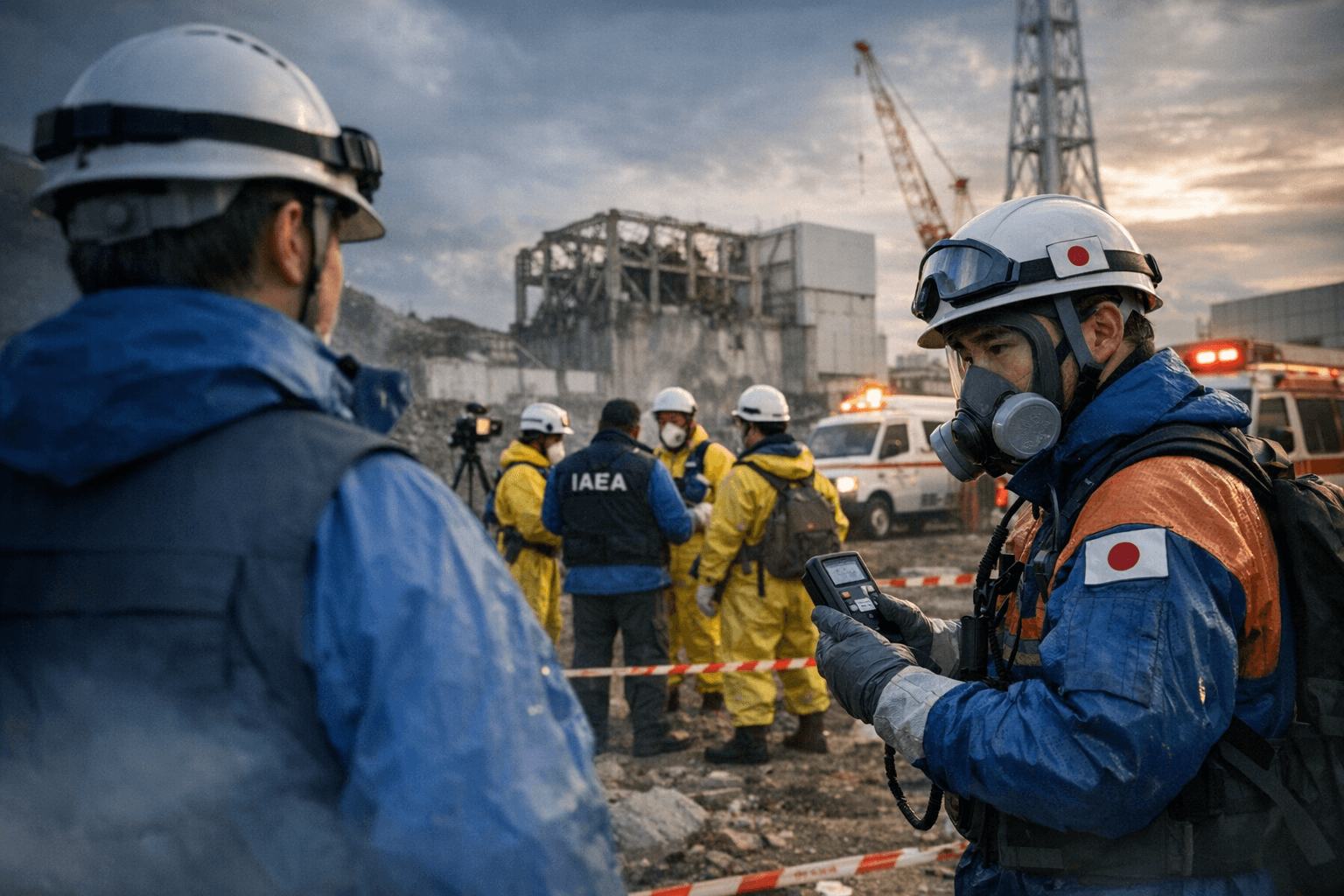
Fukushima is no longer just a warning sign for the nuclear industry. Japan and the International Atomic Energy Agency have turned the accident site into a working training ground, using two recent workshops to drill emergency teams on communication, monitoring and recovery in the same prefecture that was battered by the 2011 disaster.
The IAEA Response and Assistance Network Capacity Building Centre in Fukushima hosted the events, both funded by Japan’s Ministry of Foreign Affairs as part of Japan’s support to Ukraine. One workshop ran from 2 to 6 March and focused on IAEA safety standards for public communication during nuclear or radiological emergencies. Participants went through expert lectures, practical exercises and visits to the Fukushima Daiichi Nuclear Power Station and the communication building at the Fukushima Prefectural Environmental Creation Centre.
A second workshop took place from 20 to 24 October 2025 and shifted from messaging to field readiness. That training centered on emergency preparedness and response, with exercises in currently uninhabited evacuated areas left from the 2011 TEPCO Fukushima Daiichi accident. The program also covered the environmental characteristics of radioactive releases, public protection during radiological emergencies, radiological monitoring and gamma dose-rate measurements, the kind of skills that decide whether responders can move from theory to action when a plant emergency unfolds.
The broader message is that Fukushima has become part of the IAEA’s operational safety toolkit. The agency said the work fits within its Incident and Emergency System and its push to build capacity for Member States, a drive that grew out of the Action Plan on Nuclear Safety unanimously endorsed in September 2011. Practical arrangements between Fukushima Prefecture and the IAEA were signed in 2012 and 2013, and the partnership has since been used to connect local recovery work with international preparedness.
That matters because Fukushima’s hardest lesson was never only about reactor damage. It was about evacuation, communication and trust, after more than 100,000 people were evacuated as a preventive measure following the 11 March 2011 earthquake and tsunami. The IAEA has kept stressing that transparency and stakeholder confidence depend on monitoring, regulatory action and public communication, including in food safety. The unresolved task is the same one that followed the accident from the start: keeping the public informed, protected and confident long after the immediate emergency has passed.
This article was produced by Prism’s automated news system from verified source data, official records, and press releases, then run through automated quality and moderation checks before publishing. The system is built and supervised by the people who set the standards it runs under. Read our full AI policy.
Did this article answer your question?