TEPCO’s Kashiwazaki-Kariwa 6 returns to commercial operation after Fukushima pause
TEPCO put Kashiwazaki-Kariwa 6 back into commercial service, the company’s first reactor restart since Fukushima. The 1,356 MWe unit now becomes a test of Japan’s slow nuclear comeback.
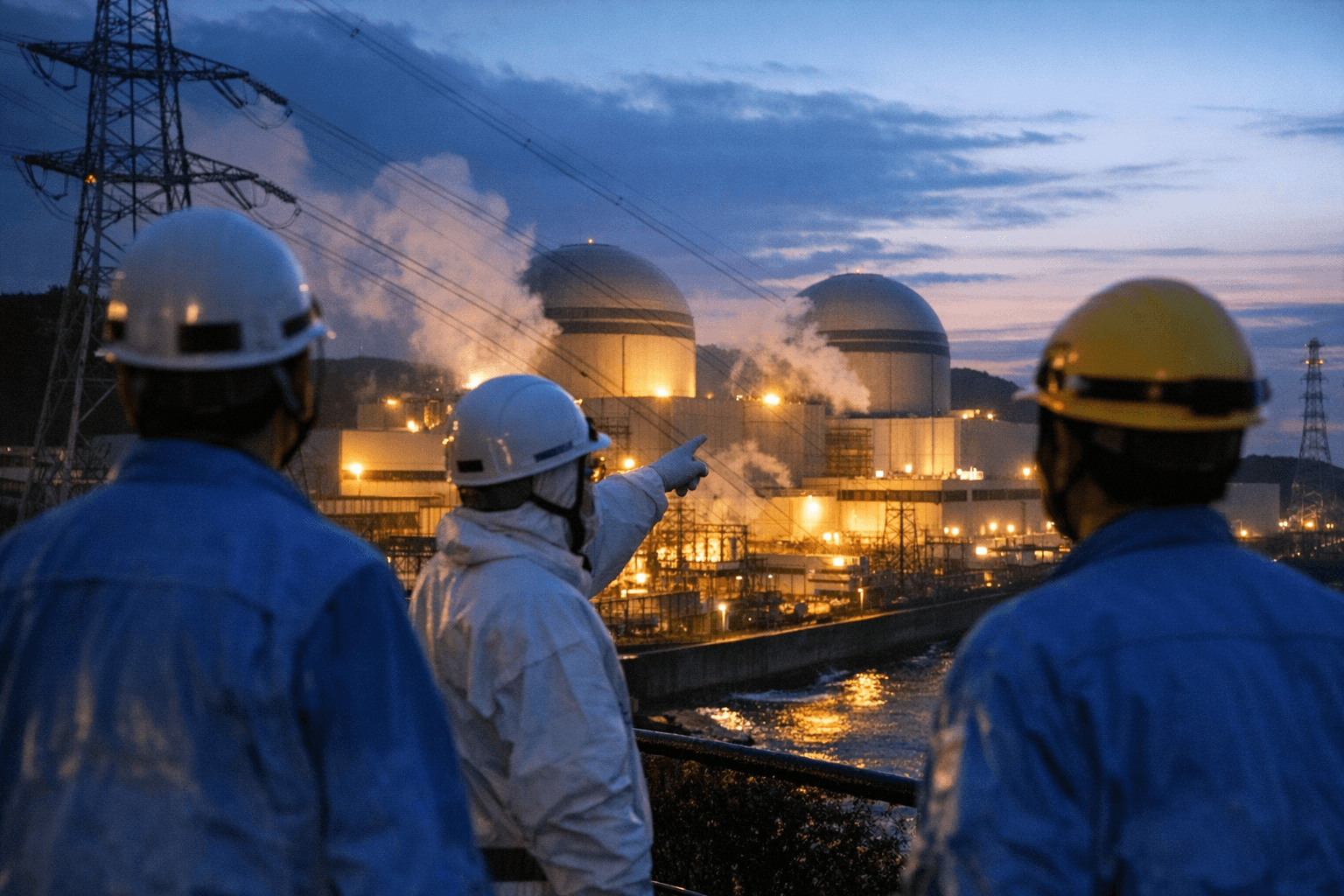
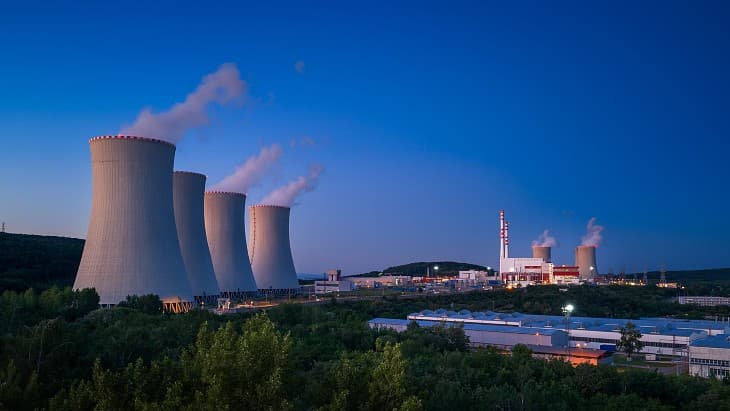
Kashiwazaki-Kariwa Unit 6 is back in commercial operation, and for Tokyo Electric Power Company Holdings, Inc. it is more than a routine restart. The 1,356 MWe advanced boiling water reactor in Niigata Prefecture became the first TEPCO-owned reactor to return to commercial service since the Fukushima Daiichi accident, with the Nuclear Regulation Authority issuing the certificates TEPCO needed to resume generation at 4:00 p.m. local time on April 16.
The reactor had been offline since March 2012, giving the restart an unusual weight even by Japan’s cautious nuclear standards. TEPCO had already pushed Unit 6 through a stop-start path to this point: the first restart came on January 21, then stopped the next day after an alarm sounded in the control rod operation monitoring system. TEPCO later changed the alarm setting, restarted the unit again in February after replacing parts, took it offline for inspections, and then shut it down again in mid-March after finding a damaged electric conductor.
The final hurdle came on April 16, when TEPCO conducted the comprehensive load performance test that marks the last step before commercial operation. Japan Atomic Industrial Forum said that test began at 7:00 a.m., and the unit entered commercial operation shortly after 4:00 p.m. once the NRA had issued a pre-operational confirmation certificate and a certificate of passing for the pre-operational inspection. That sequence matters in Japan, where nuclear restarts have been measured not in headlines but in certificates, inspections, and a long trail of local and national approvals.
The return carries real financial and system-level consequences. TEPCO has said Unit 6 is expected to improve its balance sheet by about 100 billion yen a year. Japanese reporting also said the reactor could help steady electricity supply to the Tokyo metropolitan area this summer, when air-conditioning demand rises and fuel procurement concerns linger. In a country still exposed to imported fuel prices, that makes a single reactor’s return a supply issue, a balance-sheet event, and a reminder of how much slack TEPCO lost after 2011.
The politics around Kashiwazaki-Kariwa have been just as important as the engineering. Niigata Governor Hideyo Hanazumi approved the restart of Units 6 and 7 in November 2025, giving TEPCO the local backing it needed to keep moving. The site itself was not damaged by the 2011 earthquake and tsunami, but it did undergo earthquake-resistance improvements while units were offline. With Unit 6 now back in the commercial fleet, the next question is how far TEPCO can carry that momentum toward Unit 7 and beyond.
This article was produced by Prism’s automated news system from verified source data, official records, and press releases, then run through automated quality and moderation checks before publishing. The system is built and supervised by the people who set the standards it runs under. Read our full AI policy.
Did this article answer your question?