Bruce Power, SaskPower sign deal to advance Saskatchewan nuclear plans
Bruce Power will give SaskPower a real-world playbook on licensing, construction and operations as Saskatchewan narrows two Estevan SMR sites and weighs larger reactors.
_56309.jpg&w=1920&q=75)
Bruce Power and SaskPower signed a memorandum of understanding that turns Saskatchewan’s nuclear talk into a more practical build-out exercise. The deal gives SaskPower access to Bruce Power’s experience in nuclear generation, project development and long-term reactor operations at a time when the province is narrowing reactor options, studying site choices near Estevan and deciding how quickly it wants to move from planning to deployment.
That timing matters. Saskatchewan released its Saskatchewan First Energy Security Strategy and Supply Plan on October 20, 2025, saying it was committed to a nuclear future using Saskatchewan uranium and would keep considering large-scale reactors and advanced SMRs. SaskPower then said on January 28, 2026, that it would formally evaluate large nuclear technologies in parallel with its SMR project, warning that a large reactor would take at least 15 to 20 years to bring online. In other words, the learning curve starts now, not after a site is chosen.
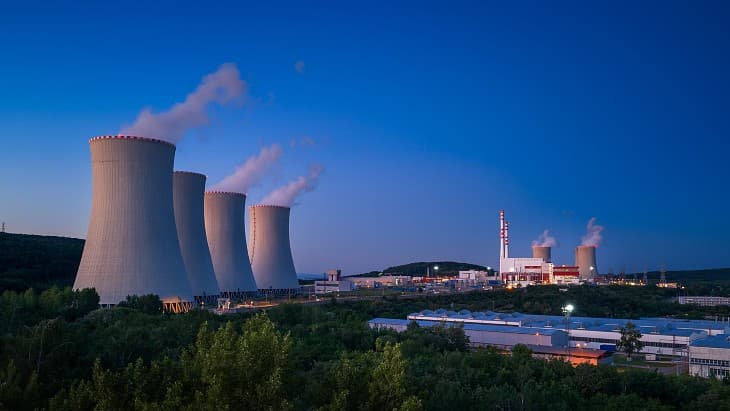
Bruce Power is a useful teacher because it has already lived through the parts of nuclear development that can sink a new program if they are handled poorly. The Canadian Nuclear Safety Commission says Bruce Power is licensed to operate the Bruce A and Bruce B Nuclear Generating Stations in Kincardine, Ontario, with eight CANDU reactors and 6,232 MW of installed capacity. The Canadian Nuclear Association calls Bruce the world’s largest operating nuclear power facility, first delivering power to the grid in 1976. Bruce Power also began refurbishing Units 3 to 8 in 2016, and Unit 6 went offline in January 2020 for refurbishment.
That is the kind of experience Saskatchewan is trying to borrow. The practical value is not ceremonial partnership language, but know-how on licensing, construction planning, outage sequencing, supply-chain coordination, workforce readiness and long-term maintenance. The CNSC’s full-time staff on site at Bruce, verifying regulatory compliance, also makes the site a live example of how reactor oversight actually works once a plant is in service.

For SaskPower, the Bruce deal lands while the province is still tightening its own map. The utility has narrowed its first potential SMR site to two options near Estevan, one at Boundary Dam Reservoir in the RM of Estevan and one at Rafferty Reservoir in the RM of Cambria, after a siting process that used more than 50 criteria. Final site selection is expected in 2026, and the regional evaluation included four committee workshops in each region with Indigenous groups, organizations and stakeholders represented.
That makes the new agreement more than a handshake. Saskatchewan is not just asking whether it wants nuclear power. It is asking who can help it build it, regulate it and run it without repeating the expensive mistakes that come with a first-of-a-kind program.
This article was produced by Prism’s automated news system from verified source data, official records, and press releases, then run through automated quality and moderation checks before publishing. The system is built and supervised by the people who set the standards it runs under. Read our full AI policy.
Did this article answer your question?