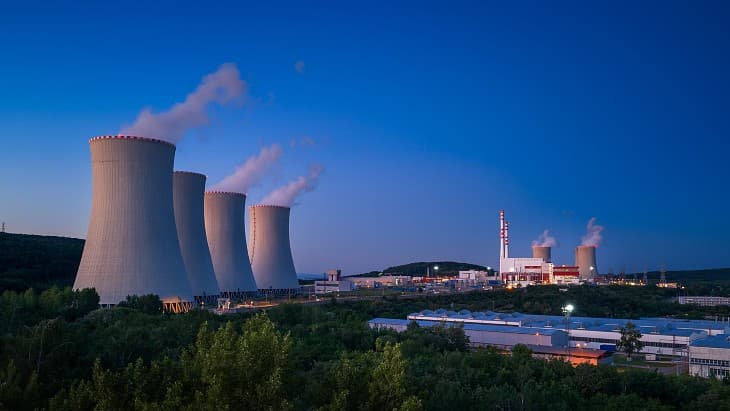
IAEA warns external power lines need tougher nuclear safeguards
External power lines have become the weak link: Zaporizhzhia lost off-site power for the 17th time, while Barakah and Bushehr showed how close conflict can get to safety systems.
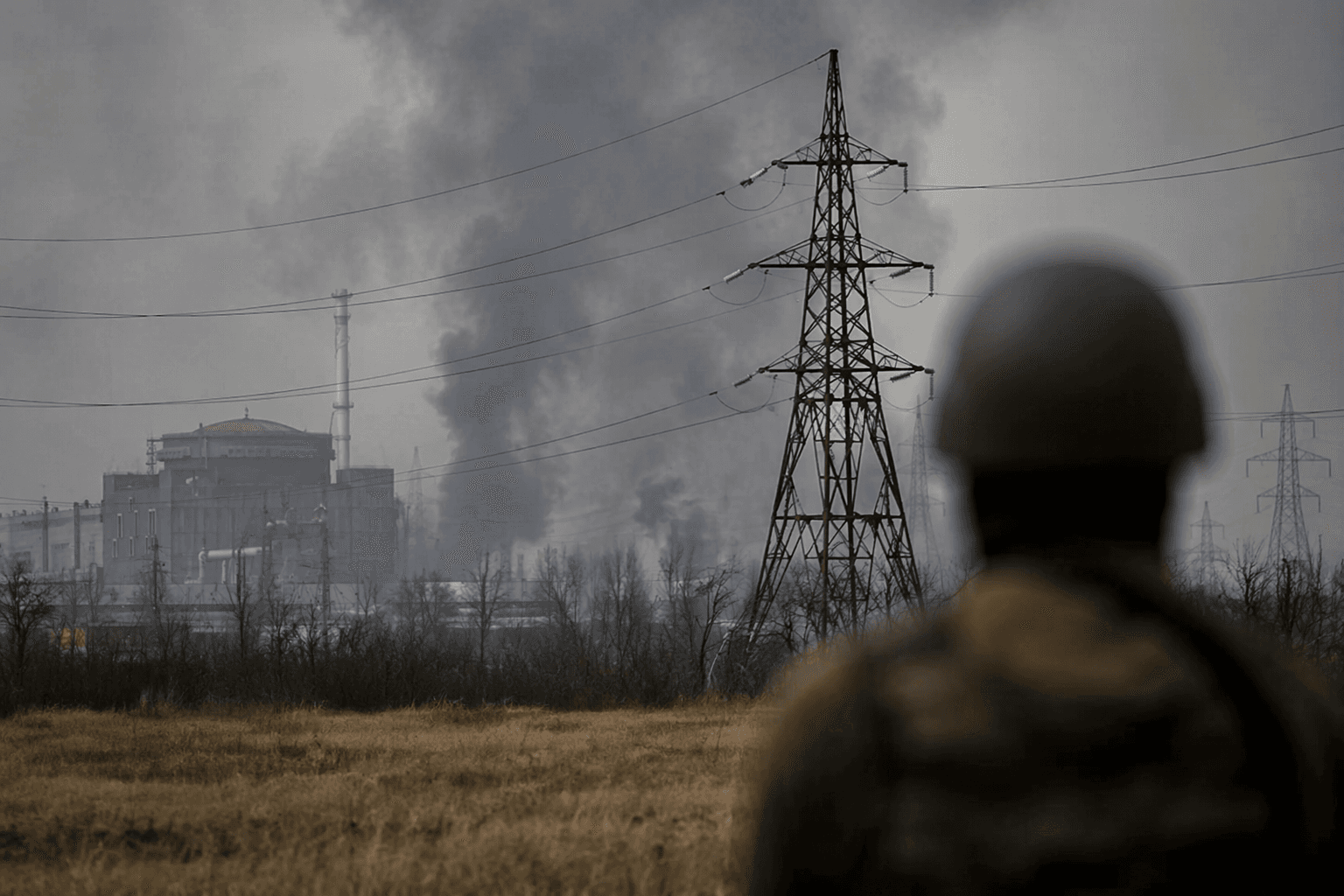
Nuclear safety is running straight through the transmission grid. Rafael Grossi said the latest attacks and military activity near reactors may justify a fresh look at the layout and resilience of off-site power lines, because a plant can stay physically intact and still be pushed into a safety crisis if outside electricity goes down.
Grossi made the case at a June 5 briefing in Vienna, saying safety standards should stay under constant review without triggering a wholesale overhaul. His emphasis was on the layers that keep a reactor stable under stress: backup power, emergency preparedness, response training, and the ability to keep cooling and control systems running when the grid is hit.

The most visible stress test is Zaporizhzhia Nuclear Power Plant in Ukraine. The IAEA was helping broker a localized ceasefire so repairs could proceed on the 750 kV Dniprovska line, which had been disconnected for more than two months. The plant had just suffered its 17th loss of external power, and the agency has repeatedly warned that off-site electricity is essential for reactor cooling and other safety functions. In earlier updates, the IAEA said the site had four 750 kV lines and six 330 kV lines before the war, but the system has been pared back so far that even one line failure can leave the plant leaning on backup systems.
That dependence is not theoretical. In September 2025, the IAEA described Zaporizhzhia’s loss of off-site power as the longest such event during the war, with the plant running on emergency diesel generators for about 30 days until the Dniprovska line was restored. IAEA updates later noted the reconnection of the 330 kV Ferosplavna-1 line as another important step, but by March 24, 2026, the main 750 kV Dniprovska line was again disconnected and the station was left on its sole backup external line.
The same vulnerability showed up at Barakah Nuclear Power Plant in the United Arab Emirates. On May 17, a drone incident damaged an electrical generator outside the inner perimeter, and Unit 3 temporarily relied on emergency diesel generators until off-site power was restored. Grossi said the agency stands ready to deploy nuclear safety and security experts and keep training operators on emergency response.
Bushehr in Iran added another warning in early April 2026, when the IAEA said a projectile landed about 350 metres from the plant and a fragment killed a member of the physical protection staff. No increase in radiation levels was reported, but the message was clear: military activity can damage not just reactor buildings, but the auxiliary systems that carry the real burden when the lights go out.
The lesson from Zaporizhzhia, Barakah and Bushehr is the same. Off-site power is not a utility detail at the edge of the map. It is the first line of defense, and when conflict reaches the fence line, the whole safety case depends on how well that line holds.
This article was produced by Prism’s automated news system from verified source data, official records, and press releases, then run through automated quality and moderation checks before publishing. The system is built and supervised by the people who set the standards it runs under. Read our full AI policy.
Did this article answer your question?