India installs reactor vessel at Kudankulam Unit 5 milestone
The 320-tonne reactor vessel is now in place at Kudankulam Unit 5, shifting the VVER-1000 from civil work to the equipment phase on the road to fuel loading.
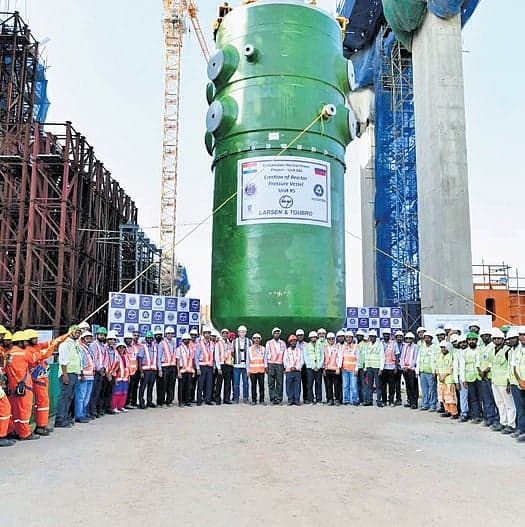
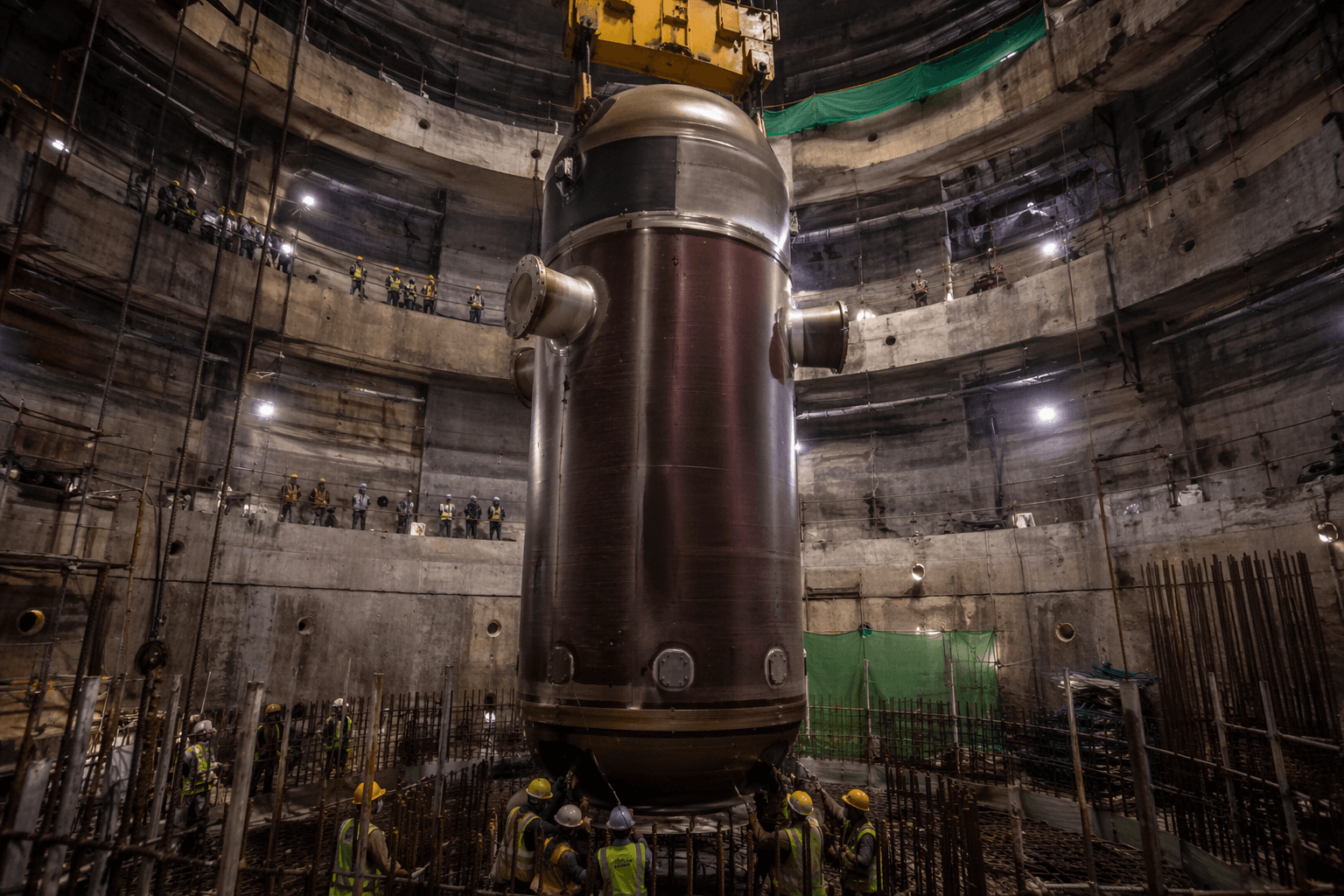
A 320-tonne reactor pressure vessel is now sitting in Kudankulam Unit 5, and that changes the project in a way concrete and steel alone never quite do. Nuclear Power Corporation of India Limited said the vessel was lifted into the reactor building with a heavy-lift crane and set by the open-top method, the point at which a unit stops being a shell and starts becoming a reactor.
That placement matters because the pressure vessel is the core physical container for the reactor. Once it is installed, the build moves into the nuclear steam supply system equipment phase, which means the project is shifting from civil construction toward the long sequence of installation, testing, and commissioning steps that eventually lead to fuel loading and startup. NPCIL said the work was done in close coordination with Atomstroyexport, and the installation followed clearance from the Atomic Energy Regulatory Board for major equipment erection at Kudankulam Units 5 and 6.
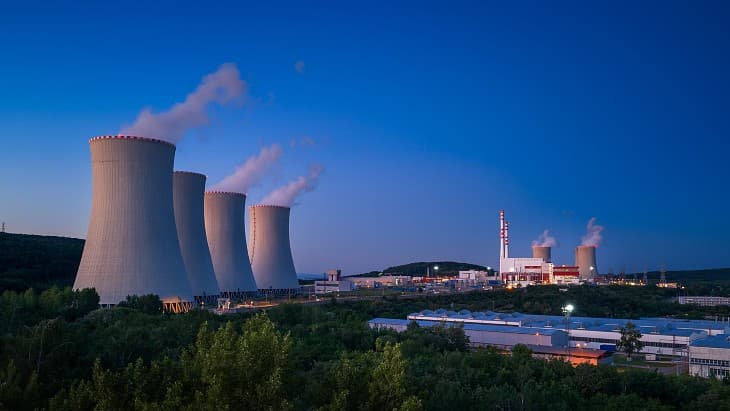
Unit 5 is part of a larger six-unit site in Tamil Nadu planned for 6,000 MW of total installed capacity. Two units are already on the grid. NPCIL’s operating data shows Unit 1 entered commercial operation on December 31, 2014, Unit 2 followed on March 31, 2017, and the pair had generated 121,970 million units of electricity as of June 2026. Units 3 and 4 are already under construction, while Units 5 and 6 are at different stages of development, making the latest vessel lift the clearest sign yet that Unit 5 has crossed a major hardware threshold.
The Kudankulam build has been a long one. The Department of Atomic Energy says the original inter-governmental agreement between India and the then USSR was signed on November 20, 1988, with a supplemental agreement in June 1998. Construction in Tamil Nadu began in 2000, and the project has endured delays and local opposition, including objections from nearby residents in the early 1990s and again during the 2011-12 protests.
That is why a vessel lift like this lands with such force in reactor circles. It is not just another construction update. It is the moment the heart of Unit 5 is inside the building, fixed in place, and the path toward commissioning becomes visibly, physically irreversible.
This article was produced by Prism’s automated news system from verified source data, official records, and press releases, then run through automated quality and moderation checks before publishing. The system is built and supervised by the people who set the standards it runs under. Read our full AI policy.
Did this article answer your question?