India restarts Tarapur 1 and 2 after major refurbishment
Tarapur’s oldest reactors are back after a major overhaul, with Unit 2 cleared for another 10 years after a full piping and safety-system refresh.
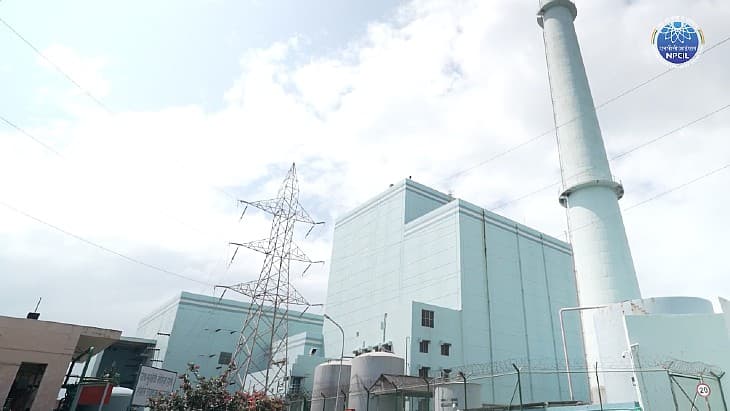
India has put both of Tarapur’s oldest operating reactors back on the grid after a major refurbishment campaign, restoring output from the country’s first commercial nuclear station and giving legacy asset life-extension a very practical win. Tarapur 1 and 2, the site’s original boiling water reactors, had been offline since 2020 for the work. Unit 1 is now running at its rated power of 160 MWe, while Unit 2 has been cleared for another 10 years of operation after the Atomic Energy Regulatory Board signed off on the restart and continued operation on May 7.
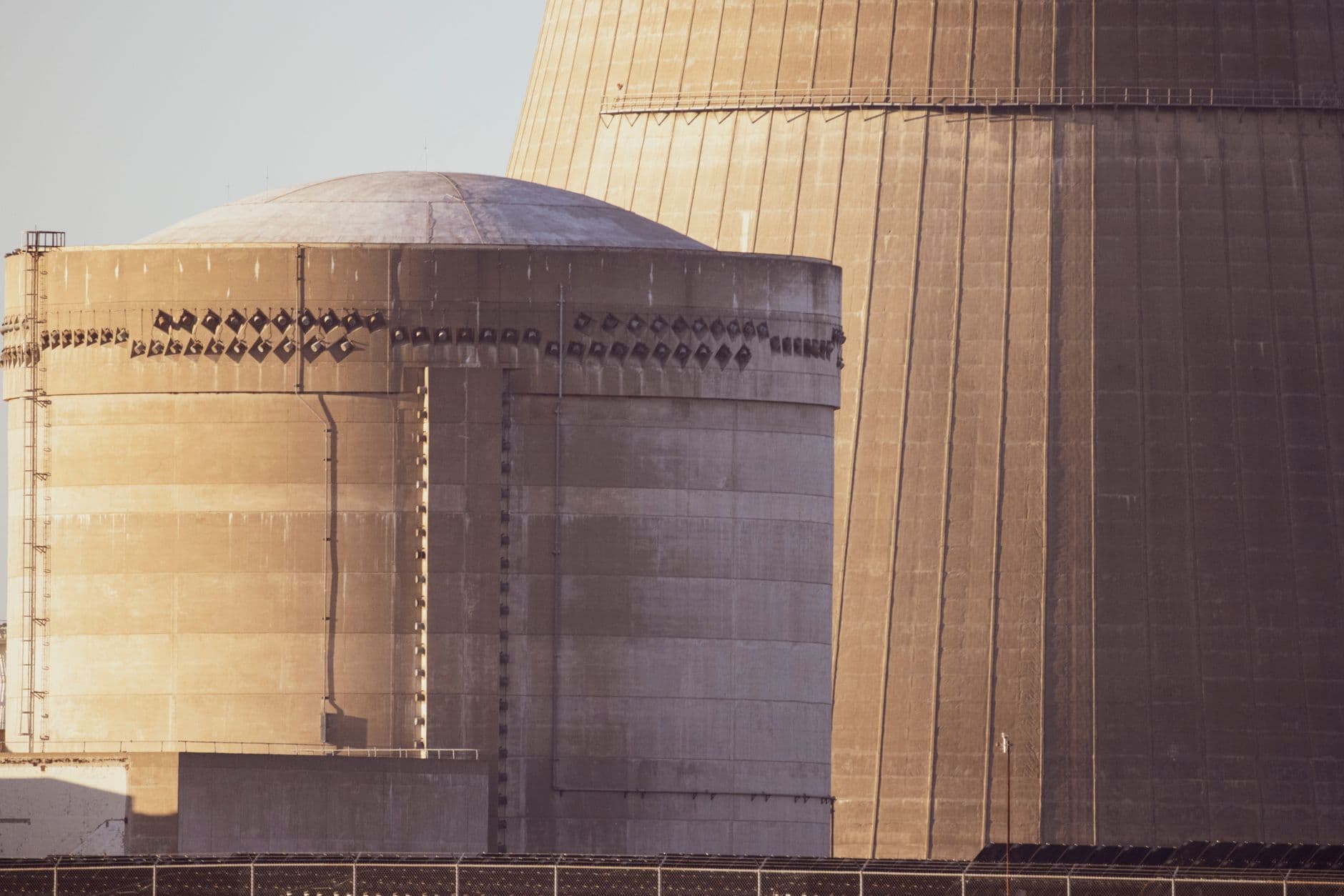
The restart is more than a ceremonial return for two 1969-vintage units that were originally rated at 200 MWe before being downrated to 160 MWe gross. The refurbishment went deep into the plant hardware. Nuclear Power Corporation of India Limited replaced the reactor coolant recirculation piping with forged piping and fittings made from advanced corrosion-resistant stainless steel, and added a reactor containment filtered venting system and an alternate cooling water system. During the extended outage, inspectors also checked ageing-sensitive components, including reactor pressure vessel welds, to judge how much operating life remained.
That review is what allowed the regulator to conclude that Unit 2 can continue safe operation under the normal maintenance and surveillance programme. The AERB’s board approved the unit for a further 10 years after reviewing the refurbishment scope, the safety upgrades, and the inspection findings. Unit 1 had already received restart permission in late December 2025 and has since returned to rated operation, making Tarapur’s comeback a two-unit restoration rather than a single-reactor milestone.
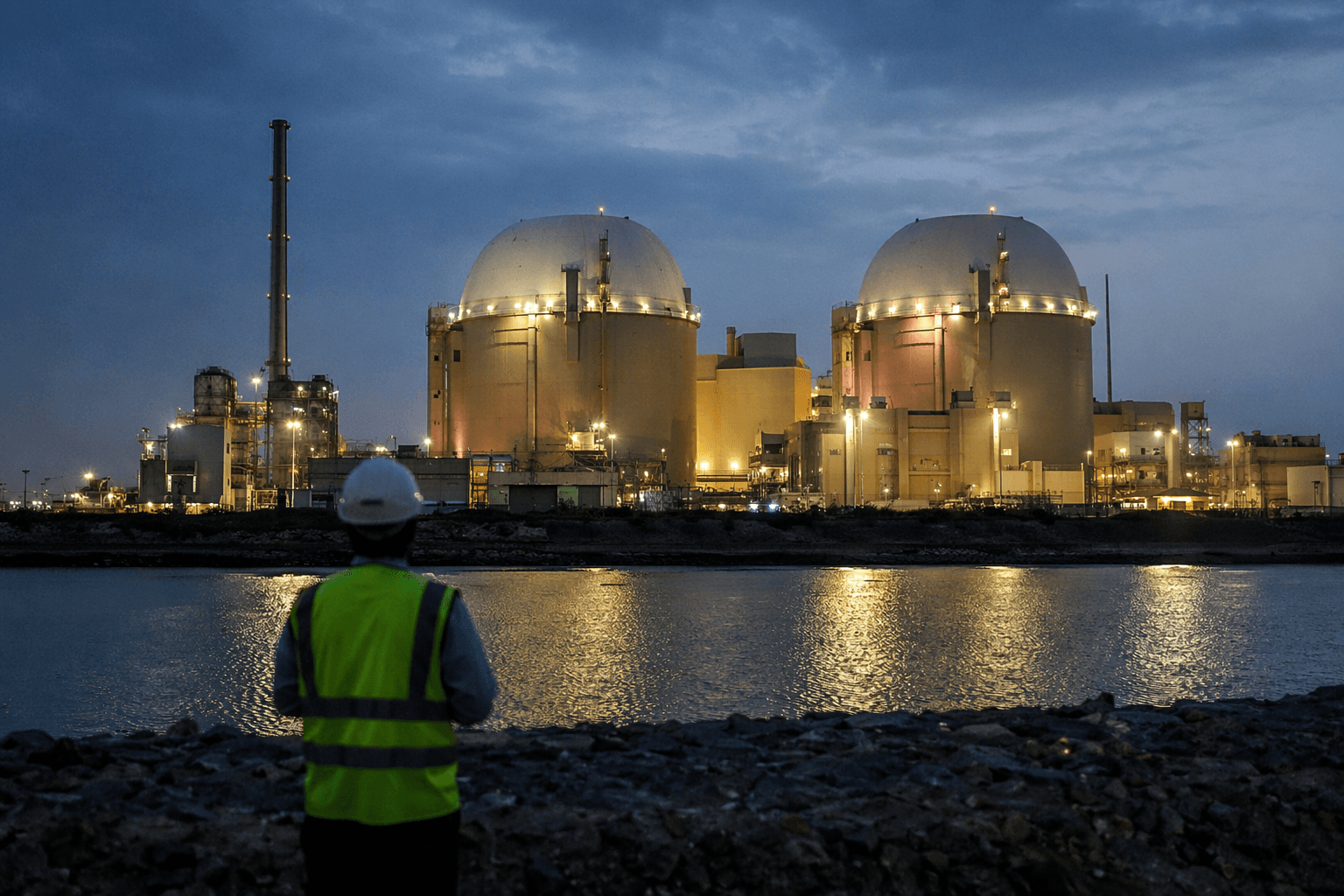
The operating data underline how much the station still matters to the grid. NPCIL lists Unit 1 at 49,379 MUs of cumulative generation and Unit 2 at 50,702 MUs. For April and May 2026, Unit 1 produced 184 MUs at a 79% capacity factor, while Unit 2 still showed 0 MUs in that reporting snapshot, reflecting the timing of its restart. Tarapur itself remains a four-unit station on the west coast of the Arabian Sea near Boisar in Palghar District, Maharashtra, with Units 3 and 4 adding 2 x 540 MWe PHWR capacity commissioned in 2005 and 2006.
For India’s nuclear fleet, the message from Tarapur is clear: refurbishment can be cheaper and faster than replacement, and a heavily worked reactor can still earn its keep when the piping, safety systems, and licensing case are all refreshed together.
This article was produced by Prism’s automated news system from verified source data, official records, and press releases, then run through automated quality and moderation checks before publishing. The system is built and supervised by the people who set the standards it runs under. Read our full AI policy.
Did this article answer your question?