Jacobs begins environmental studies for Oldbury nuclear site development
Jacobs will start the slow, visible groundwork at Oldbury: boreholes, trial pits and marine surveys across 180 hectares beside the Severn. It is a permitting milestone, not a final build decision.
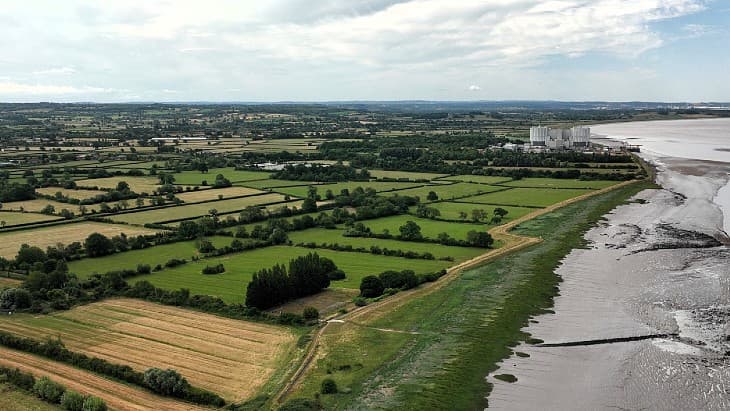
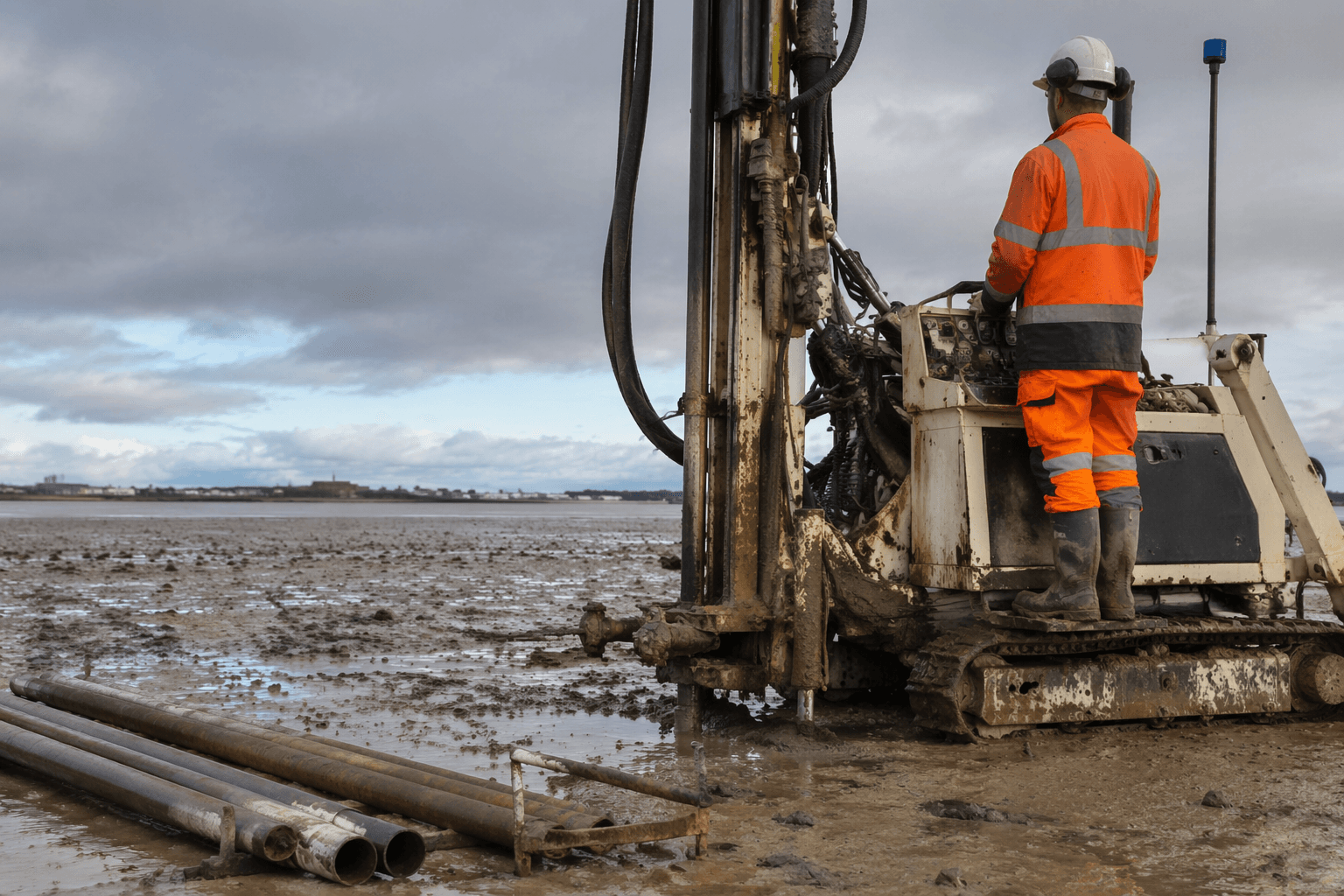
The first signs of a real nuclear comeback at Oldbury will not look dramatic. They will look like survey rigs, boreholes, trial pits and teams measuring what lies under the ground and in the water around the River Severn.
Great British Energy - Nuclear has picked Jacobs, working with AtkinsRéalis and AECOM, to carry out environmental baseline work at Oldbury-on-Severn in southwest England. The contract covers terrestrial and marine studies, environmental assessments, Habitats Regulations Assessment work and the other early tasks needed before any planning, design or permitting decision can move forward.
That matters because Oldbury is not an empty greenfield site. It is the former Magnox station on the Severn, where two units ran from 1967 until 2012. The Office for Nuclear Regulation says the station came into service in 1967, closed in 2012 and was fuel-free by 2016. The new work is aimed at the land around that legacy site, including an area of about 180 hectares north of the former power station that has already been mapped for investigation.
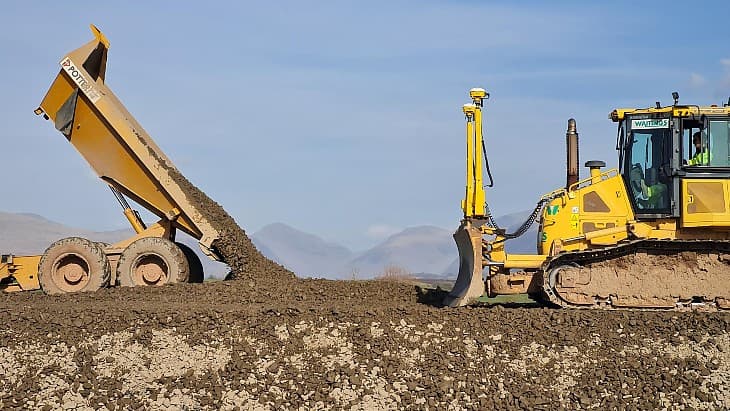
In practical terms, this is the sort of work that tells developers what they are really dealing with before anyone talks seriously about concrete and cranes. The 2025 ground-investigation planning statement for the site proposed up to 45 rotary drilled boreholes, 45 cable percussion boreholes, 75 dynamic sampling boreholes, 75 trial pits and observation pits, 75 cone penetration tests and up to eight load tests. Add archaeological surveys, marine work and baseline environmental sampling, and the picture becomes clear: this is site characterisation, not construction.
Oldbury’s location makes that process far more sensitive than a typical brownfield plot. The Severn Estuary is protected as an SSSI, SAC, SPA and Ramsar site, so Habitats Regulations Assessment will sit at the center of any future planning or consenting process. The work also builds on earlier investigation. In 2009, Oxford Archaeology South carried out archaeological evaluation tied to geotechnical work north of Oldbury Power Station.
The wider policy backdrop is just as important. On March 7, 2024, Great British Nuclear announced it was buying land for new nuclear development at Oldbury-on-Severn and Wylfa. The UK government has tied that programme to an ambition for up to 24 GW of nuclear capacity by 2050, with a mix of gigawatt-scale reactors and small modular reactors. Great British Energy - Nuclear says it is the arm’s-length body delivering that programme, starting with SMRs.
So Oldbury is moving, but it is moving in the slow, expensive way nuclear projects always do. The boreholes and habitat studies are not the finish line. They are the proof that the site is being treated as a serious reactor candidate, and the next milestones will be in planning and permitting, not on a reactor footprint yet.
Know something we missed? Have a correction or additional information?
Submit a Tip_38085.jpg&w=1920&q=75)