Kenya launches outreach after protests over planned nuclear plant
Protests in Sakwa forced Kenya’s nuclear agency to promise a broad consent campaign, as residents fight the plant’s waste, land and fishing risks.
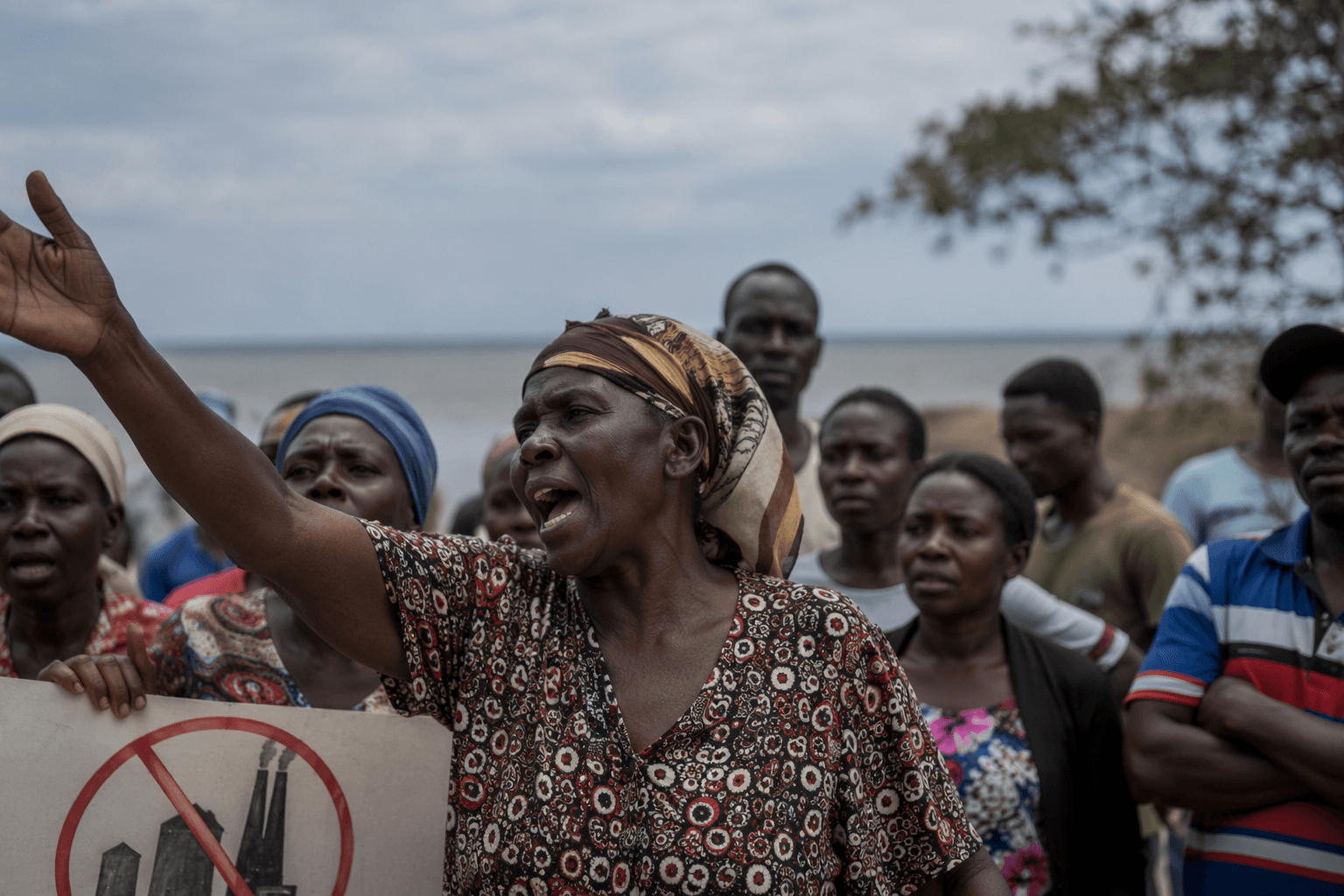
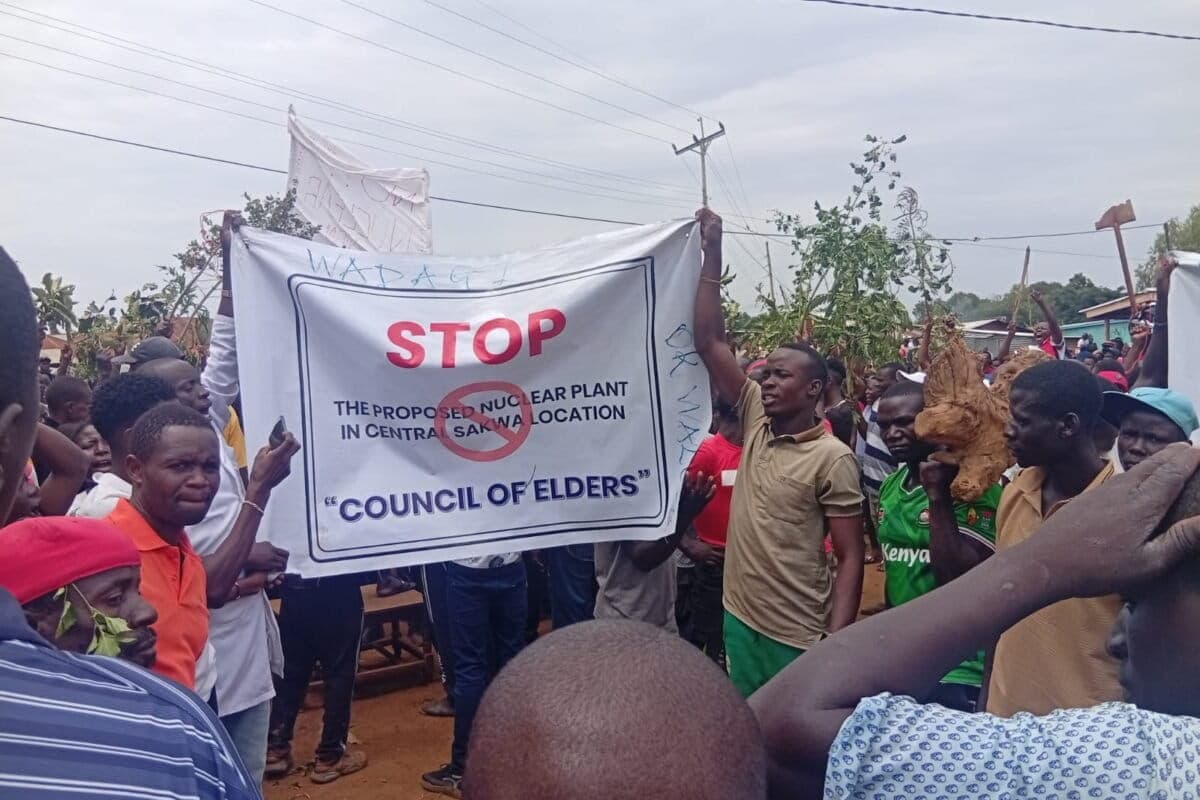
Kenya’s nuclear push hit a political wall in Sakwa when residents marched against a proposed plant near Lake Victoria, forcing the state agency behind the project to shift from planning language to damage control. The Nuclear Power and Energy Agency said it would not move ahead with any infrastructure without “broad, informed community consent,” and pledged a “robust, transparent, and multilayered educational campaign” to answer fears over safety, livelihoods and land.
The objections in Bondo Subcounty were blunt and local. Residents have raised radioactive waste, displacement, loss of ancestral land and the risk to fishing communities around Africa’s largest freshwater lake. The proposed station is a 2,000-MW plant with an estimated price tag of Sh500 billion, a scale that makes the siting fight far bigger than a routine public meeting. Earlier reporting says the project had first been rejected in Kilifi County before the government turned to Siaya, which has only sharpened the sense among opponents that the search for a host community is still unresolved.
Justus Wabuyabo, NuPEA’s chief executive, said the agency was moving from high-level planning into grassroots sensitization. The agency, established under Kenya’s Energy Act 2019, is charged with promoting and implementing the country’s nuclear power programme, and the government says Kenya is already in phase 2 of the International Atomic Energy Agency’s milestone approach. That is the stage where outreach, site questions and regulatory preparation matter as much as reactor talk, because once land is acquired and early works begin, local trust becomes harder to rebuild.
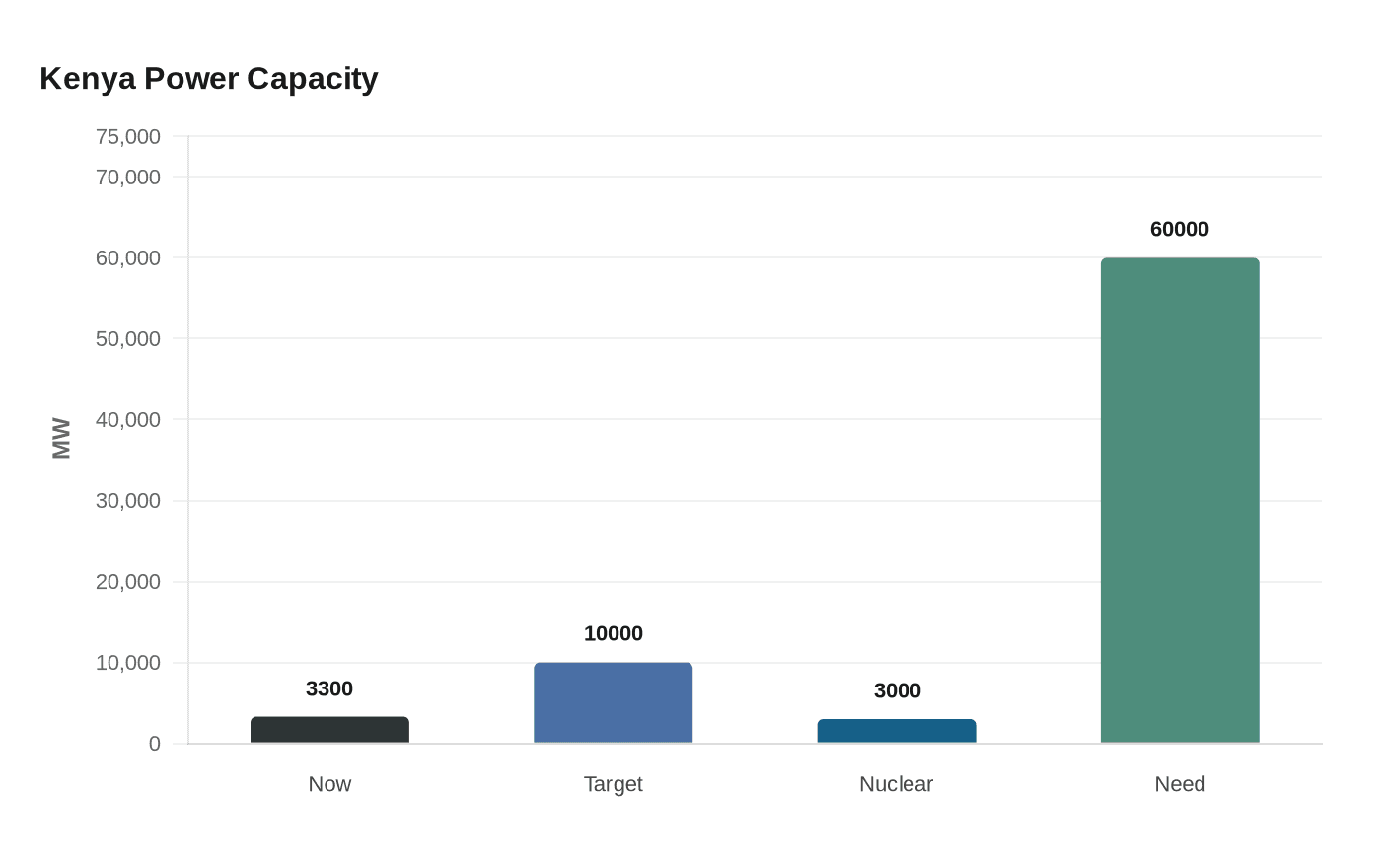
The stakes are being framed in national terms by President William Ruto and senior officials. In March, Ruto said Kenya aimed to expand capacity from 3,300 MW to 10,000 MW over the next five to seven years, with 3,000 MW expected from nuclear. He has also said construction of the first plant could begin in 2027 and commissioning could follow in 2034. NuPEA chairman Lawrence Gumbe said in April that Kenya produces about 3,000 MW now but needs at least 60,000 MW to meet Vision 2030 industrialization targets, while local reporting says peak construction could create 5,000 to 12,000 jobs.
That is the real test now: not whether Kenya can draw a reactor on paper, but whether it can win a social license in Sakwa before the project hardens into something residents feel was decided for them already. Power Shift Africa has argued that solar and other faster-to-build renewables could meet demand sooner, which only raises the pressure on officials to prove why this site, this plant and this timeline deserve the community’s consent.
This article was produced by Prism’s automated news system from verified source data, official records, and press releases, then run through automated quality and moderation checks before publishing. The system is built and supervised by the people who set the standards it runs under. Read our full AI policy.
Know something we missed? Have a correction or additional information?
Submit a Tip