Kyrgyzstan marks progress in cleanup of Soviet-era uranium sites
More than 1.4 million cubic metres of radioactive waste were moved from two Kyrgyz uranium sites, with 27 hectares reclaimed and a new 2026-2028 cleanup plan approved.
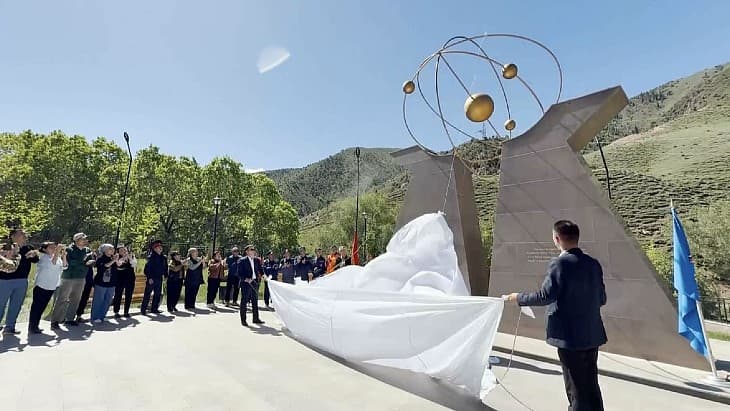
Radioactive waste that sat for decades in Kyrgyzstan’s uranium legacy sites is being moved, reshaped and locked down behind new barriers, turning an old Soviet mining burden into measurable cleanup progress. In Bishkek on May 28, officials marked the completion of the first stage of reclamation work at Min-Kush and Kadzhi-Sai and signed a protocol approving a new rehabilitation plan for contaminated sites from 2026 to 2028.
The first stage was substantial by any nuclear cleanup standard. More than 1.4 million cubic metres of tailings and contaminated material were shifted, while Rosatom-linked reporting put the amount of soil processed at more than 1.5 million cubic metres. More than 27 hectares were reclaimed, and five facilities were brought into a radiation-safe state over nine years. Min-Kush, in the Naryn region, was described as the most difficult site.

That difficulty was not just technical. Min-Kush had been affected by increased radiation levels and a contaminated water supply, and the area is prone to landslides, adding another layer of risk to any remediation design. The work included consolidating waste from smaller legacy sites into a central tailings facility and modernizing the receiving dump with multilayer protective screens and drainage systems, the kind of engineering that matters when the goal is not just to clear land but to keep contamination from moving back into soil and water.
The cleanup is part of a much wider regional problem left behind by the uranium boom that fed the Soviet nuclear complex. Central Asia supplied uranium for more than 50 years, and most mines were closed by 1995 with very little remediation done at the time. The International Atomic Energy Agency says nearly 60 abandoned uranium production sites across Kazakhstan, Kyrgyzstan, Tajikistan and Uzbekistan still pose environmental and public-health hazards, and its 2026 strategic master plan extends cooperation on remediation through 2030.
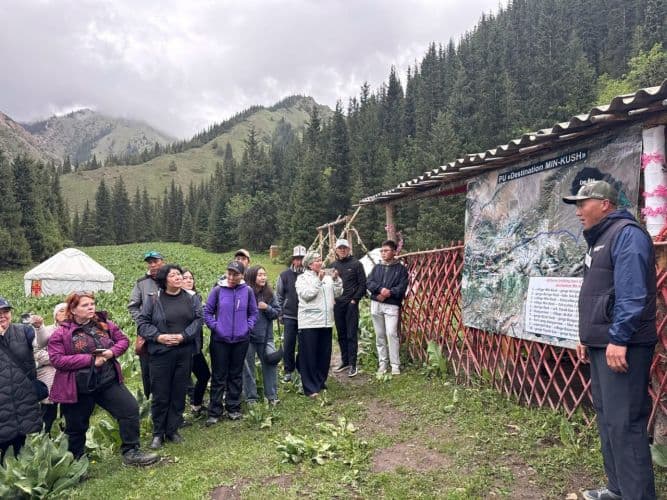
For Kyrgyzstan, the Bishkek ceremony also underlined how much of this work now depends on international financing and coordination. The European Bank for Reconstruction and Development says the Environmental Remediation Account for Central Asia, established in 2015 on the initiative of the European Union, had by 2025 completed remediation of four of the seven high-priority sites in the IAEA master plan, including Min-Kush and Shekaftar in Kyrgyzstan. The latest milestone shows that the legacy is still large, but the most dangerous piles are being steadily pulled down, covered and isolated before they can keep leaking risk into nearby communities.
This article was produced by Prism’s automated news system from verified source data, official records, and press releases, then run through automated quality and moderation checks before publishing. The system is built and supervised by the people who set the standards it runs under. Read our full AI policy.
Did this article answer your question?