LLNL captures first moments of runaway hydrogen-uranium corrosion
LLNL has finally watched hydrogen-uranium corrosion begin, frame by frame. That missing first window could sharpen how uranium hardware is handled, stored, and designed.
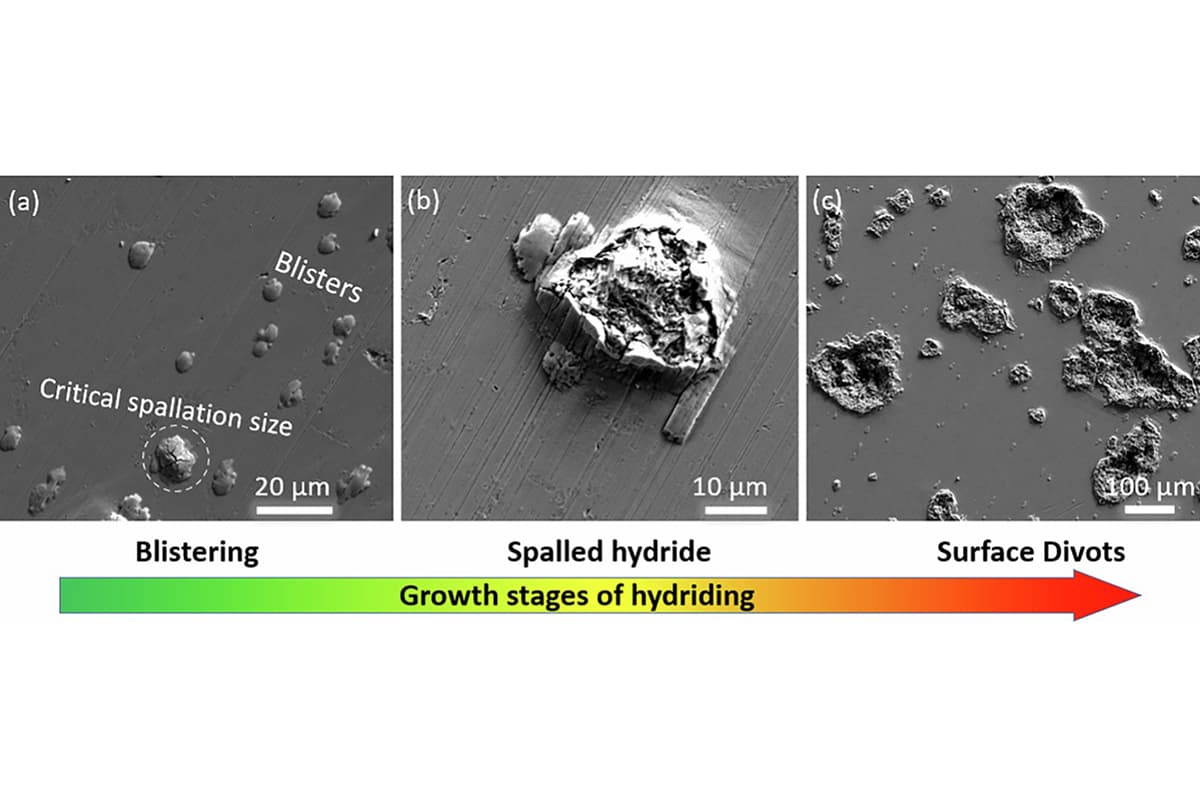
LLNL has finally caught hydrogen-uranium corrosion at the point where it starts to run away, before the familiar powdery aftermath takes over. The lab’s new paper in npj Materials Degradation, published May 27, 2026, reports the first detailed look at the beginning stages of a reaction that can turn uranium metal into a chemically reactive powder and is notoriously difficult to stop once it gets going.
The work matters because it hits three pressure points at once: fusion energy hardware, hydrogen storage systems, and nuclear fuel handling. The study focused on hydride induction time, the interval between hydrogen introduction and the nucleation of the first blister. That is the missing slice of the timeline in a reaction that has been studied for its later damage, but not for the instant when the surface first gives way. Jibril Shittu, a post-doctoral researcher in LLNL’s metallurgy and advanced microscopy group, worked with Albert Loui, Sam Mukherjee, Christopher Rietema and Matthew Juhasz on the problem. They described the progression like a geyser: hydrogen diffuses into uranium, uranium hydride forms, the hydride expands, pressure builds, tiny blisters appear, and the blisters rupture and spall off powder.
That early sequence is where the old models were weakest. Uranium hydride, or UH3, is already known in the literature as a radioactive, pyrophoric corrosion product, and earlier work had identified a thin hydride layer at the oxide-metal interface during uranium corrosion. But the early-stage kinetics and mechanism lacked a unified interpretation because the reaction was too fast, too small, and too easy to disturb. LLNL said the two standard techniques in the field were good once corrosion was underway, but essentially blind to the first events.
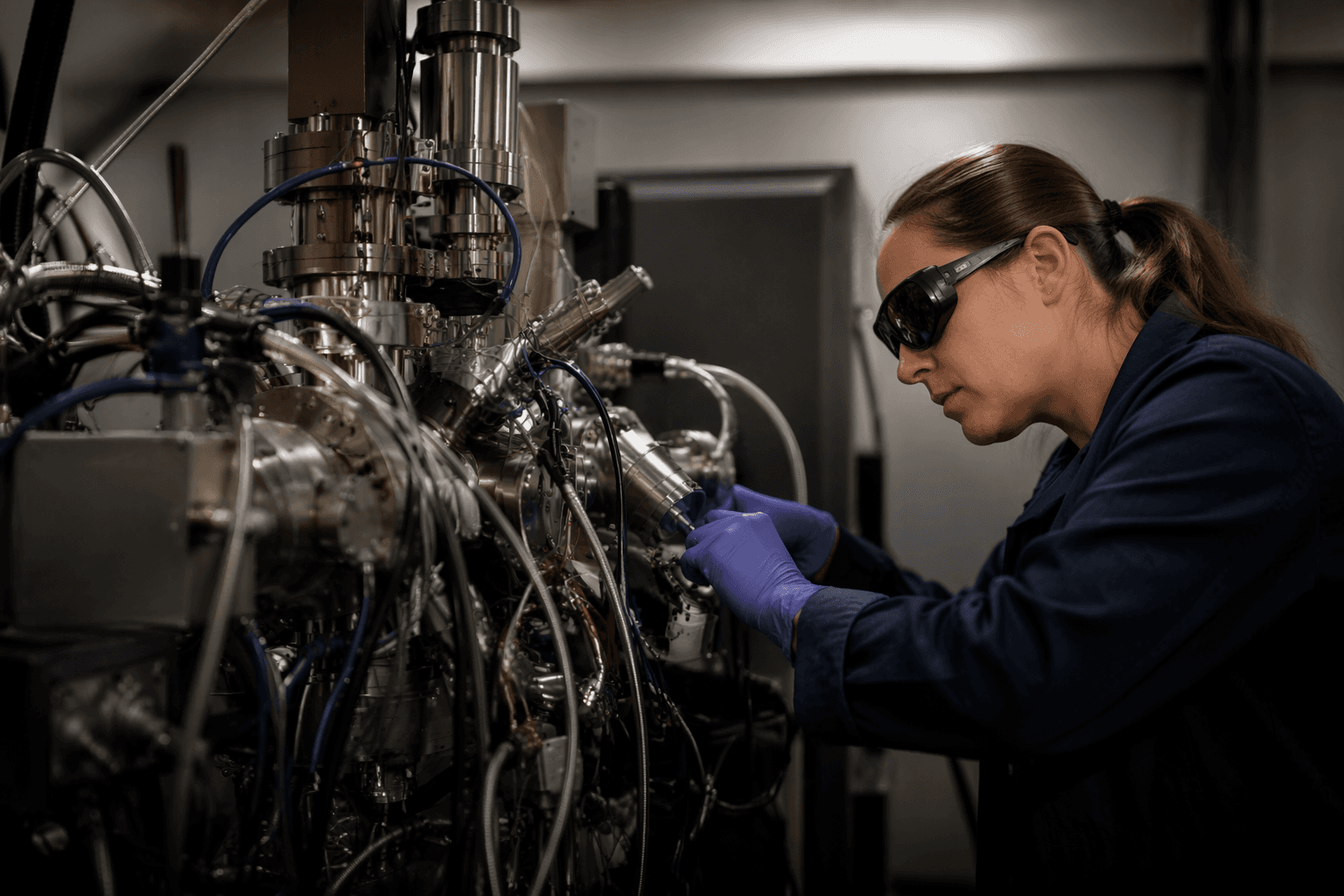
To get around that, the team used white-light interferometry, which builds a tiny topographic map by comparing reflected light with a reference beam. That let the researchers repeatedly scan the same uranium surface without contact and watch wide, shallow hydride blisters grow in place, frame by frame, without destroying them. For a reaction this violent, that kind of clean look at the first rupture point is the difference between inference and measurement.
LLNL says the payoff is better, more physically grounded models of how uranium components degrade under hydrogen exposure, which should improve safety and service life in systems that have to survive long periods of contact with reactive gas. The broader materials program folds that same degradation science into hydrogen storage, batteries, turbines, catalysts, and corrosion prevention. Now the field has something it has wanted for years: the first few moments on tape, before the surface fails and the powder starts to fly.
This article was produced by Prism’s automated news system from verified source data, official records, and press releases, then run through automated quality and moderation checks before publishing. The system is built and supervised by the people who set the standards it runs under. Read our full AI policy.
Know something we missed? Have a correction or additional information?
Submit a Tip