McKinsey says U.S. needs $170 billion to fuel nuclear expansion
McKinsey put a $105 billion to $170 billion price tag on the fuel-cycle buildout needed to back a 300 GW nuclear push by 2050.

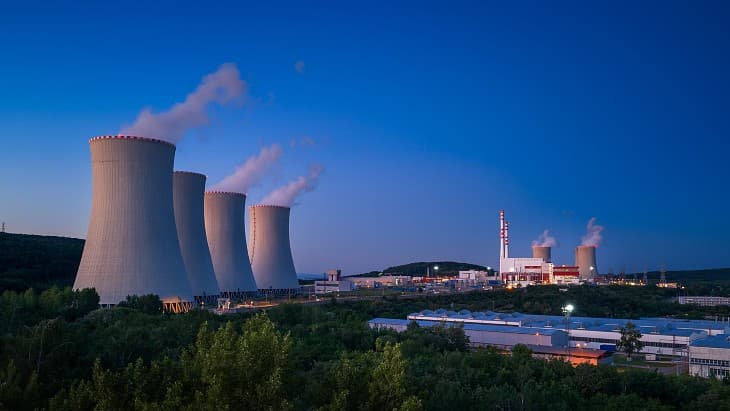
The race to 300 gigawatts starts well before a reactor ever pours concrete. McKinsey says the real bottleneck is the fuel cycle, and it has to scale in step with mining, conversion, enrichment, fabrication and spent-fuel handling if the United States wants 100% domestic fuel sourcing along with that capacity buildout.
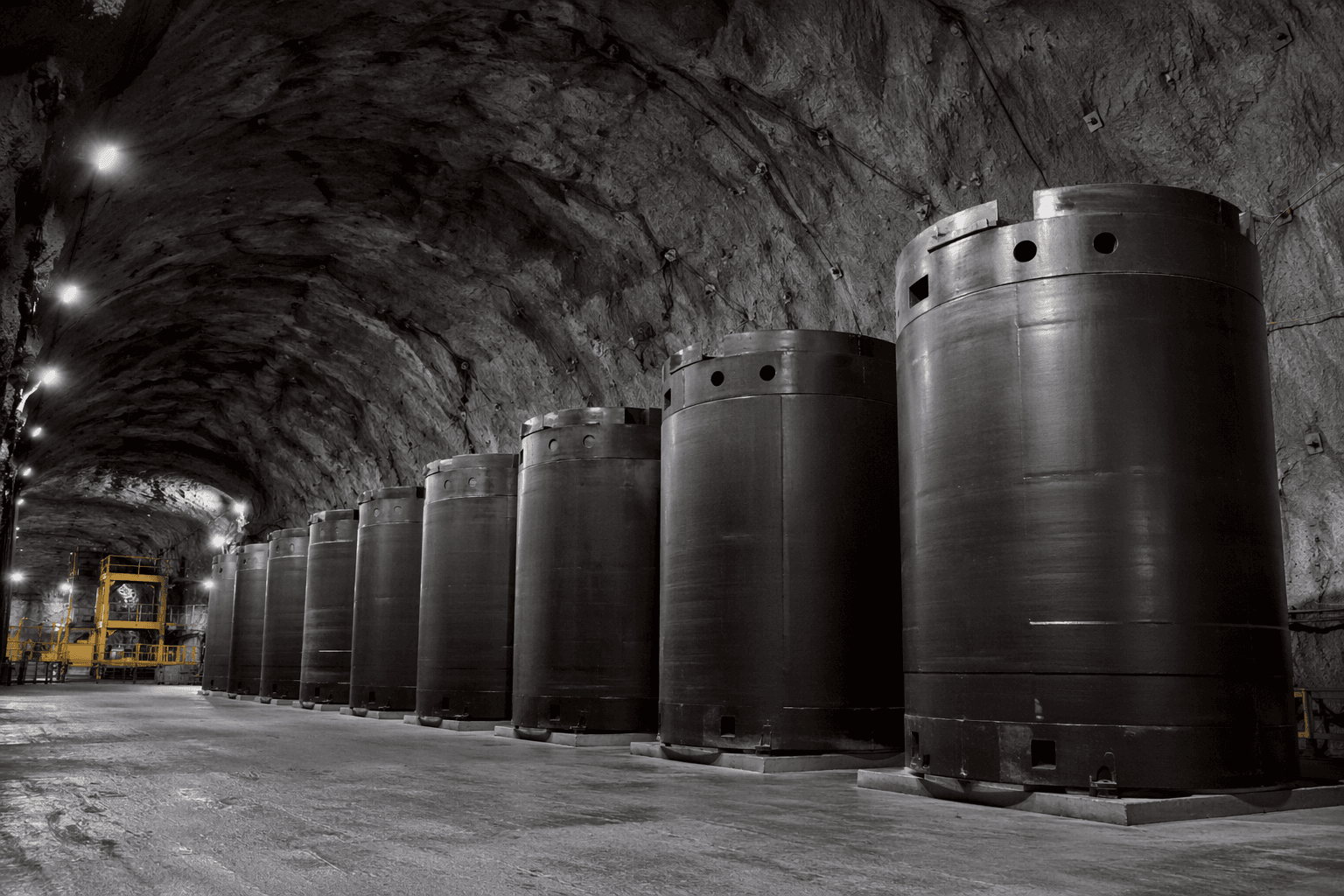
The consultancy’s central estimate is stark: achieving up to 300 GW of additional nuclear capacity by 2050 would require $105 billion to $170 billion in fuel-cycle investment. McKinsey breaks that into $15 billion to $20 billion for mining and milling, $30 billion to $45 billion for conversion, $30 billion to $40 billion for enrichment, $10 billion to $20 billion for fabrication and $20 billion to $45 billion for reprocessing. The message is simple, if uncomfortable for a buildout story that often focuses on reactor design alone: the front end and back end of the fuel chain have to move first.
That urgency sits on top of a thin domestic base. McKinsey says the United States has about 97 GW of nuclear capacity today, and nuclear plants generate about 20% of U.S. electricity. The country once dominated enrichment, holding 64% of global capacity in 1985, but by 2023 it was importing 27% of its enrichment services from Russia. The U.S. still has a working supply chain for its current fleet, yet the DOE has said fuels needed for many advanced reactors, including HALEU, TRISO fuel and uranium metal fuel, are not commercially available at scale.

The policy backdrop is starting to look more concrete. The Department of Energy issued a request for information on January 28, 2026, seeking states interested in hosting Nuclear Lifecycle Innovation Campuses, a federal-state concept that could cover fuel fabrication, enrichment, reprocessing used nuclear fuel, waste disposition, advanced reactor deployment, power generation and advanced manufacturing. DOE set an April 1, 2026 response deadline, a small but important marker that turns the fuel-cycle conversation from white paper language toward site selection, licensing and plant-level planning.


The international picture reinforces the same point. In December 2023, the Sapporo 5, the United States, Canada, France, Japan and the United Kingdom, said they collectively controlled 50% of global uranium conversion and enrichment production capacity and pledged at least $4.2 billion in joint investment over three years. By September 18, 2024, DOE said that effort had already reached $5.6 billion. Stanford researchers then sharpened the bottleneck even further in January 2026, saying uranium conversion remained a major choke point, with only five large-scale facilities worldwide. McKinsey’s report lands in the same place: the 300 GW ambition will stay aspirational until the fuel cycle stops behaving like a constraint and starts looking like infrastructure.
This article was produced by Prism’s automated news system from verified source data, official records, and press releases, then run through automated quality and moderation checks before publishing. The system is built and supervised by the people who set the standards it runs under. Read our full AI policy.
Did this article answer your question?