Missouri lawmakers debate whether customers should fund nuclear plants early
Missouri’s CWIP fight could tack about $93 a month onto bills before a reactor runs, or keep nuclear risk on utilities instead of customers.

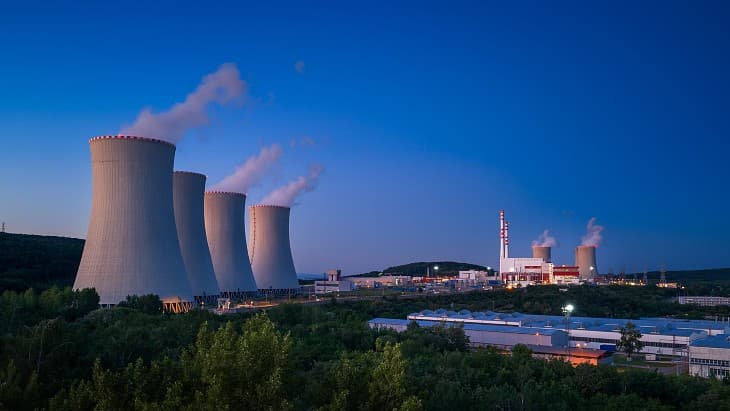
Missouri lawmakers are deciding who should start paying for a nuclear plant before it makes a single kilowatt, and the answer could shape whether the state ever sees a new reactor. On April 9, senators debated an amendment to Sen. Mike Cierpiot’s energy bill that would block construction work in progress, or CWIP, from being used for nuclear plants, even though Missouri already let gas utilities use the same financing tool last year. The fight matters because Ameren Missouri’s Callaway County plant is still the state’s only nuclear station, so any future build will start with the same question: who fronts the money while the concrete is still wet?
CWIP is simple in concept and brutal in practice. It lets utilities recover some construction costs from customers before electricity is ever generated, which can ease financing pressure and reduce the interest that piles up over a long build. Critics see the opposite: bills start rising before any power reaches the grid, and the customer carries that cost if the project drifts or blows past budget. Missouri consumer advocates have estimated that a new nuclear plant built under CWIP could add about $1,115 a year, or roughly $93 a month, to the average bill, and about $5,000 over a decade.
Georgia offers the clearest example of the pro-buildout case. In 2009, the Georgia Public Service Commission approved construction of two new units at Plant Vogtle and allowed Georgia Power to recover construction and financing costs from ratepayers through CWIP. The commission also paired that approval with guardrails, including semiannual and quarterly construction reports and an independent construction monitor, a sign that CWIP can come with oversight when regulators are willing to police the schedule and the budget.
South Carolina is the cautionary tale. At the V.C. Summer site in Jenkinsville, SCE&G customers paid advanced financing costs through their bills for two nuclear units that were later abandoned after years of construction. A settlement notice said those customers may receive cash, real estate, and as much as $2 billion in future rate relief, which is exactly the kind of stranded-cost nightmare Missouri skeptics are trying to avoid. Ameren Missouri says nuclear remains vital to its safe, clean and reliable mix, but the Senate debate shows the real fight is over financing risk: whether Missouri wants to make a reactor easier to build, or ask customers to underwrite the gamble before the first watt is sold.
This article was produced by Prism’s automated news system from verified source data, official records, and press releases, then run through automated quality and moderation checks before publishing. The system is built and supervised by the people who set the standards it runs under. Read our full AI policy.
Did this article answer your question?