New Jersey, Kentucky and Texas ease rules to speed nuclear buildout
New Jersey cleared an old nuclear permit wall, Kentucky opened site-readiness grants, and Texas put $350 million on the table. Texas is now closest to a real build.
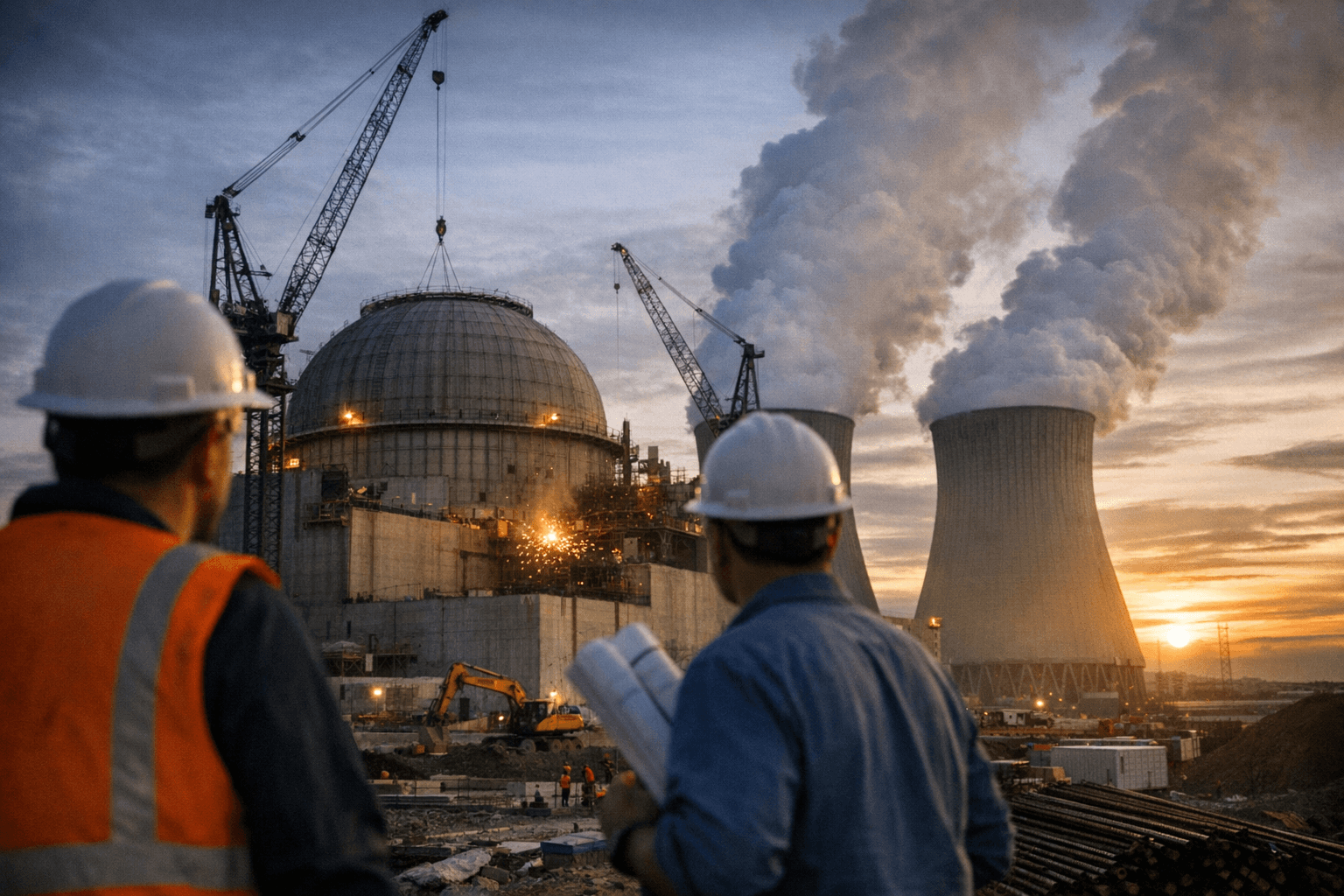
Texas put the biggest piece on the board first. The Texas Advanced Nuclear Energy Office began accepting applications on April 1 for the Texas Advanced Nuclear Development Fund, a $350 million pot appropriated by the 89th Legislature through House Bill 14 and billed as the state’s largest nuclear investment. The money is split between the Advanced Nuclear Construction Reimbursement Program and the Project Design and Supply Chain Reimbursement Program, with notice of intent due April 23, written questions due April 30 and applications due May 14. Construction applicants must have, or reasonably expect to have, a docketed U.S. Nuclear Regulatory Commission construction permit or license application on or before Dec. 1, 2026, putting the program squarely on the path from paper to procurement. State officials have tied the push to rising electricity demand, including load from data centers.
New Jersey attacked a different bottleneck, the old legal lock that had kept new nuclear from moving forward at all. Gov. Mikie Sherrill signed S3870/A4528 on April 8 after touring Salem Nuclear Power Plant with PSEG leaders and labor representatives, then launched the state’s new Nuclear Task Force. The bill became P.L. 2026, c.9, after passing the Senate 38-0 and the Assembly 68-0-3. It rewrites the Coastal Area Facility Review Act process so the New Jersey Department of Environmental Protection commissioner can approve new nuclear facilities based on safe, NRC-compliant waste storage. New Jersey says the previous radioactive waste disposal requirement was outdated and had functioned as a de facto moratorium for decades. Sherrill said New Jersey is “open for business” on next-generation nuclear, while Senate President Nicholas Scutari said expanding energy supply is one of the most impactful ways to bring down utility costs.
Kentucky moved to make the front end of a project easier to finance. Senate Bill 57 became law on April 8 as Acts Ch. 56 and created the Nuclear Reactor Site Readiness Pilot Program. The Kentucky Nuclear Energy Development Authority can recommend grants covering up to one-third of eligible costs, capped at $25 million per project, for applicants pursuing early site permits, construction permits or combined operating licenses from the NRC. The law also lets regulated utilities seek Public Service Commission recovery of qualifying licensing and permitting costs not covered by grants, requires surety or similar repayment security if timelines are missed, and adds 12 hours of nuclear-related training for authority members. Fusion-related projects also became eligible for the state’s separate Nuclear Energy Development Grant Program, building on the authority created in 2024 and a $10 million grant program funded in 2025.
Taken together, the three states are building a pro-nuclear policy stack from different angles: New Jersey is clearing a siting barrier, Kentucky is subsidizing early development, and Texas is putting real money behind active applications. Of the three, Texas looks closest to steel in the ground first, because the fund is already open, the calendar is running and the state is tying awards to projects near enough to NRC filing to turn policy into a project queue.
This article was produced by Prism’s automated news system from verified source data, official records, and press releases, then run through automated quality and moderation checks before publishing. The system is built and supervised by the people who set the standards it runs under. Read our full AI policy.
Did this article answer your question?