NRC streamlines environmental reviews for new reactor licensing
The NRC approved two NEPA rules that could trim early licensing delays, but applicants still face project-specific reviews before a reactor can move ahead.

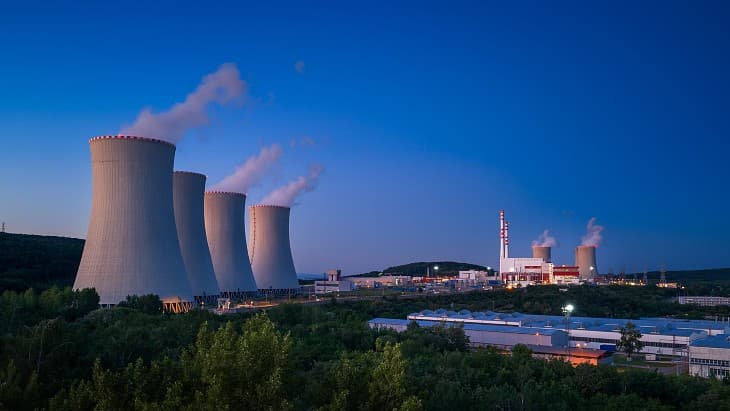
The Nuclear Regulatory Commission moved to speed the front end of reactor licensing by issuing two final NEPA-related rules: one updating categorical exclusions and another finalizing the new reactor generic environmental impact statement. For developers trying to bring advanced reactors, small modular reactors, or campus-scale research projects into the licensing queue, the practical shift is not a shortcut around review, but a narrower and more predictable first pass through it.
Mike King, the NRC’s Executive Director for Operations, cast the changes as part of a smarter and more consistent approach to environmental review, with more attention pushed toward the issues that matter most for people and the environment. The commission said the new categorical exclusions are meant to minimize inefficiencies and inconsistencies across licensing and regulatory programs, while still keeping the agency inside its environmental compliance obligations. That matters because environmental review has often been one of the slowest stretches of the reactor licensing path.
The new reactor GEIS is the larger play. It is the NRC’s generic environmental impact statement for licensing new nuclear reactors, and the agency said it can be used to evaluate construction and operation impacts under a technology-neutral plant parameter envelope. Even so, the GEIS does not replace site-specific work. When an application is filed, the NRC still requires supplemental project-specific NEPA documentation, which means applicants can expect a faster baseline review, not a finished permit.
The overhaul also ties directly to President Donald J. Trump’s Executive Order 14300, signed on May 23, 2025, which directed the NRC to undertake a review and wholesale revision of its regulations and guidance documents. The order set deadlines that pushed proposed rulemakings within nine months and final rules and guidance within 18 months. NRC staff held a public meeting on March 12, 2026, on how the agency was carrying out that directive, and the commission also finalized a separate rule on April 15 increasing flexibility in the mandatory hearing process.
The NEPA changes are part of a broader regulatory reset that is still unfolding. The NRC retitled the GEIS rulemaking in May 2024 to reflect broader applicability beyond advanced reactors, and it finalized Part 53 in March 2026, creating its new risk-informed, technology-inclusive framework for advanced reactors ahead of the end-of-2027 deadline in the ADVANCE Act. The agency has also said additional environmental rulemaking is likely soon.
For reactor applicants, the real question is how much this changes project risk. The answer is mixed. The new framework may reduce early uncertainty and make federal review more consistent, especially for first-of-a-kind designs and plants planned in the United States and its territories. But the NRC is not eliminating scrutiny; it is reorganizing where the time goes, and whether that becomes true acceleration will depend on how quickly the next layers of licensing move.
This article was produced by Prism’s automated news system from verified source data, official records, and press releases, then run through automated quality and moderation checks before publishing. The system is built and supervised by the people who set the standards it runs under. Read our full AI policy.
Did this article answer your question?