NRC to review Comanche Peak chiller lapse in white finding conference
A low-significance White finding at Comanche Peak-2 centers on a chiller that stayed inoperable after a refrigerant leak, with NRC review now driving the next step.
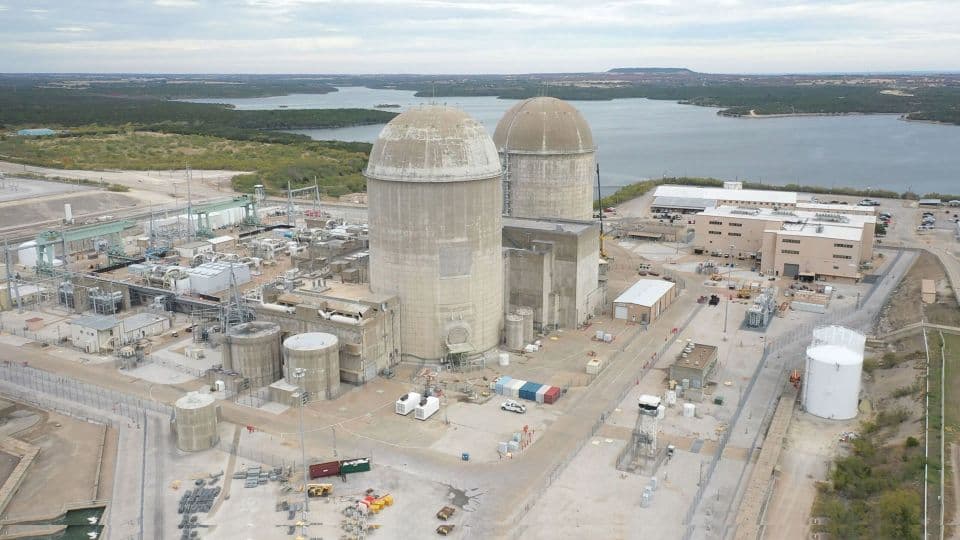
A preliminary White finding at Comanche Peak Unit 2 put a low-safety-significance chiller lapse under a microscope: the NRC said Vistra Operations Company LLC failed to return safety chiller 2-06 to operable status after a refrigerant leak, and the May 19 regulatory conference was the step that could sharpen the final judgment on whether this was a contained compliance miss or something more systemic.
White is the NRC’s low-safety-significance band, above Green and below the more serious Yellow and Red categories, but it still brings extra oversight and a formal review. The agency said the matter came out of an inspection conducted from March 22 through April 6 and memorialized in Inspection Report 05000446/2026090, dated April 10. NRC staff tied the finding to a leak identified on August 14, 2025, on Unit 2, train B, and said the concern centered on low refrigerant pressure that left the chiller inoperable.

The public conference was held at the NRC Region IV office, 1600 East Lamar Boulevard in Arlington, Texas, from 9 a.m. to noon Central time, with webinar and teleconference participation options also listed. NRC said the meeting was meant to give Vistra a chance to present its perspective and add information before the agency made a final determination, while making clear that no final safety-significance decision and no enforcement action decision would be made in the meeting itself.
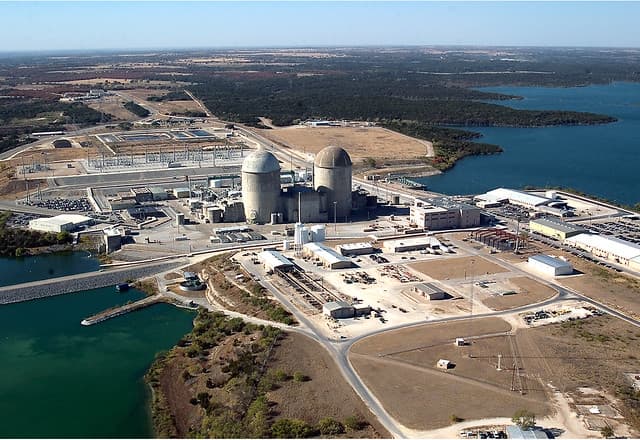
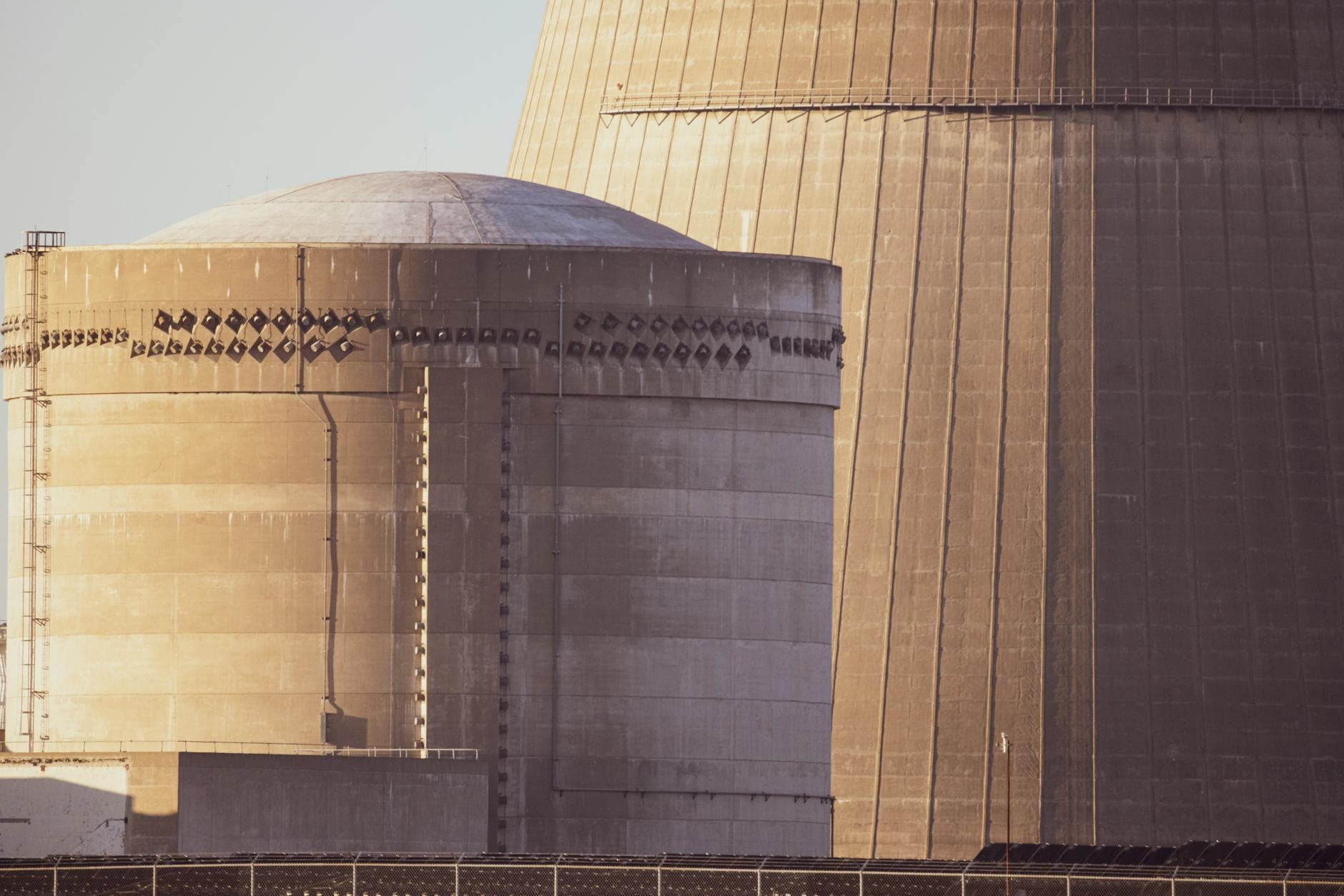
Vistra chose the regulatory-conference path in an April 20 response to the April 10 letter and said that response carried no new commitments for Comanche Peak Units 1 and 2. The plant itself is a two-unit, 2,400-MW station in Glen Rose, Texas, about 40 miles southwest of Fort Worth, and Unit 2 is a pressurized water reactor whose operating license runs from April 6, 1993, to February 2, 2053. For a site that has operated since 1990 and generated more than 582 million megawatt-hours, the question now is not whether the leak was dramatic, but whether the recovery exposed a deeper weakness in the plant’s support-system discipline.
This article was produced by Prism’s automated news system from verified source data, official records, and press releases, then run through automated quality and moderation checks before publishing. The system is built and supervised by the people who set the standards it runs under. Read our full AI policy.
Did this article answer your question?