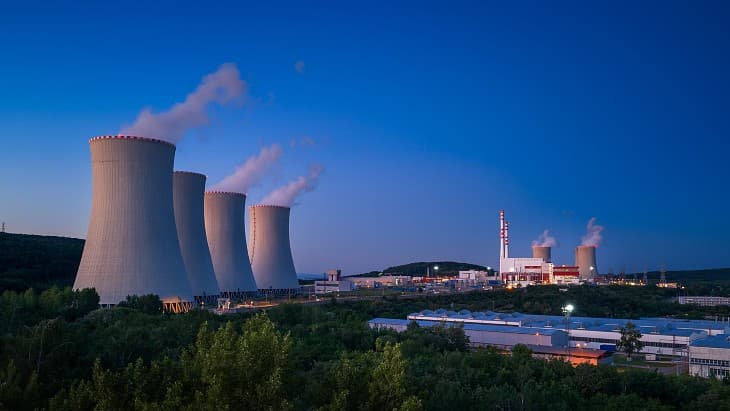
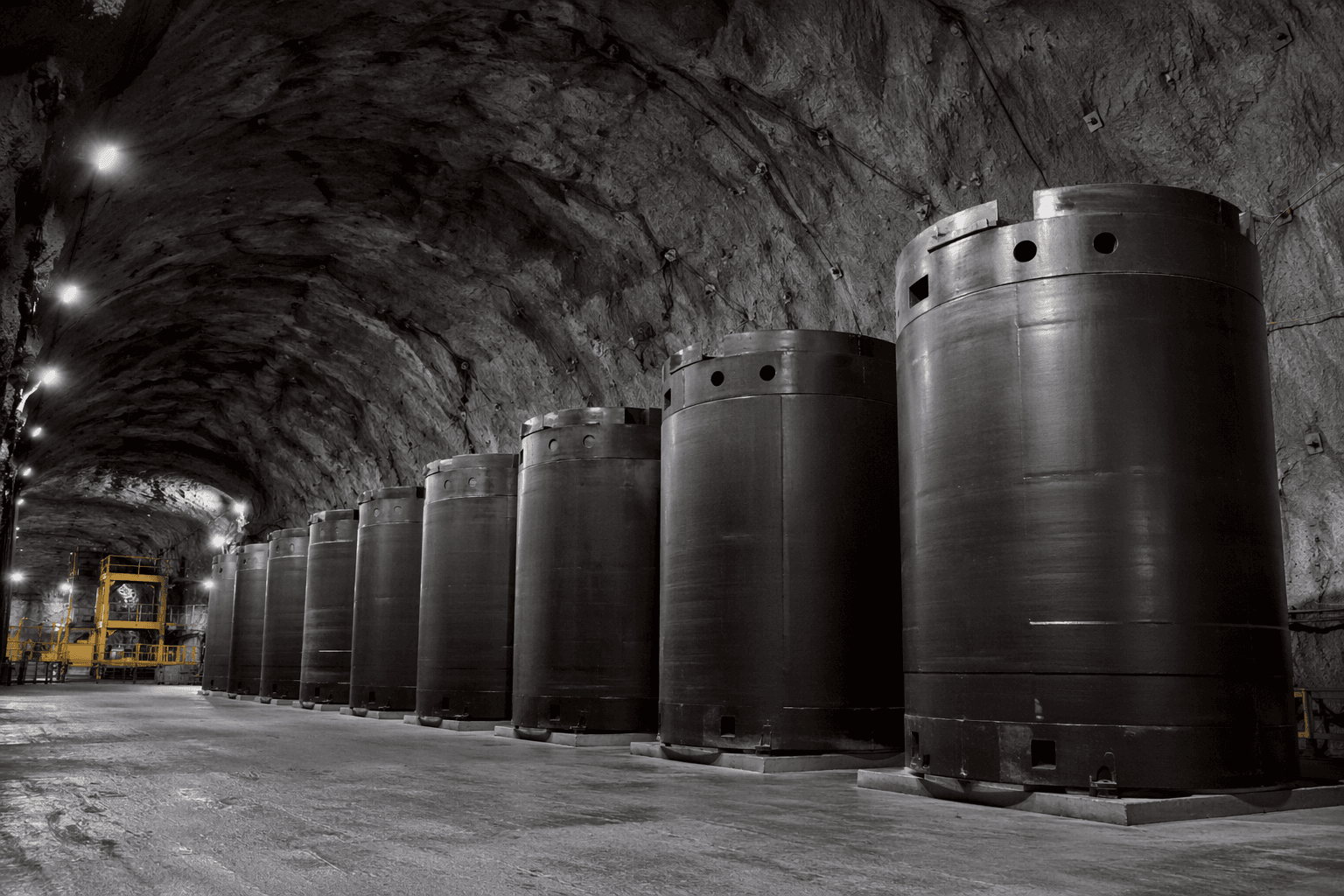
Oklo Texas isotope reactor nears criticality, advancing waste recycling tech
Oklo’s Lockhart reactor is months from criticality, the milestone that would move its isotope recycling story from theory to live fast-reactor validation.
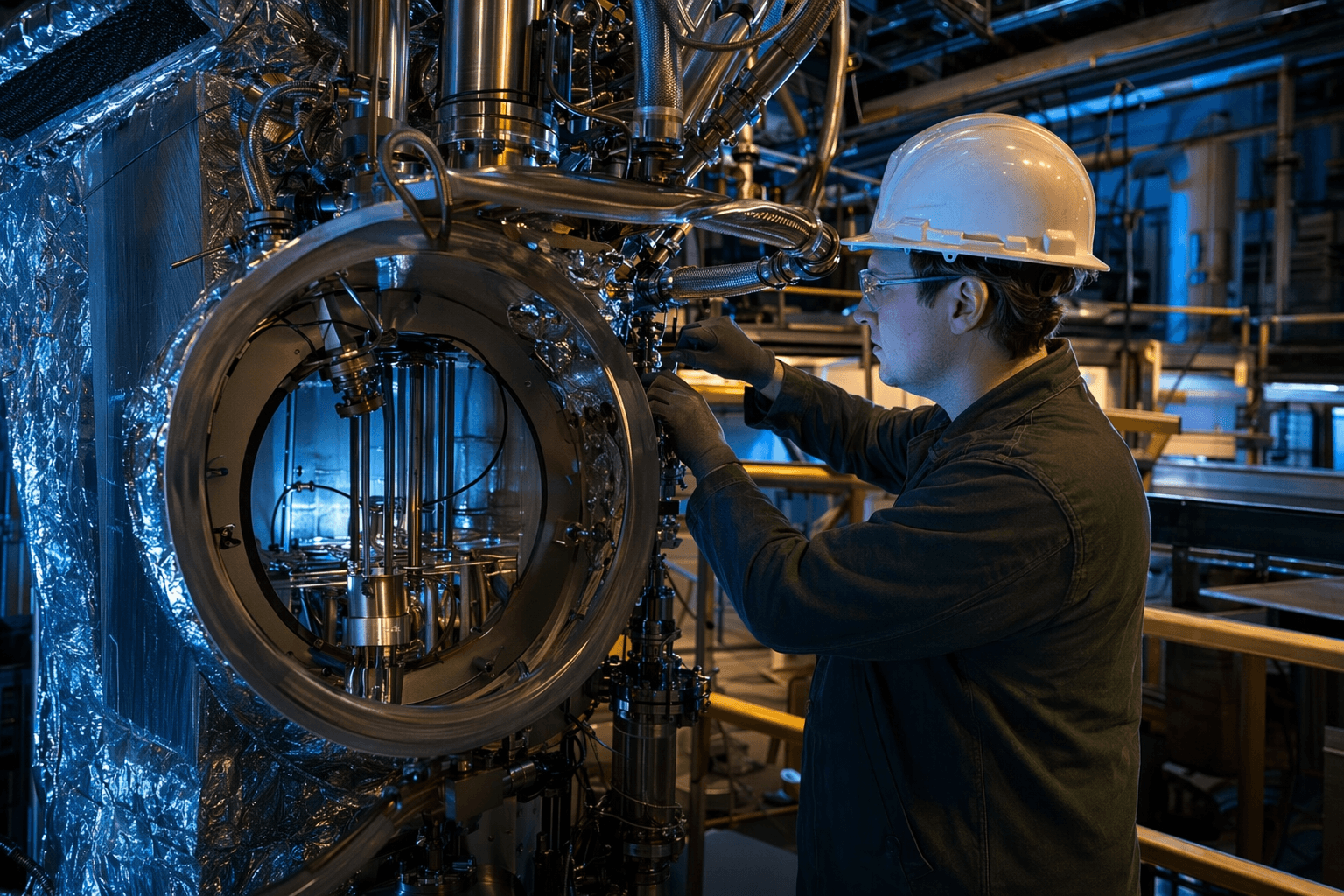
Oklo’s Groves Isotope Test Reactor in Lockhart, Texas, is months away from criticality, the checkpoint that would turn its fast-reactor program from a licensing story into operating hardware. Jacob DeWitte has framed that milestone as the proof point for Oklo’s broader pitch: a 15-MWt test reactor that can validate isotope production, fast-spectrum performance and the company’s long-term case for recycling nuclear waste into useful fuel.
The Texas reactor sits inside the U.S. Department of Energy’s Reactor Pilot Program, which was created to help demonstrate criticality in at least three test reactors by America’s 250th birthday on July 4, 2026. In March, the Energy Department approved the Nuclear Safety Design Agreement for the Groves Isotopes Test Reactor, and Atomic Alchemy, Oklo’s wholly owned subsidiary, also received a materials license for the project. For Oklo, those are more than regulatory boxes checked. They are the kind of approvals that give the company a path from concept to a licensed, buildable isotope machine.
Oklo describes the unit as a 15-MWt VIPR, short for Versatile Isotope Production Reactor, and says the Texas site is intended to validate reactor operations and isotope output before any commercial-scale rollout. That matters because the company is not treating the reactor as a one-off science project. It is positioning Groves as the first move in a broader isotope strategy that includes an Idaho Radiochemistry Laboratory for early output and a future multi-reactor isotope foundry in Idaho.
The commercial case is tied to supply risk as much as reactor physics. Oklo says many isotopes are still sourced from overseas suppliers or made in aging facilities, a setup that leaves cancer care, advanced manufacturing, scientific discovery and national security exposed to bottlenecks. By tying isotope production to a fast-reactor platform, Oklo is trying to show that domestic supply can be built into a reactor business rather than bolted on afterward.
That is where the criticality milestone matters most. A reactor that reaches criticality is doing the actual work of a reactor, and in Oklo’s case the company wants that live demonstration to support a much bigger claim: that liquid-metal-cooled, metal-fueled fast reactors, with more than 400 reactor-years of operating experience worldwide, can move from niche technical heritage to commercial deployment. The distance from a successful test reactor to a working plant is still long, but Lockhart is where Oklo is trying to prove the middle of that journey is real.
This article was produced by Prism’s automated news system from verified source data, official records, and press releases, then run through automated quality and moderation checks before publishing. The system is built and supervised by the people who set the standards it runs under. Read our full AI policy.
Did this article answer your question?