Princeton lab graduates first fusion energy apprenticeship cohort
PPPL graduated its first fusion-energy apprenticeship cohort, and two of the newest graduates already moved into lab jobs. The four-year pipeline is built to train the technicians fusion needs.

A fusion reactor can win headlines for its plasma physics, but Princeton Plasma Physics Laboratory is betting the field will ultimately be won by something less glamorous: technicians who can build, wire, maintain and troubleshoot the hardware. The lab marked the graduation of its first fusion-energy apprenticeship cohort, turning a national first into a test case for whether commercial fusion can grow a workforce as fast as it grows ambition.
PPPL says the apprenticeship is the first registered program in the nation focused on fusion energy and engineering. It runs four years, with up to 8,000 hours of paid on-the-job training and 576 hours of technical instruction, while also covering tuition and learning materials so apprentices can graduate without debt. The training reaches into electrical and mechanical engineering, information technology, cybersecurity and cryogenics, a mix that reflects how much of fusion is an operations challenge, not just a science problem.
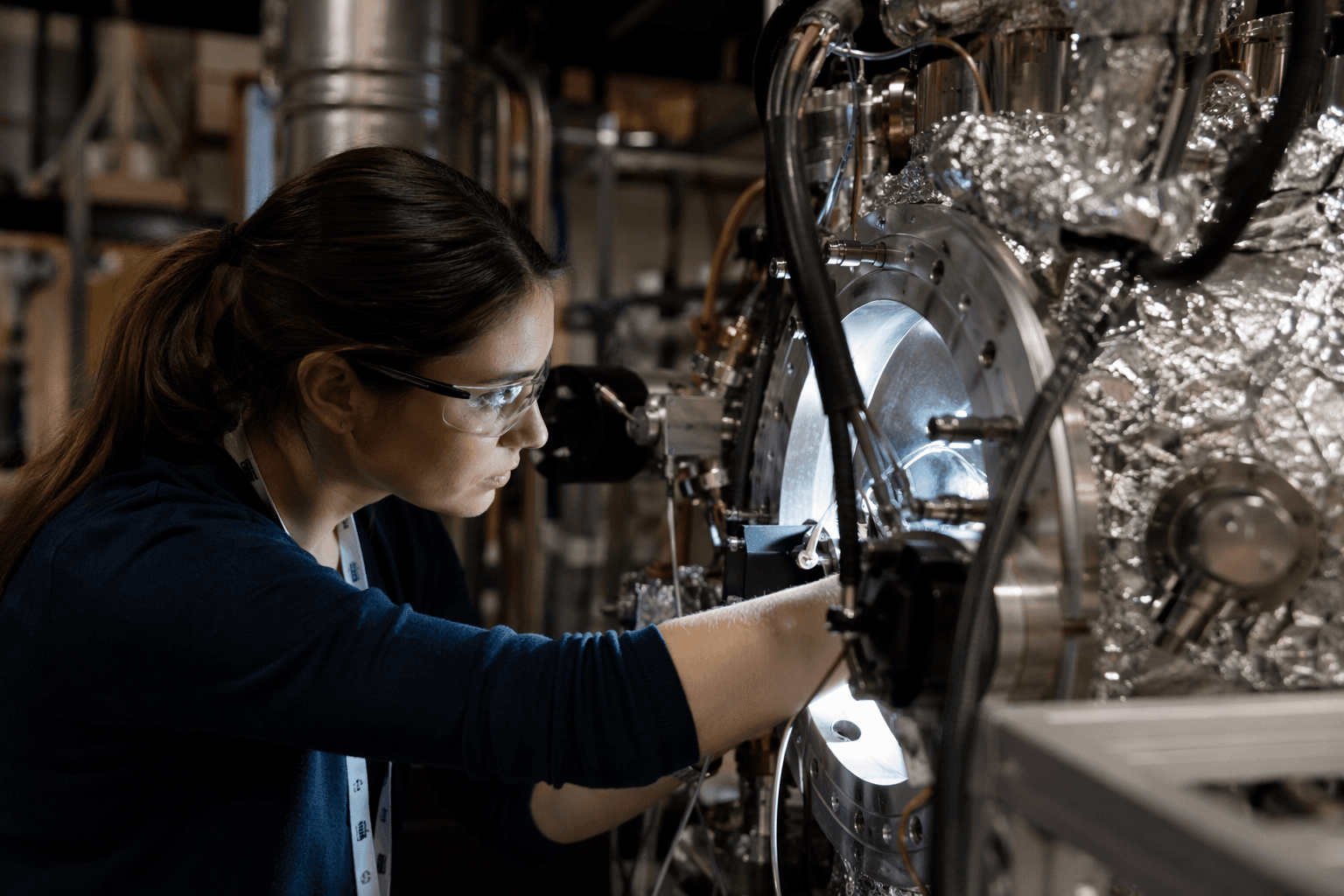
The program launched in 2019 with support from the U.S. Department of Energy and the New Jersey Department of Labor and Workforce Development. PPPL’s first four apprentices graduated in November 2023, by which point the program had grown to 14 apprentices. In 2024, the lab said it would expand the effort nationally with $3 million in DOE Office of Science funding and hire four more apprentices. Two of the latest graduates have already taken jobs at the lab, and some earlier graduates have moved into full-time roles at PPPL.
The graduation comes as federal planners are openly treating workforce development as part of the fusion race. DOE’s 2024 Fusion Energy Strategy called for training that reaches beyond plasma science into engineering, manufacturing and the technical and non-technical roles needed to support a commercial industry. It also noted more than $6 billion in cumulative equity investments in private fusion companies, with 80 percent of that money flowing to U.S. firms, a sign that the commercialization push is already ahead of the labor supply.
That gap is exactly where PPPL has tried to plant its flag. The U.S. Department of Labor has recognized the lab as an Apprenticeship Ambassador, and state officials have held up the program as a model during National Apprenticeship Week. For a field defined by giant magnets, complex diagnostics and precision systems, the lesson is blunt: breakthroughs only matter if enough people can keep the machines running, and PPPL’s first graduating class is the clearest sign yet that fusion’s workforce pipeline is finally taking shape.
This article was produced by Prism’s automated news system from verified source data, official records, and press releases, then run through automated quality and moderation checks before publishing. The system is built and supervised by the people who set the standards it runs under. Read our full AI policy.
Did this article answer your question?