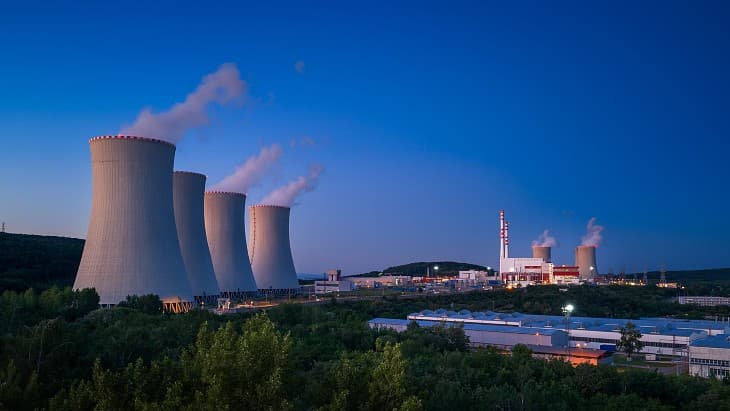
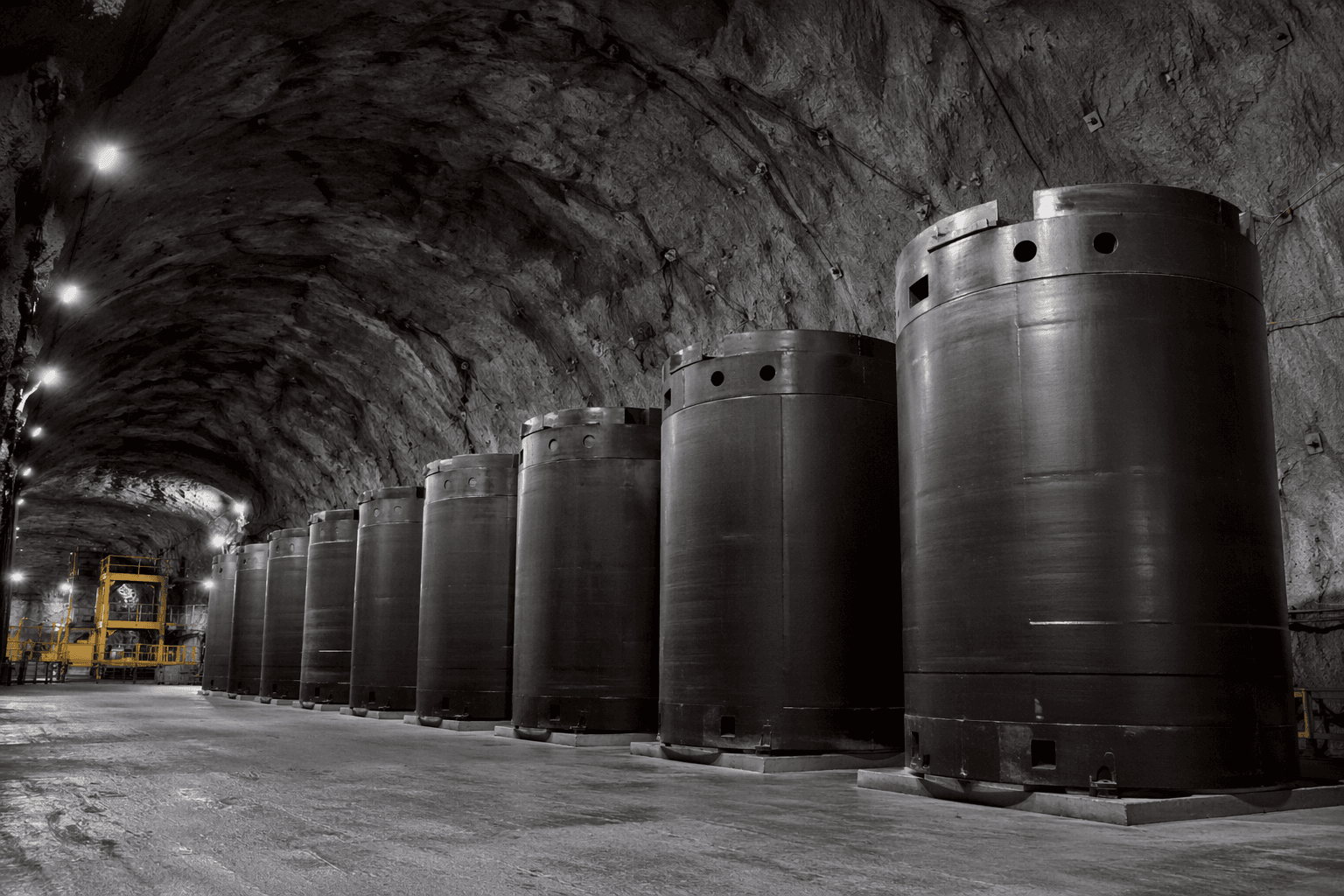
Researchers recreate nuclear fireball chemistry to track fallout particles
Tiny fallout particles can change shape with the cooling rate alone. LLNL’s reactor study shows why cesium may be harder to model, and why forensic fallout maps may need an upgrade.
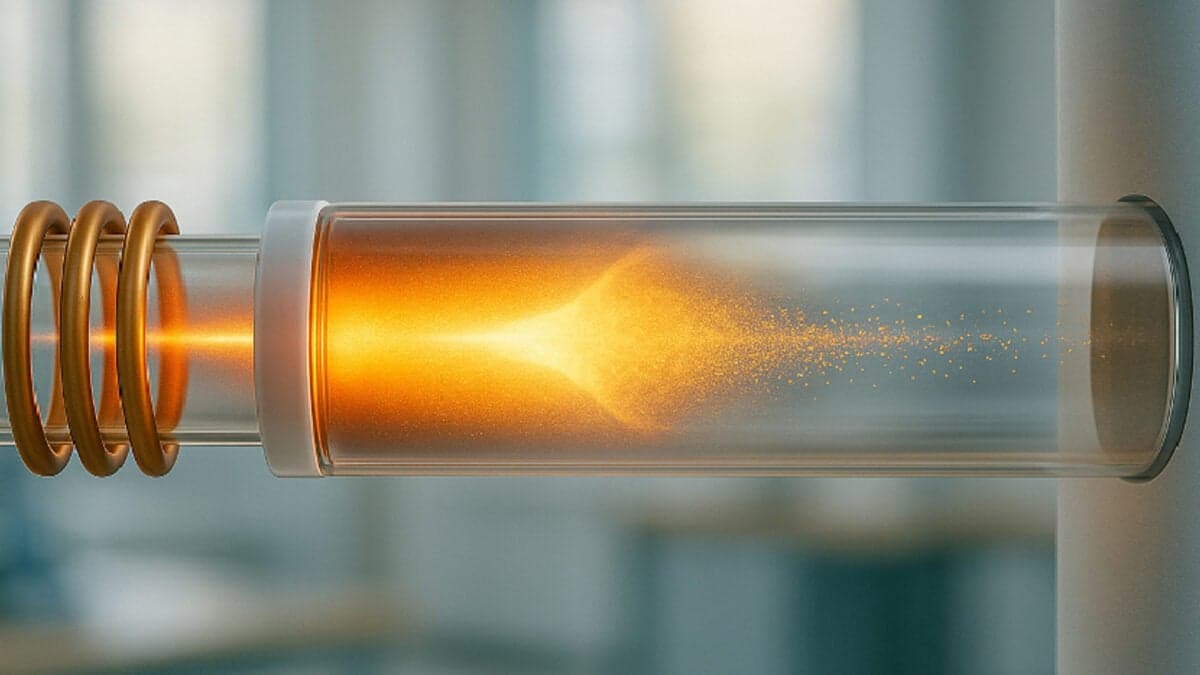
A nuclear fireball does not end with the blast. As the superheated cloud cools, its chemistry can decide whether fallout turns into one kind of particle or another, and Lawrence Livermore National Laboratory has now recreated part of that process in the lab.
The LLNL study, published in Analytical Chemistry on May 23, 2026, used a plasma flow reactor to vaporize mixtures of uranium, cerium, and cesium and then control how the vapor cooled. That let the team watch materials move through the same broad sequence that follows an intense energy release in the real world: vaporization, reaction, condensation, and the formation of tiny solids that become fallout. The surprising result was that cooling history mattered a great deal, especially for volatile elements such as cesium, which can be incorporated into particles very differently depending on how long the material stays hot.

Rakia Dhaoui, an LLNL scientist involved in the work, said changing the time materials spend at high temperature can alter chemical reactions and the way volatile elements like cesium are built into particles. LLNL also said cerium served as a useful stand-in for plutonium in this kind of chemistry study, while uranium condensed early and behaved as a less volatile reference point. In other words, the chemistry was not just about what was in the fireball, but how fast that fireball lost heat.
That matters because fallout models are used far beyond academic curiosity. LLNL’s NARAC program relies on high-resolution fallout simulations for emergency response planning, consequence management, and nuclear forensics. Those models track complete radionuclide inventories, particle activity-size distributions, time-dependent buoyant cloud rise, and fallout fractionation. LLNL said the new measurements highlight limits in current fallout models, which do not fully capture the chemical interactions that happen during particle formation. If those interactions are off, then reconstructions of a nuclear event, forecasts of contaminant travel, and radiological hazard estimates can all drift.
NARAC also said its next-generation cloud-rise models are being tested against historical film data from the 1953 Grable nuclear test, a reminder that even the newest fallout work still leans on old detonations for calibration. The new LLNL results bring the story back to the same hidden moment that opened it: the instant a fireball stops being fire and starts becoming particles, when the cooling rate can help decide where the fallout goes next.
This article was produced by Prism’s automated news system from verified source data, official records, and press releases, then run through automated quality and moderation checks before publishing. The system is built and supervised by the people who set the standards it runs under. Read our full AI policy.
Did this article answer your question?