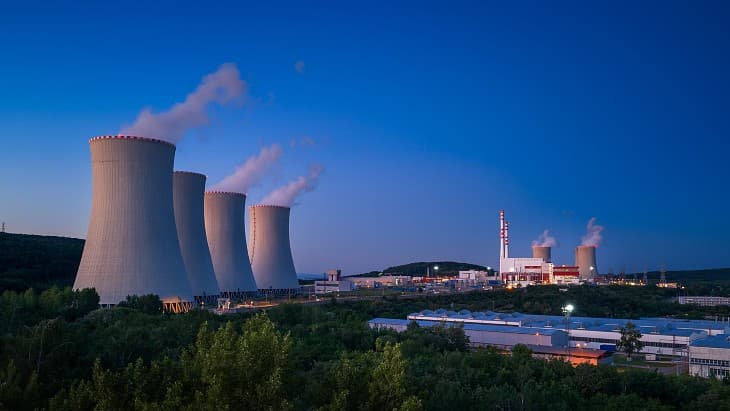
Rolls-Royce, UK lab and Japan agency team up on advanced reactors
A new UK-Japan nuclear pact zeroes in on HTGR hardware, coated-particle fuel and the test milestones needed to move beyond paperwork.

The real prize in the Rolls-Royce, UK nuclear lab and Japan Atomic Energy Agency tie-up is not the handshake at 10 Downing Street. It is the chance to push a high-temperature gas-cooled reactor, and the coated-particle fuel it depends on, from policy language into hardware, testing and licensing. The three organizations signed two trilateral memorandums of cooperation on 14 June 2026 during Japanese Prime Minister Sanae Takaichi’s visit to the UK.
Rolls-Royce said the agreements were meant to accelerate the introduction of advanced nuclear technologies in the UK, with work centered on High-Temperature Gas-Cooled Advanced Modular Reactor technology and next-generation Coated Particle Fuel. That matters because the company’s AMR concept is aimed at sub-50 MWe markets, with each unit capable of up to 25 MWe and 75 MWth. In practice, that puts the design in the lane of compact, rapidly deployable reactors that could serve off-grid customers, industrial heat users and other sites where electricity alone is not the point.
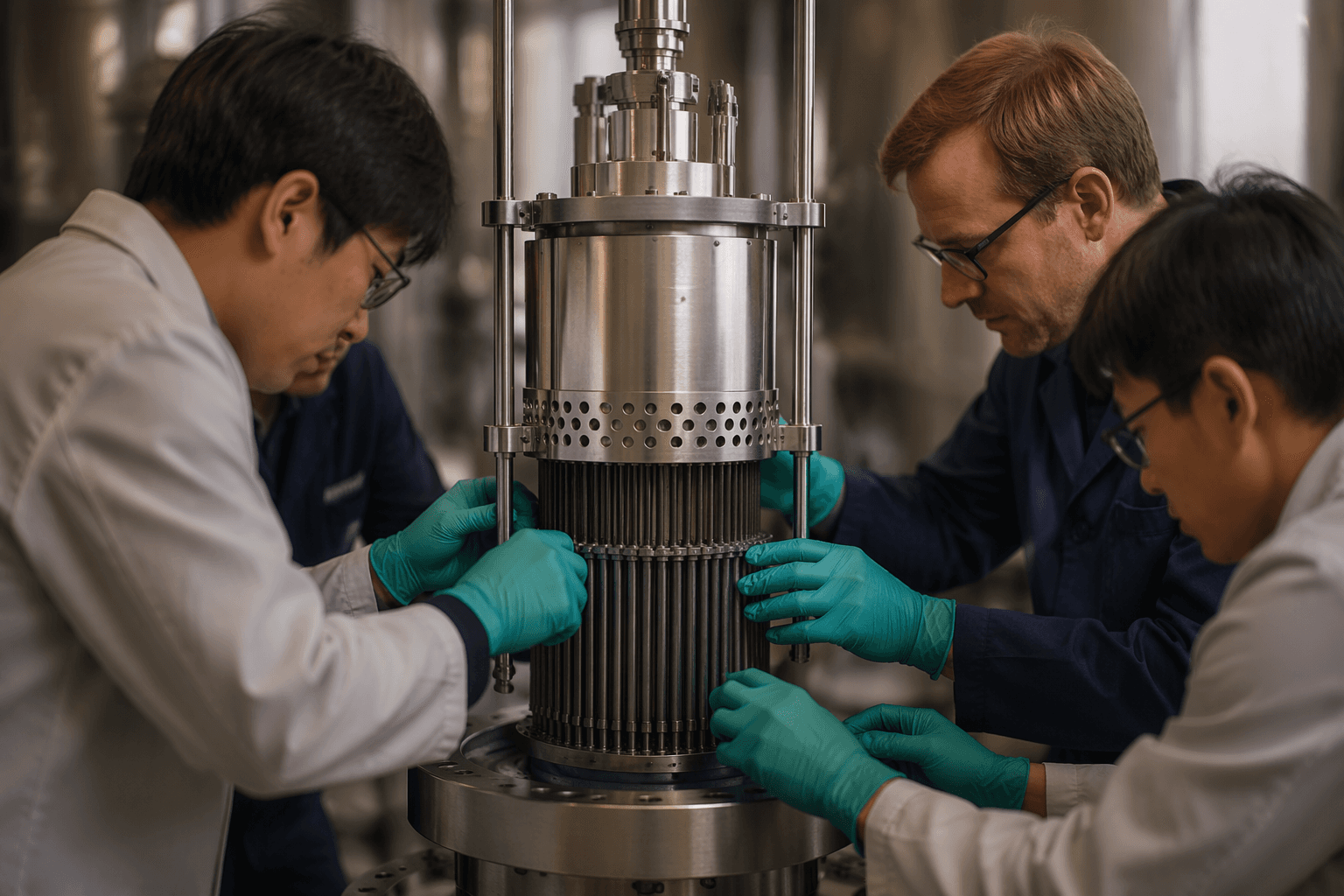
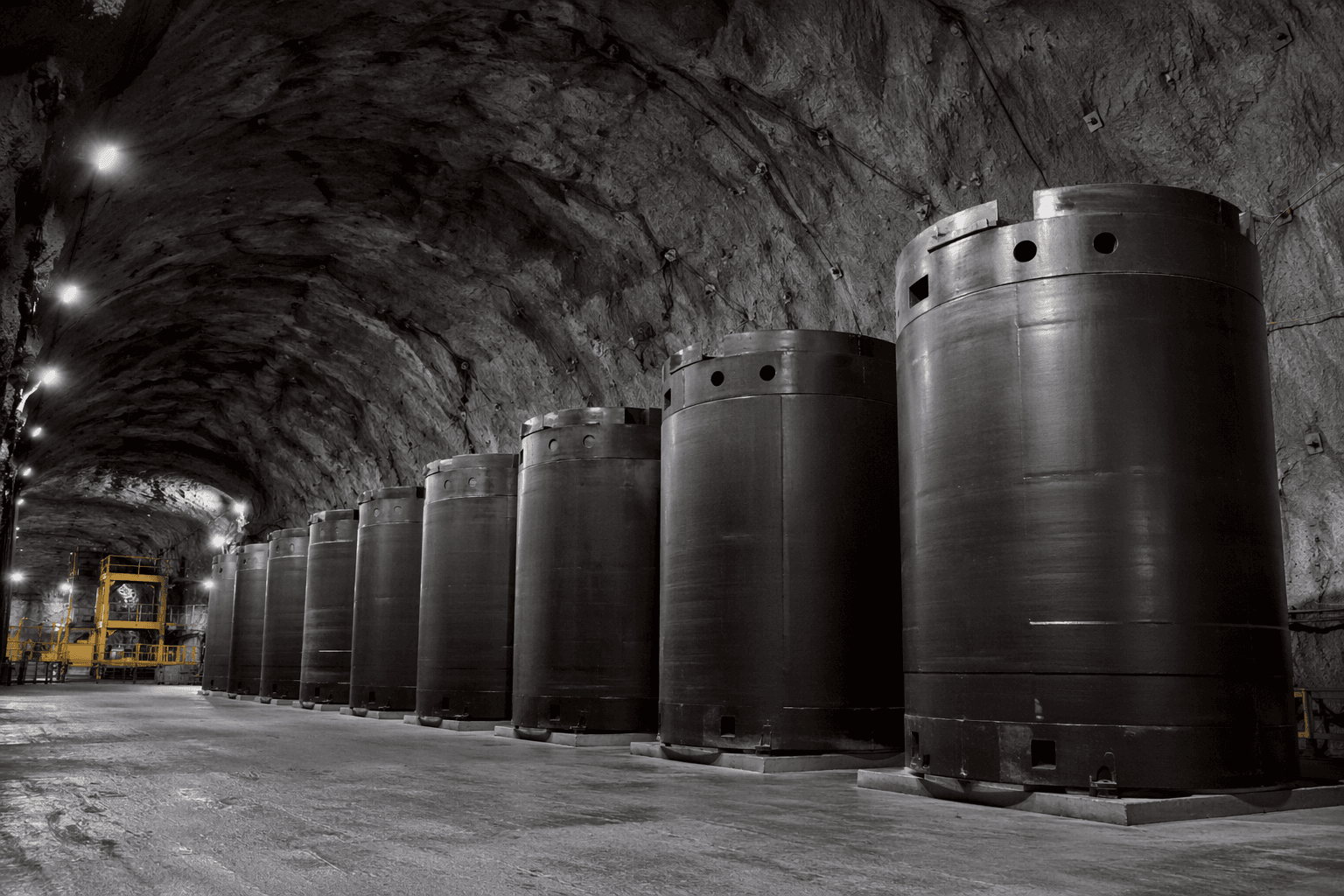
The new arrangement builds on a relationship that was already moving past the introductory stage. In July 2023, JAEA said it would take part in the UK HTGR Demonstration Reactor Programme and the coated-particle fuel programme. In April 2024, UKNNL and JAEA signed a collaboration agreement on coated-particle fuel for HTGRs. Those steps are the kind that tend to matter more than a fresh memorandum: fuel qualification, irradiation data, post-irradiation examination and licensing support are where advanced reactor concepts either harden into a buildable system or stall in the lab.
Japan brings a highly relevant test bed to that effort. JAEA’s High Temperature Engineering Test Reactor at Oarai first achieved criticality on 10 November 1998, reached a 950°C coolant outlet temperature at full 30 MW thermal power on 19 April 2004, and completed a safety demonstration test in March 2024 showing core melt would not occur under a loss-of-forced-cooling scenario. For HTGR advocates, that is the kind of operating history that can help turn coated-particle fuel from a promising material into a licensable product.
The UK side already has a policy lane prepared for it. The government’s February 2026 Advanced Nuclear Framework backs privately led innovative nuclear projects, including schemes that supply heat, electricity or both. That framework follows the £170 million AMR demonstration programme announced in 2021, where HTGRs were identified as the most promising candidate for an early-2030s demonstrator.
The broader UK-Japan nuclear relationship has been formalized through the 2012 civil nuclear cooperation framework and annual dialogues, including the 14th meeting in Manchester on 3 December 2025. If this latest pact is doing its job, the next sign will not be another signature page. It will be fuel data, reactor design progress and a demonstrator that looks a lot less like a concept and a lot more like a machine.
This article was produced by Prism’s automated news system from verified source data, official records, and press releases, then run through automated quality and moderation checks before publishing. The system is built and supervised by the people who set the standards it runs under. Read our full AI policy.
Did this article answer your question?