Rosatom completes first reactor unit for floating power plant
Rosatom finished the first 58 MWe RITM-200C unit for its lead floating plant, pushing the Arctic power concept closer to a repeatable production line.
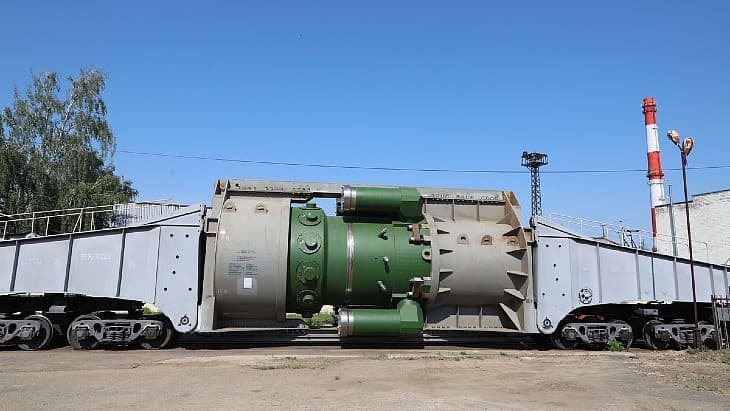
Rosatom has moved its floating-reactor plan from concept to hardware. The company completed the first RITM-200C reactor unit for its lead floating nuclear power unit at ZiO-Podolsk near Moscow, a 58 MWe machine that will be one of two reactors on the first FPU-106 platform.
That matters because this is not being built as a one-off curiosity. Rosatom says four floating units are earmarked for a copper-mining industrial cluster in Chukotka Autonomous Okrug, where the case for nuclear is brutally practical: deliver firm power into a remote Arctic logistics chain and keep mines running without depending on long fuel supply lines. Rosatom has described the FPU-106 design as a serial product, with a service life of about 40 years and refuelling intervals in the five-to-seven-year range.
The wider floating-power market is still tiny, though. The International Atomic Energy Agency says there is only one floating nuclear power plant in civil electricity operation worldwide, Akademik Lomonosov, which entered commercial operation in May 2020 in Pevek, Chukotka. It replaced the retired Bilibino nuclear power plant and the aging Chaunskaya coal plant, and it also supplies power to mining companies in the Baimsk ore zone. For Rosatom, that is the template: a power station that can sit close to a load center without demanding the same land footprint or grid buildout as a conventional plant.
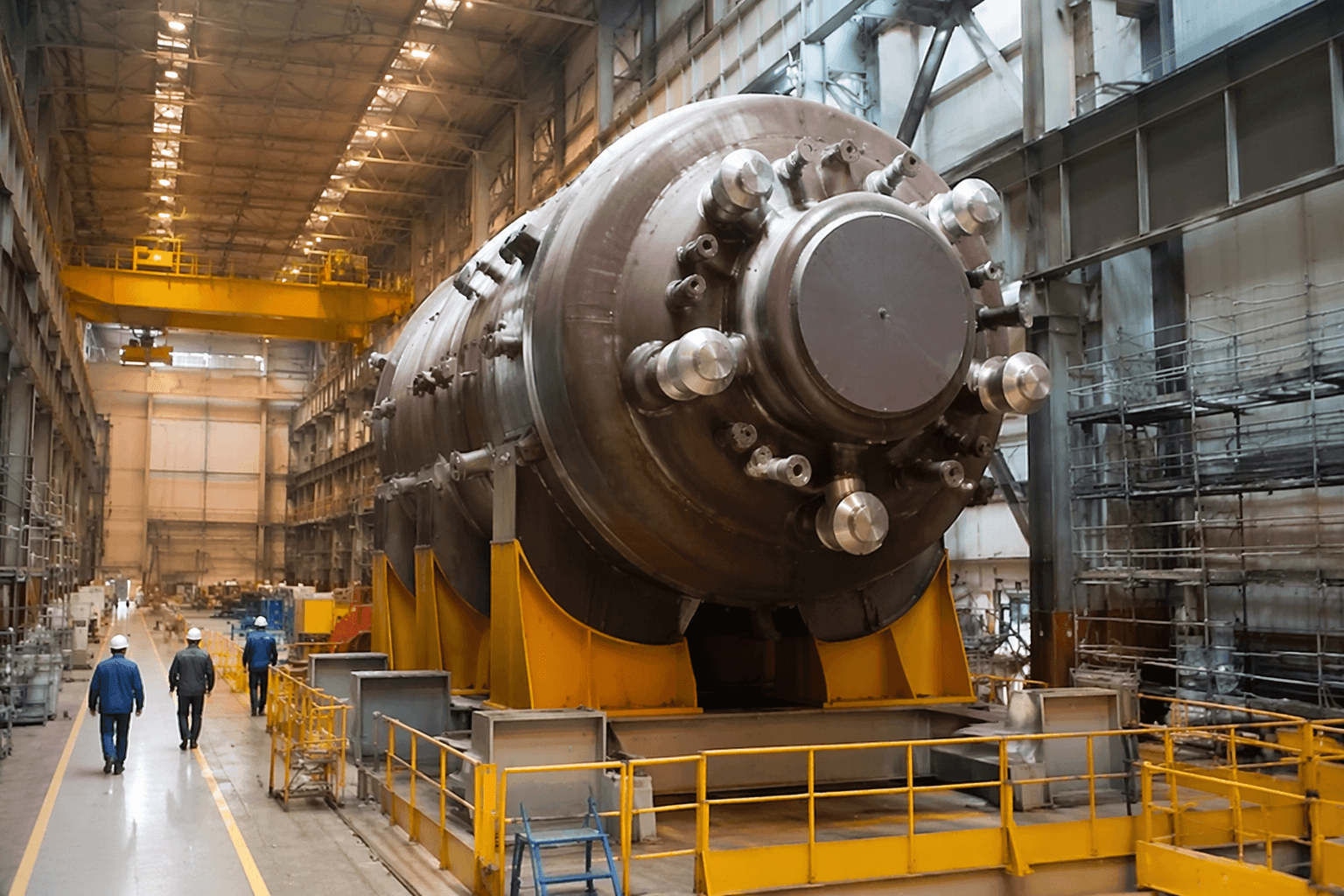
The agency has also pointed to the broader list of jobs floating plants could do beyond the Russian Arctic, including remote coastal communities, offshore oil and gas, mining, grid-scale electricity, desalination and hydrogen production. That is where the RITM-200C milestone matters beyond a single unit leaving the workshop. If Rosatom can keep turning out reactor modules at a dedicated plant, integrate them into floating platforms, and place them against industrial demand, floating nuclear starts to look less like a showcase and more like a product line.
Rosatom has spent years building that narrative around marine reactors. Its own materials trace the lineage back to the Lenin icebreaker, launched in 1959, then through the RITM family and the Akademik Lomonosov reference plant. The company has also sketched export-market floating units with capacities of at least 100 MWe and service lives of up to 60 years, a sign it wants the platform to scale beyond Chukotka if regulators, financiers and customers line up.
The state of the market still looks narrow, but the factory milestone is hard to ignore. Russia already operates 42 nuclear power reactors, and nuclear supplied 18% of its electricity in 2024. Against that backdrop, the first completed RITM-200C for FPU-106 is less a novelty than a test of whether floating nuclear can become something the industry can actually repeat.
This article was produced by Prism’s automated news system from verified source data, official records, and press releases, then run through automated quality and moderation checks before publishing. The system is built and supervised by the people who set the standards it runs under. Read our full AI policy.
Know something we missed? Have a correction or additional information?
Submit a Tip