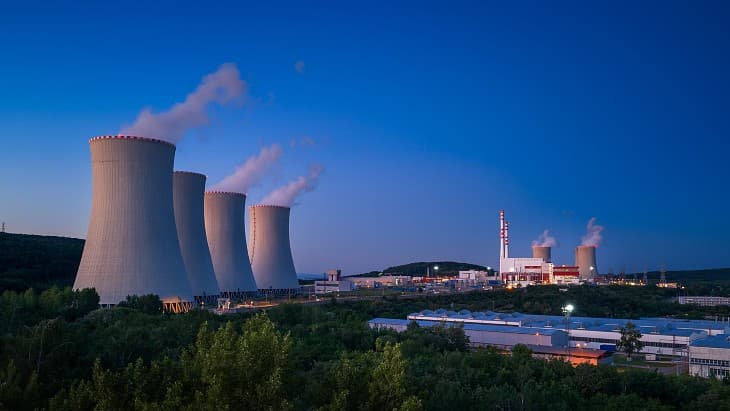
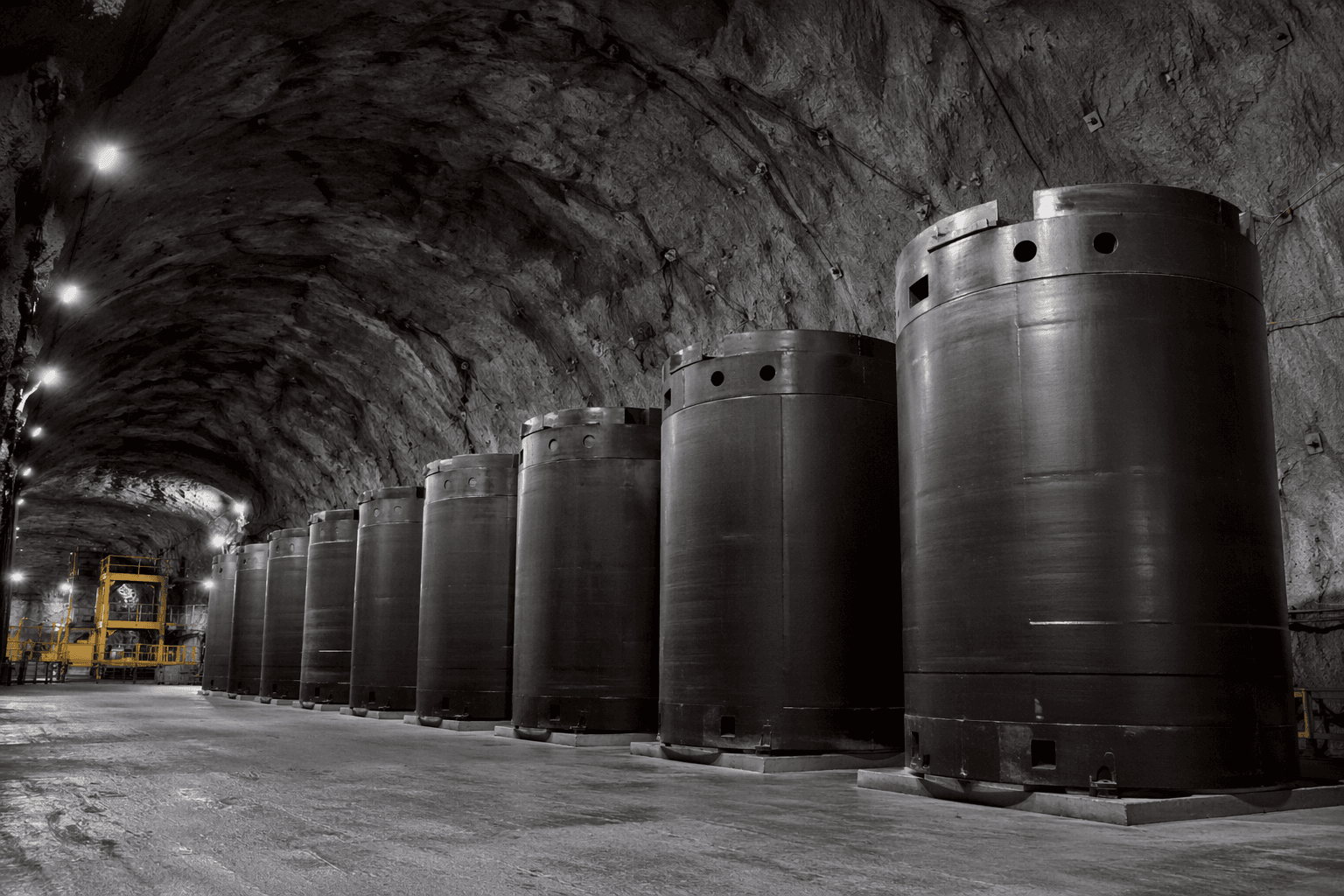
Rosatom plans Russia's largest used-fuel reprocessing plant
Rosatom is weighing a 400-tonne-a-year used-fuel plant that would become Russia’s biggest reprocessing complex. The first milestone is a site and investment decision due by the end of 2026.
Rosatom is studying a new used-fuel reprocessing plant with an initial capacity of 400 tonnes a year, and the company expects to make its investment and site-selection decision by the end of 2026. The first module would be Russia’s largest spent-fuel reprocessing complex.
Russia's current industrial reprocessing runs through the RT-1 plant at FSUE "PA Mayak", which began operating in 1977 in the Mayak complex near Ozyorsk, Chelyabinsk Oblast. RT-1 has three independent process lines for VVER-440, RBMK-1000, BN-350 and BN-600 used fuel, along with some research and naval fuel. Russia’s annual reactor spent-fuel output is about 800 tonnes.

The new project is part of a closed fuel cycle, where used fuel is reprocessed and recycled instead of being treated as a one-pass waste stream. Rosatom says closed-cycle technologies can reprocess up to 90% of spent fuel, and the company has tied that goal to its fast-reactor program. The BREST-OD-300 lead-cooled fast reactor is now being built at the Siberian Chemical Combine in Seversk, in the Tomsk region, as part of the Breakthrough, or Proryv, program. The program is meant to demonstrate an integrated fuel chain, including fuel fabrication, refabrication and reprocessing.
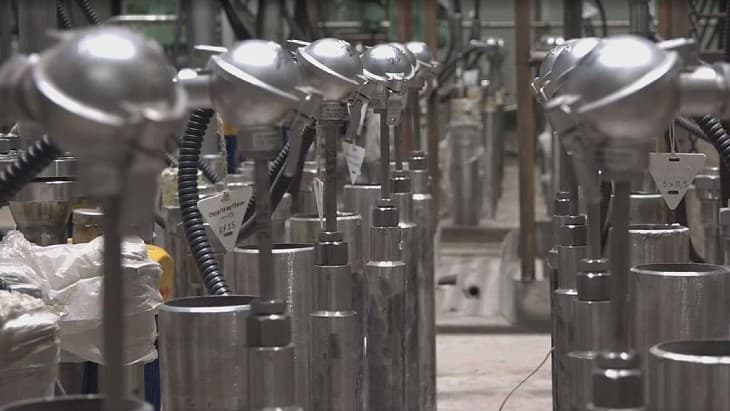
Rosatom is using Zheleznogorsk, in Krasnoyarsk Krai, as a test bed for the larger project. A second-stage reprocessing line at the Mining and Chemical Combine was launched in 2025 and is expected to reach 200 tonnes a year at full capacity. Rosatom says that line is meant to test equipment and generate operating data for a larger future plant, while also avoiding liquid radioactive waste.
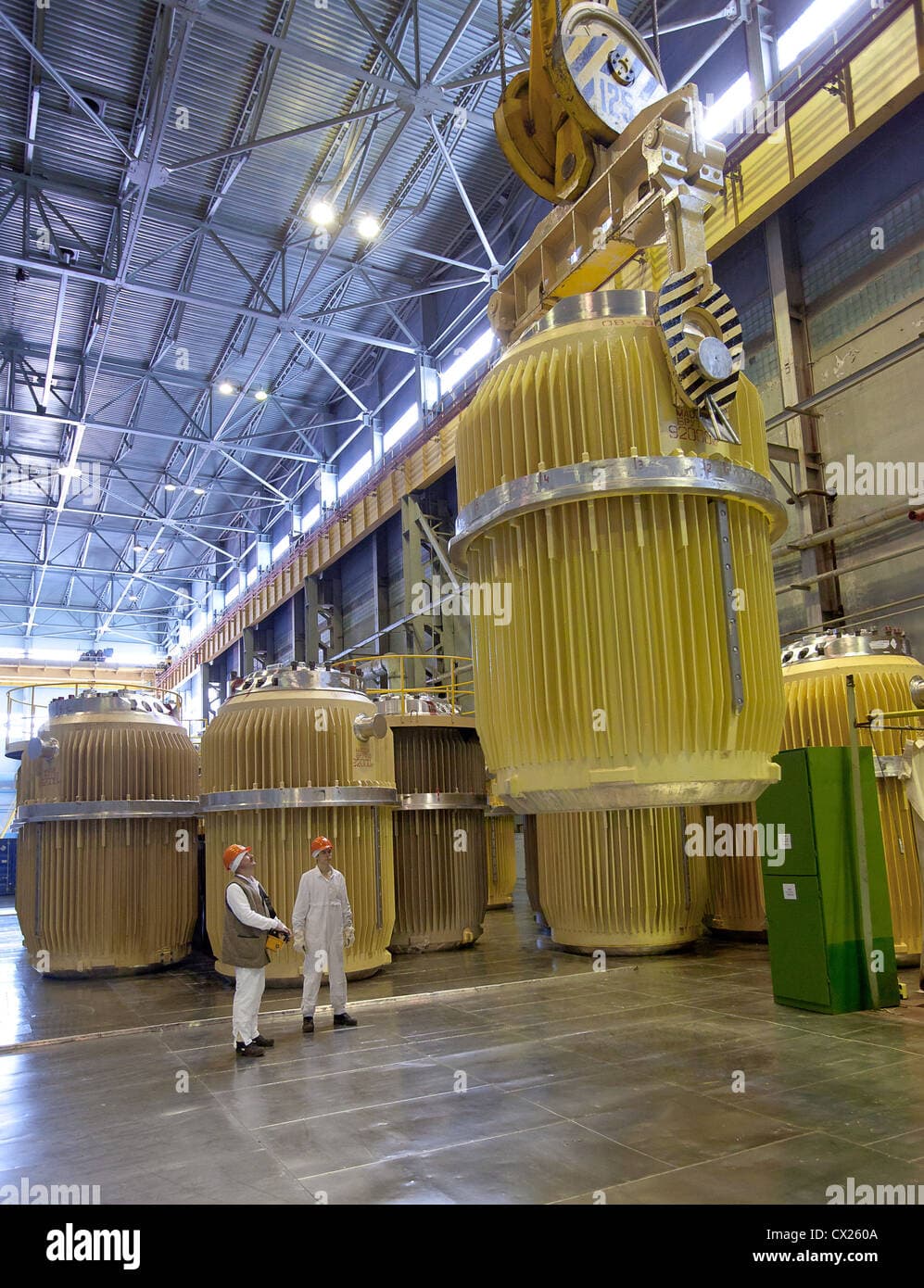
For now, the 400-tonne project still has to clear site choice, financing, licensing and construction.
This article was produced by Prism’s automated news system from verified source data, official records, and press releases, then run through automated quality and moderation checks before publishing. The system is built and supervised by the people who set the standards it runs under. Read our full AI policy.
Did this article answer your question?