Russia offers Indonesia full nuclear buildout, from big reactors to floating plants
Rosatom pitched Indonesia everything from gigawatt reactors to floating plants, but the real test is whether the talks produce a site, permits, funding and a schedule.
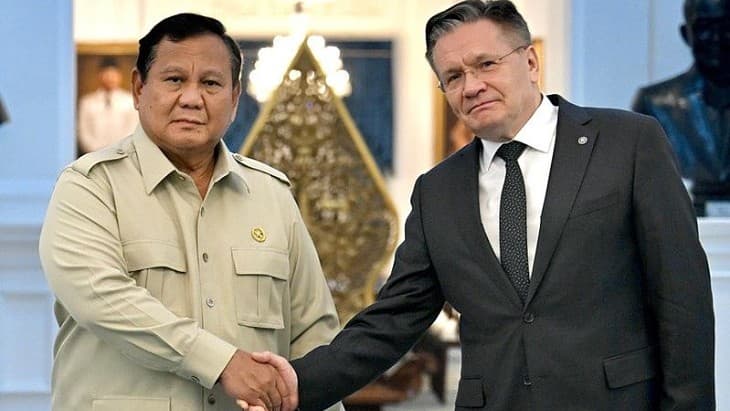
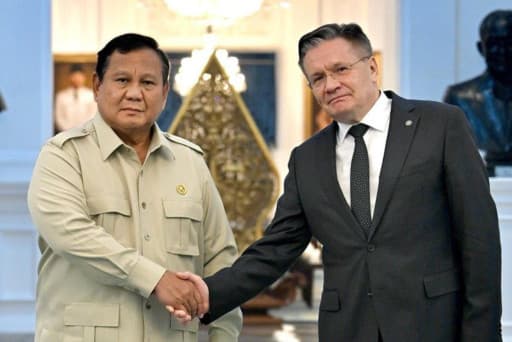
Russia’s offer to Indonesia went well beyond a one-reactor sales pitch. Rosatom chief Alexei Likhachev said Moscow is ready to help build out a full nuclear program for Jakarta, from gigawatt-scale units to small modular reactors and floating power plants, after meetings with President Prabowo Subianto, the energy minister and PT PLN’s leadership.
The language was cooperative and broad, with Likhachev framing the exchange as one built on trust and mutual respect. He said the point was not only to sell hardware, but to help create a new industry in Indonesia. That matters because the most difficult part of newcomer nuclear programs is rarely the vendor pitch. It is the chain that follows: site selection, grid studies, licensing, financing, workforce training and a regulator that can keep pace with the build.
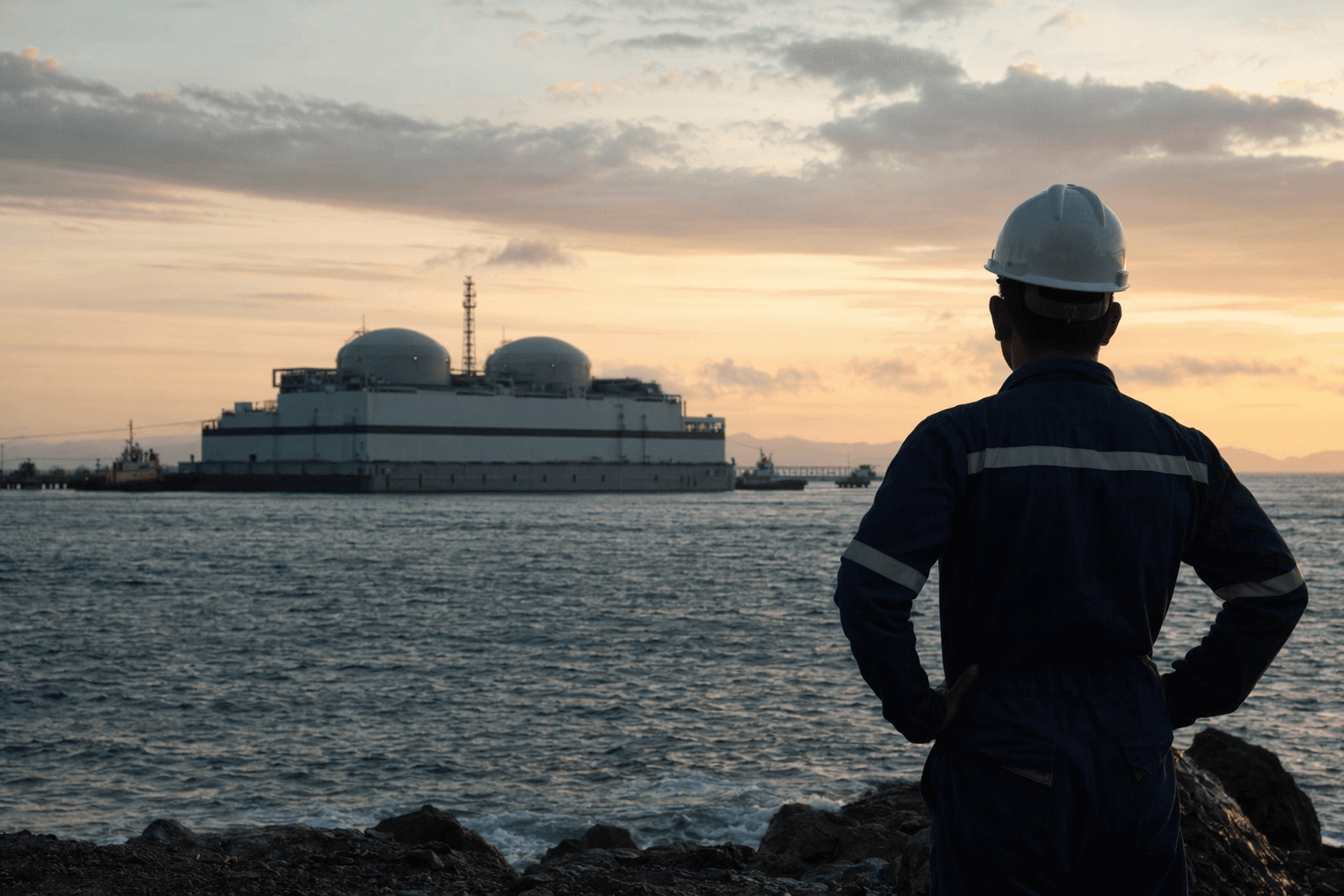
Indonesia’s archipelagic geography makes that chain more complicated. Any serious nuclear plan has to account for many islands, separated load centers, transmission constraints and operating logistics, not just reactor type. That is why Russia’s floating plant option and small modular reactor pitch are notable, but still only part of the picture. A floating unit or SMR may fit dispersed demand better than a single large station, yet neither avoids the need for formal planning, regulatory review and long-term institutional capacity.
Jakarta has been signaling ambition for years. In October 2025, Deputy Energy and Mineral Resources Minister Yuliot Tanjung said Indonesia aimed to run its first nuclear power plant by 2032 and to reach 44 gigawatts of nuclear capacity by 2060, including 35 gigawatts for electricity and 9 gigawatts for hydrogen production. He also cited the country’s three research reactors, in Bandung, Yogyakarta and South Tangerang, plus legal pillars including Law No. 10 of 1967 and Government Regulation No. 40 of 2025 on National Energy Policy. He put the cost of a single plant at around $3.8 billion and the build time at four to five years.
For all the diplomatic activity, the clearest momentum has come from the domestic side. BAPETEN launched a FIRST workshop with the United States and Japan on March 3-5, 2026 to work through SMR policy, regulation, human resources, supply chains and stakeholder engagement. BAPETEN also approved site evaluation for ThorCon 500 on Kelasa Island in Bangka Belitung on July 30, 2025, after a January 21 application, while PLN Nusantara Power and ThorCon International signed an MoU on July 24, 2025 for a feasibility study. PLN’s Institute of Technology also launched GINEST in June 2025 to build nuclear capacity. Russia’s pitch is real, but so far it looks more like another serious contestant entering a crowded field than a clean break into construction.
Know something we missed? Have a correction or additional information?
Submit a Tip