NRC posts Cooper Nuclear Station license renewal application for review
The NRC opened Cooper’s second renewal filing to review, putting a 20-year extension path for Nebraska’s biggest single-unit generator into the formal licensing pipeline.
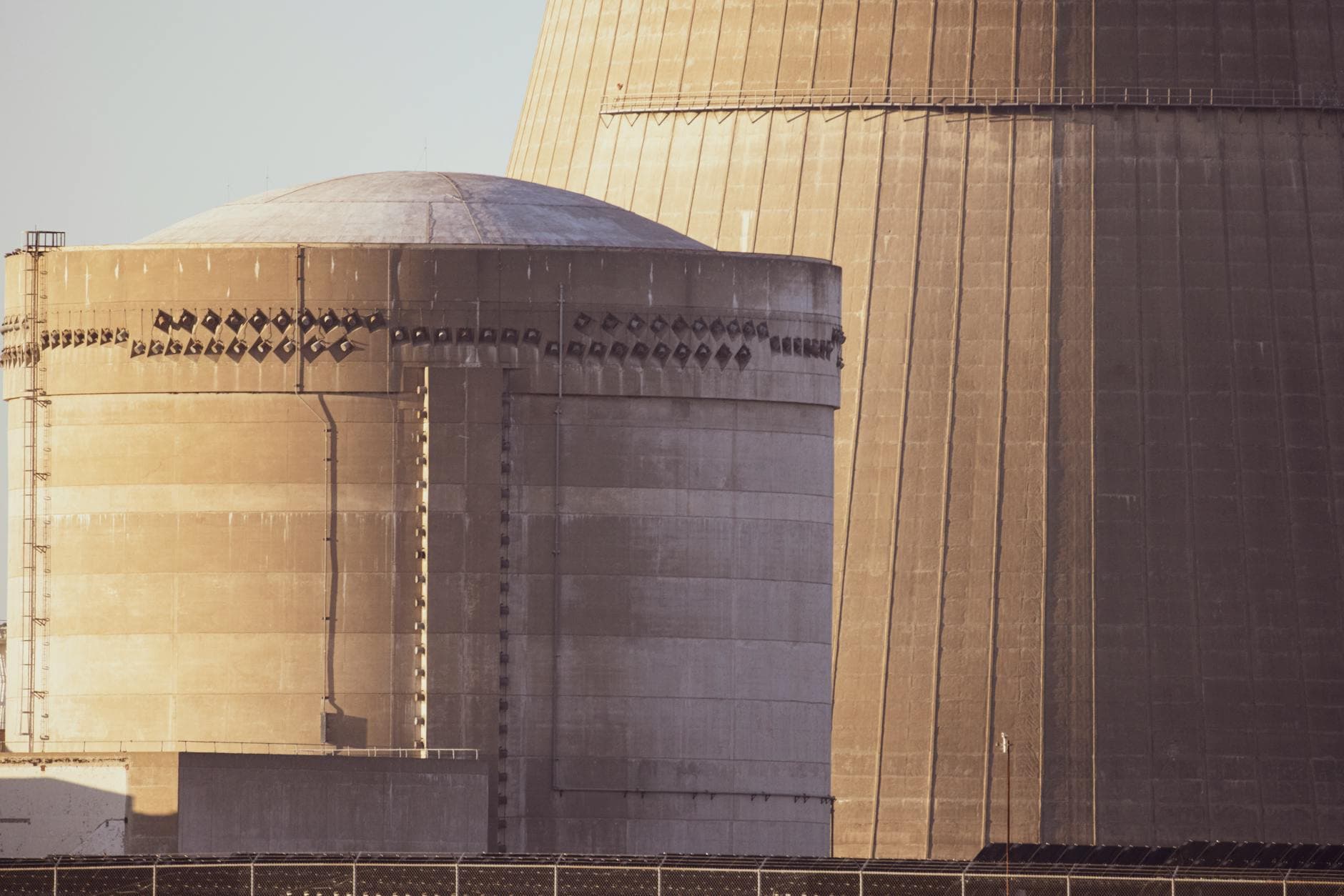
The Nuclear Regulatory Commission put Nebraska Public Power District’s subsequent license renewal application for Cooper Nuclear Station on public display, a procedural move that could eventually keep the Brownville reactor running to 2054 instead of stopping at its current January 18, 2034 expiration date.
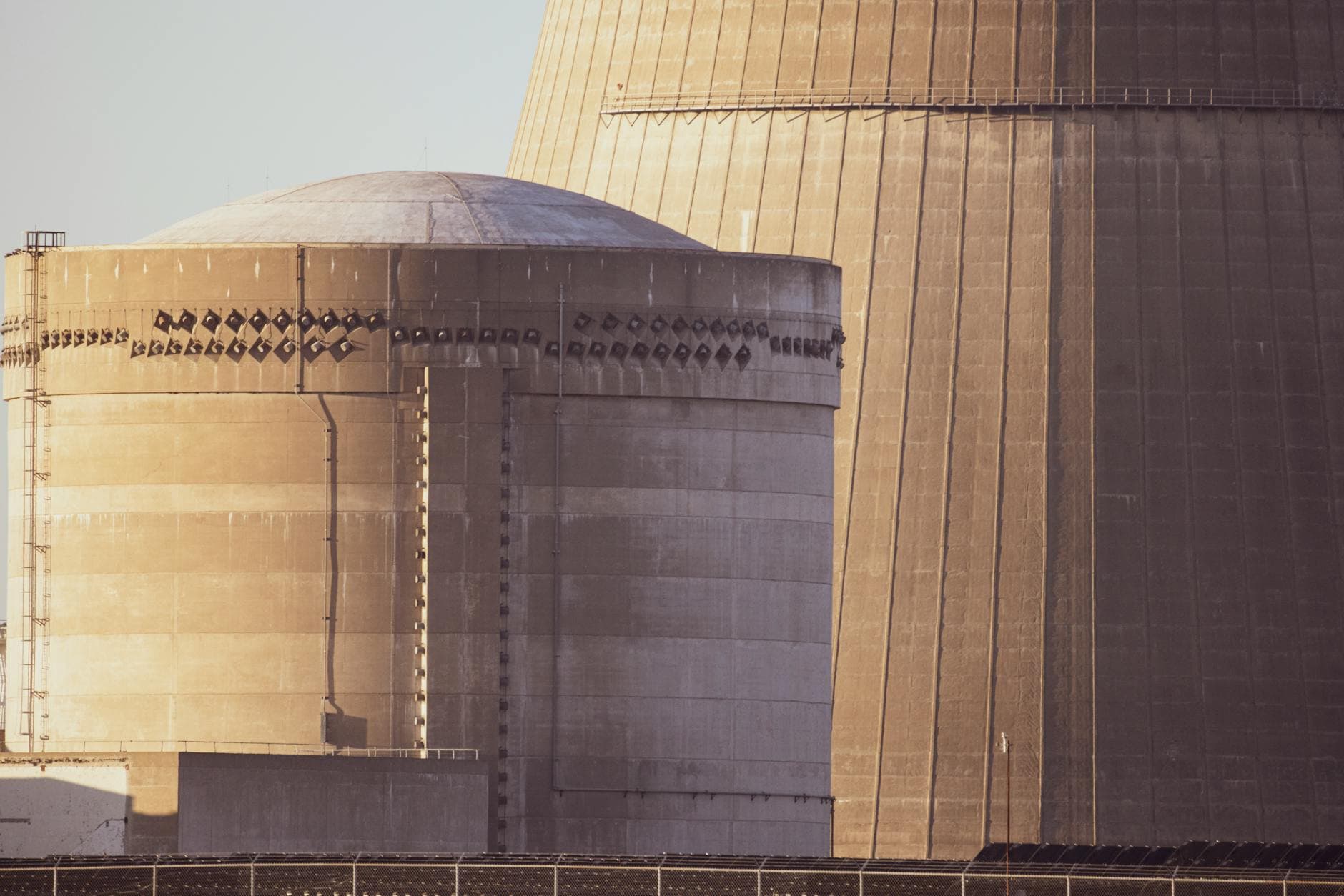
The filing matters because Cooper is not a paper exercise. NRC records identify it as a General Electric Type 4 boiling-water reactor with 2,419 MWt of licensed thermal power, and NPPD says the plant produces about 835 megawatts, enough electricity for more than 385,000 residential customers during the hottest summer. NPPD also says Cooper has generated about 275 million megawatt-hours of carbon-free electricity over five decades, making it one of the utility’s most important regional assets.
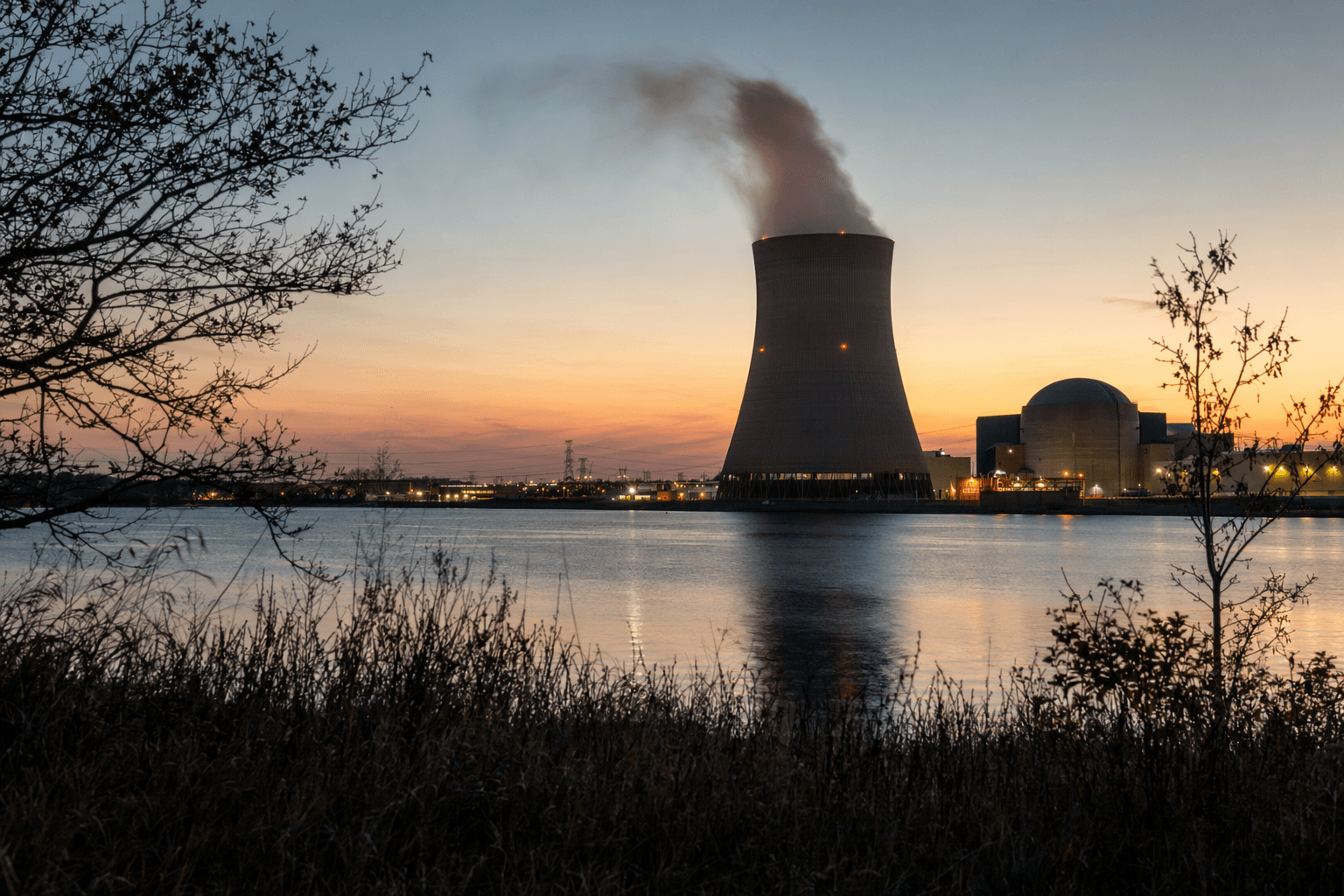
The NRC said the new application is being screened for completeness before detailed safety and environmental reviews begin. If staff docket the request, the agency will publish a notice of opportunity for a hearing before the Atomic Safety and Licensing Board Panel, the point at which outside parties can seek to enter the formal review process. That is the step that turns a utility filing into a live regulatory proceeding, with aging-management plans, safety analyses and environmental impacts all available for scrutiny.
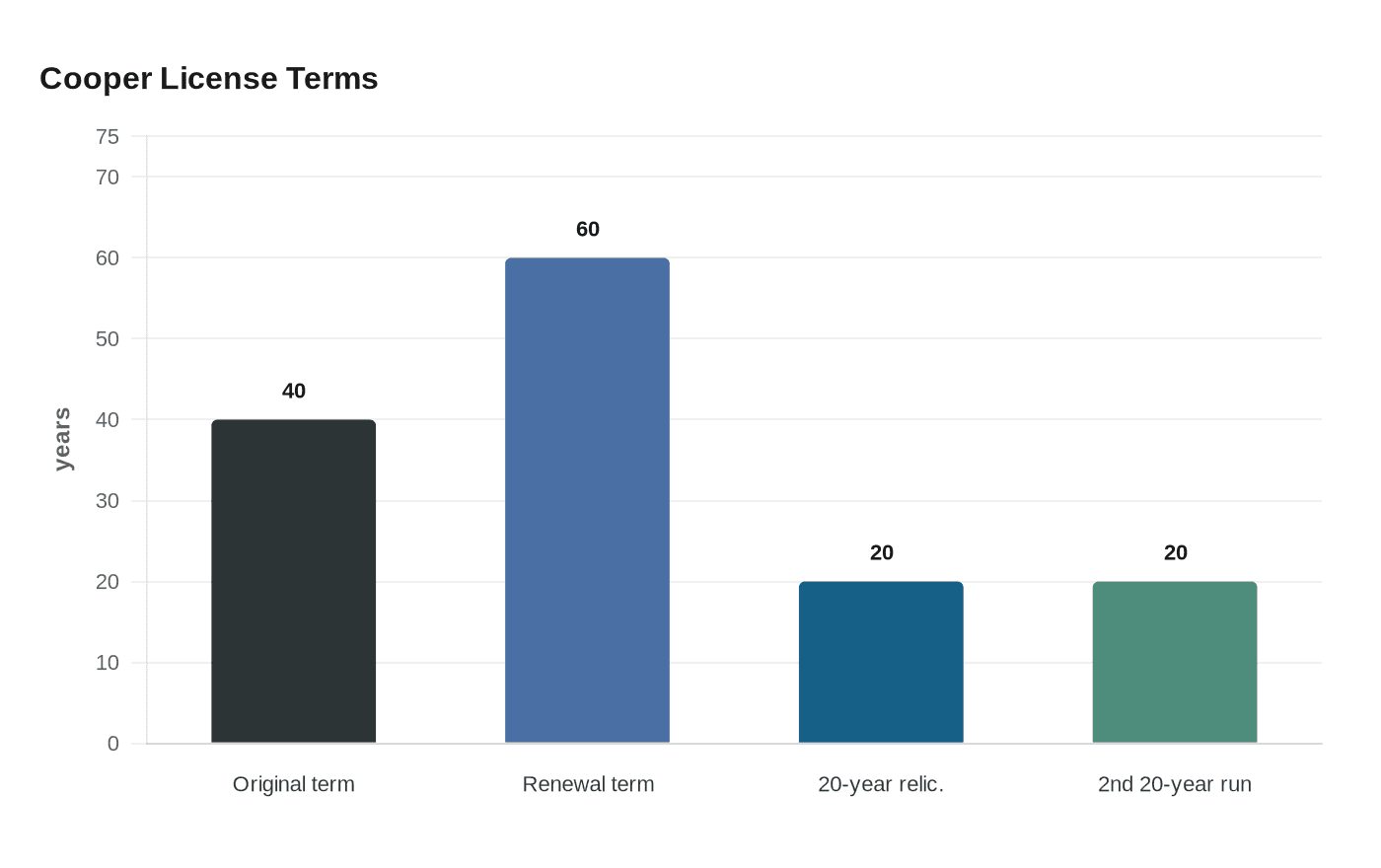
Cooper’s license history shows how far the plant has already traveled through that process. Its original operating license was issued on January 18, 1974. The first renewal, approved in November 2010, extended the operating term from 40 to 60 years and pushed the expiration date to January 18, 2034. NPPD’s board voted in February 2024 to pursue another 20-year relicensing, and the utility notified the NRC in April 2024 that it intended to submit the subsequent application.
That broader push fits a national pattern. Subsequent license renewal has become one of the main ways the U.S. keeps large existing reactors online while preserving carbon-free generation and system reliability, especially as utilities and regulators spend more time on aging infrastructure, inspection planning and extended operations rather than waiting years for new build projects to materialize.
The NRC said the Cooper application is available on its website and in paper form at libraries in Auburn, Nebraska, and Rock Port, Missouri, underscoring how far the plant’s regulatory reach extends beyond Brownville itself. For Cooper, the posting was not the finish line. It was the moment a second 20-year run moved from utility planning into the formal NRC queue.
Know something we missed? Have a correction or additional information?
Submit a Tip