Holtec signs Rwanda deal to develop SMR-300 reactors, up to 5 GW
Holtec moved Rwanda’s nuclear plan from policy talk to a development track, with a deal that could scale to about 5 GW.
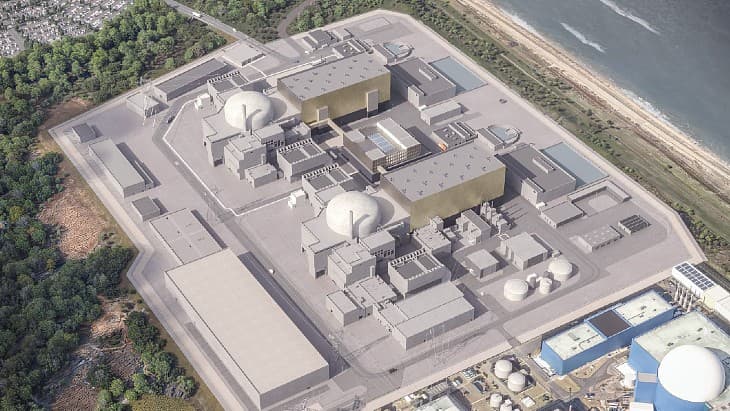
Holtec International and Rwanda’s Atomic Energy Board have pushed Rwanda’s nuclear program out of the memorandum stage and into a development track, signing a comprehensive agreement to advance deployment of Holtec’s SMR-300 units in the country. The stated concept reaches as high as about 5 GW, a scale that would be transformative for Rwanda’s power system and would put Kigali among the earliest African capitals trying to turn small modular reactors from pitch deck to grid asset.
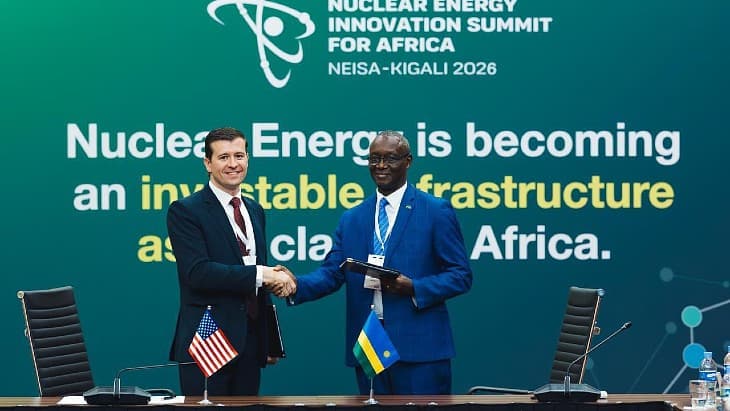
The deal landed in the middle of the Nuclear Energy Innovation Summit on Africa, which met May 18 to 21 in Kigali under the banner “Turning Nuclear Energy Ambition into Investable Reality.” The same Kigali gathering also produced a civil nuclear cooperation memorandum of understanding between the United States and Rwanda on May 19, signed for the U.S. by Renee Sonderman and for Rwanda by Dr. Usta Kaitesi. The U.S. Embassy said that agreement was meant to support long-term cooperation on civil nuclear energy and high standards of safety, security, and nonproliferation, while Holtec and RAEB’s separate development agreement was aimed directly at advancing the SMR-300 program.
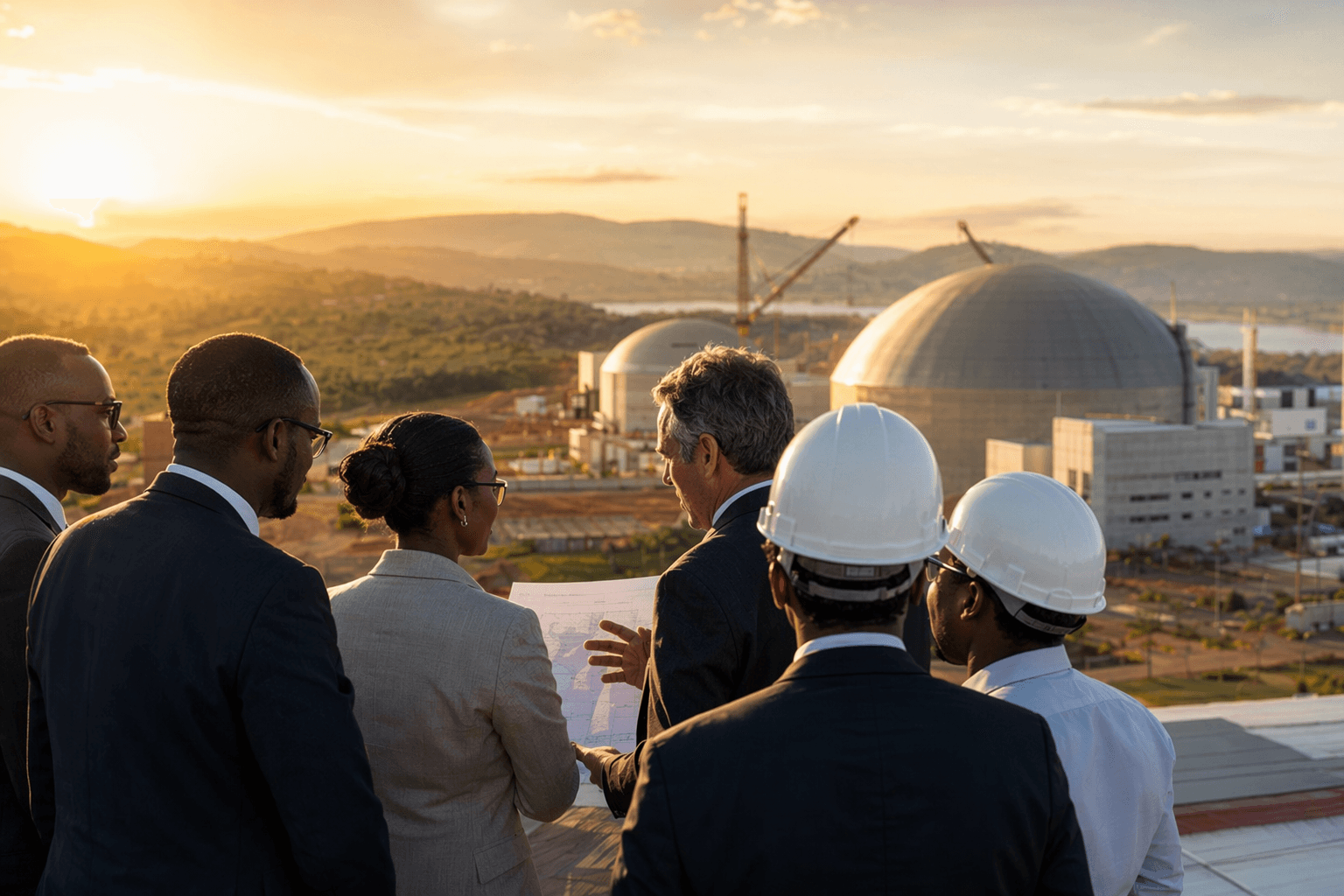
That combination matters because Rwanda is not starting from zero. The Rwanda Atomic Energy Board was established by Presidential Order 127/2020, which took effect in December 2020, and the International Atomic Energy Agency has noted that Rwanda’s nuclear power programme is being developed under that order. RAEB’s public role is clear: it is the promoter and implementing organization for the country’s nuclear programme. With the summit, the U.S. cooperation memorandum, and the Holtec agreement all landing together, Kigali is signaling that it wants more than vendor interest. It wants the regulatory and diplomatic scaffolding that first-of-a-kind nuclear projects require.

The scale of the ambition is still far ahead of Rwanda’s current grid. Rwanda Energy Group says the country’s installed electricity generation capacity is 332.6 MW, with 51% from thermal plants, 43.9% from hydro, and 4.2% from solar. A Ministry of Infrastructure report put installed capacity at 406.402 MW by the end of June 2024, while peak demand hit 233.74 MW on June 13, 2024. Against that backdrop, a 5 GW SMR concept is not a near-term plant order; it is a multi-decade buildout that would demand site selection, licensing, fuel logistics, financing, grid integration, and a much larger trained workforce than Rwanda has today.
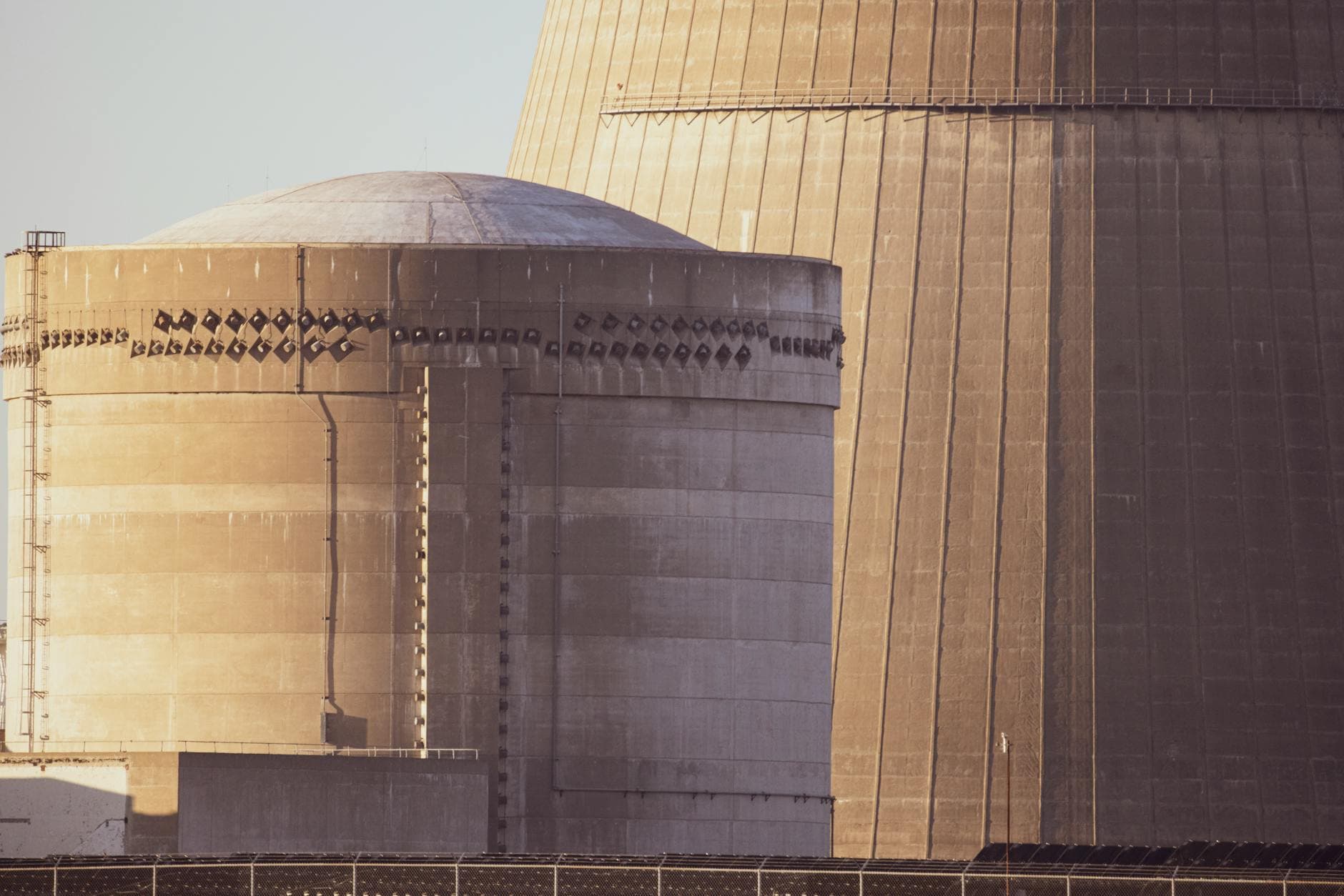
That is why the real milestone here is not concrete or steel. It is that Rwanda has moved from nuclear aspiration to a defined pathway, with a vendor, a national atomic energy board, and international cooperation all now pointing in the same direction. If the SMR-300 ever reaches deployment, the hard work will be proving that Rwanda can license it, staff it, fuel it, and connect it to a grid still measured in hundreds of megawatts, not gigawatts.
Know something we missed? Have a correction or additional information?
Submit a Tip