UK watchdog warns Sizewell C financing model needs close monitoring
The NAO says Sizewell C’s costs must be watched closely as household bills start rising before the reactor makes power, testing whether the RAB model can keep public trust.
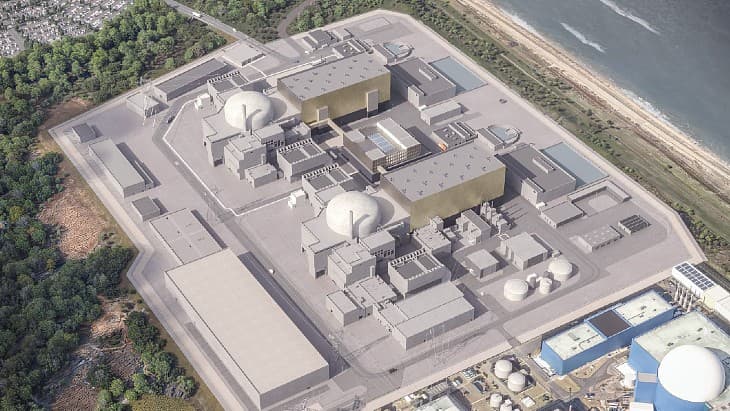
The National Audit Office has put Sizewell C on a short leash before a single turbine turns, warning that the plant’s financing model needs close monitoring now that consumers are already exposed to costs. The watchdog says the project is being sold as a long-term gain for bills and the wider power system, but the early charge to households is the price of proving whether Britain’s first nuclear RAB project can hold together in the real world.
The report, published on 20 May 2026, says Sizewell C is planned as a two-unit EPR plant in Suffolk with 3.2 GW of capacity, enough to supply the equivalent of about 6 million homes. It is expected to start producing electricity from 2038, complete by summer 2039, and run for at least 60 years, making it the second new nuclear station built in the UK since the 1990s after Hinkley Point C.
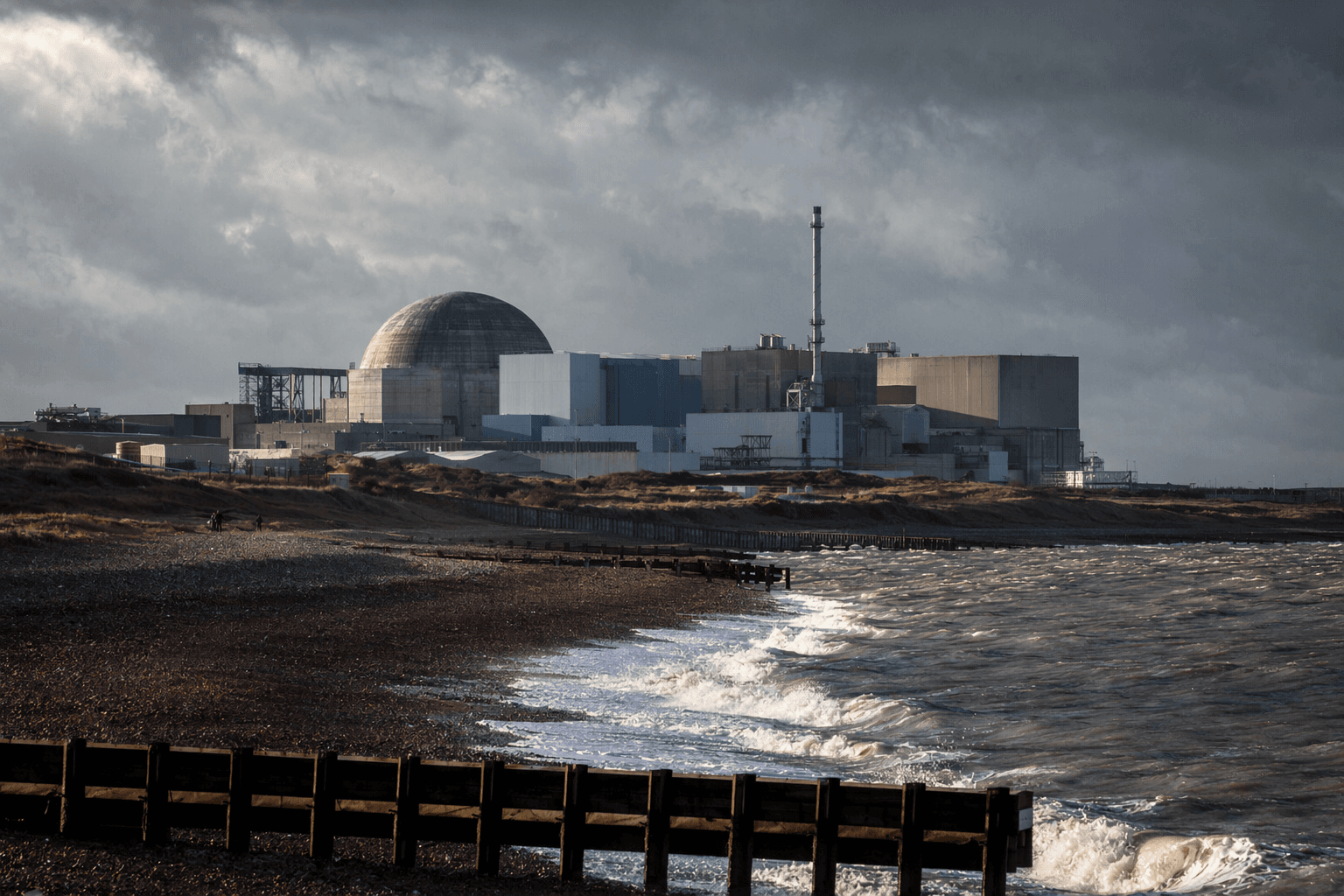
At the centre of the scrutiny is the Regulated Asset Base model, under which consumers begin paying during construction rather than waiting for first power, as they did under the Contracts for Difference approach. The Department for Energy Security and Net Zero has paired that model with a joint venture, government support package and heavy state financing. Financial close came on 4 November 2025, after the final investment decision on 22 July 2025, and the capital-raise process began in September 2023.
The NAO says the tradeoff is stark. It estimates investor returns may cost consumers more than £4 billion, while household electricity bills could rise by about £4 in 2025-26 and then by £17 to £19 a year by the time the plant opens. The office also says the longer-term benefits may not outweigh those consumer costs until after 2060, even though ministers argue the plant could lower costs across the low-carbon electricity system.
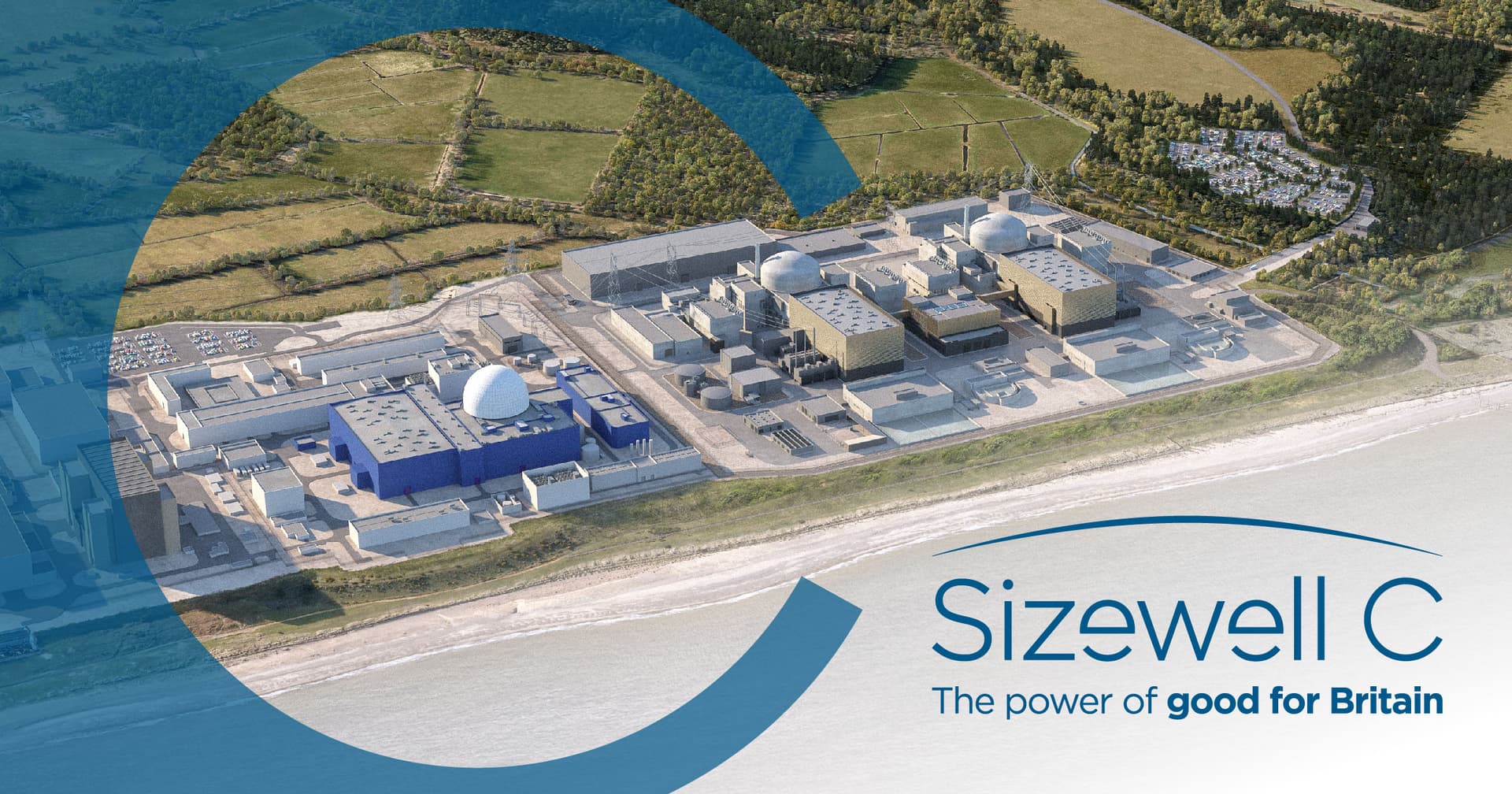
That is why the warning lands as more than a routine audit note. Sizewell C is being presented as a test case for future UK nuclear builds, with the government saying it could support 10,000 jobs at peak construction, create 1,500 apprenticeships and deliver £2 billion a year in system savings once operating. EDF says it will invest up to £1.1 billion for a 12.5% stake, alongside ownership from the UK government, La Caisse, Centrica and Amber Infrastructure. If the project keeps its cost and schedule promises, the model may win credibility; if it slips, Sizewell C could become the benchmark for how quickly public trust in British nuclear financing can unravel.
Know something we missed? Have a correction or additional information?
Submit a Tip