Saskatchewan and Czech Republic forge nuclear pact on SMRs and talent links
A Saskatchewan-Czech nuclear pact put SMRs, MMRs and talent training on the table, with the first test being whether it moves beyond symbolism.
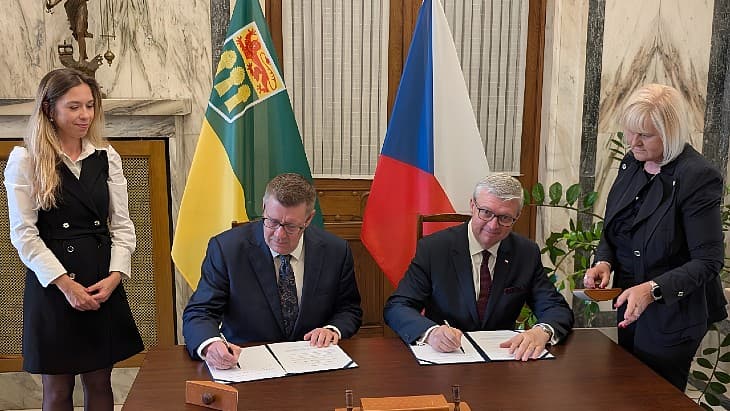
Saskatchewan and the Czech Republic used a June 15 clean-energy pact to probe a bigger question: can cross-border SMR and MMR cooperation actually move Saskatchewan toward deployment, or is this just diplomatic theater? The memorandum of understanding tied together uranium-rich Saskatchewan, which has no operating power reactors of its own, with a Czech nuclear system that already runs commercial reactors and is still pushing into the next generation of units.
The Saskatchewan side brings serious industrial leverage. The province holds some of the world’s highest-grade uranium mines, and Saskatchewan is already part of a four-province SMR strategic plan. SaskPower has also begun the formal process of evaluating large reactor technologies, which gives the new agreement a practical edge. Instead of stopping at broad clean-energy language, the two sides are now talking about knowledge sharing, joint projects, talent development and educational programs, along with renewable energy and carbon capture. Signed during Saskatchewan’s trade and investment mission to the EU, the deal fits neatly into a wider push to turn resource strength into an exportable nuclear role.

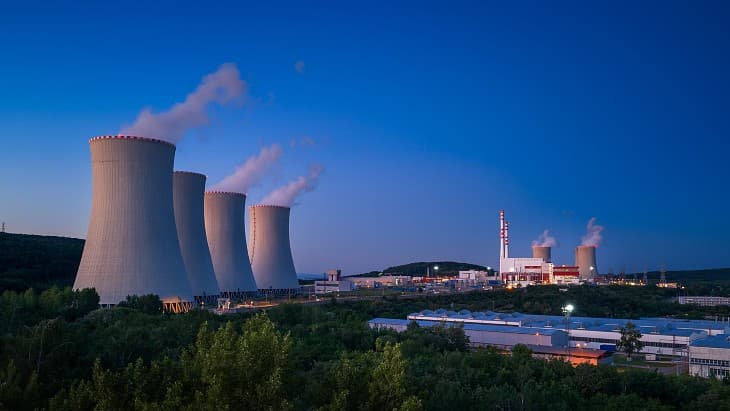
The Czech Republic brings a different kind of value: operating experience. Roughly one-third of its electricity comes from four VVER-440 units at Dukovany and two units at Temelín, and the country is planning additional large reactors while also pursuing SMRs. ČEZ selected Rolls-Royce SMR in 2024 for up to 3 GW of capacity, and ČEZ is taking a 20% stake in the company. That makes the Czech side more than a policy partner. It is a country with grid-facing nuclear experience, vendor ties and a clearer view of what it takes to move from concept to construction.
That is why the first practical outputs matter more than the signing ceremony. The real indicators will be whether the two sides translate the memorandum into fuel supply discussions, licensing cooperation, siting work, vendor partnerships or pilot timelines. Saskatchewan needs a path from uranium production and industrial capacity to reactor deployment, while the Czech Republic gains access to North American supply-chain and clean-energy relationships. If the pact produces those links, it will look less like a symbolic photo opportunity and more like an early commercialization step.
This article was produced by Prism’s automated news system from verified source data, official records, and press releases, then run through automated quality and moderation checks before publishing. The system is built and supervised by the people who set the standards it runs under. Read our full AI policy.
Did this article answer your question?