Simulations show laser-driven plasmas self-generate magnetic fields in fusion experiments
Princeton physicists found laser-heated plasma can build its own magnetic field, reaching 40 tesla and changing how fusion shots move heat.
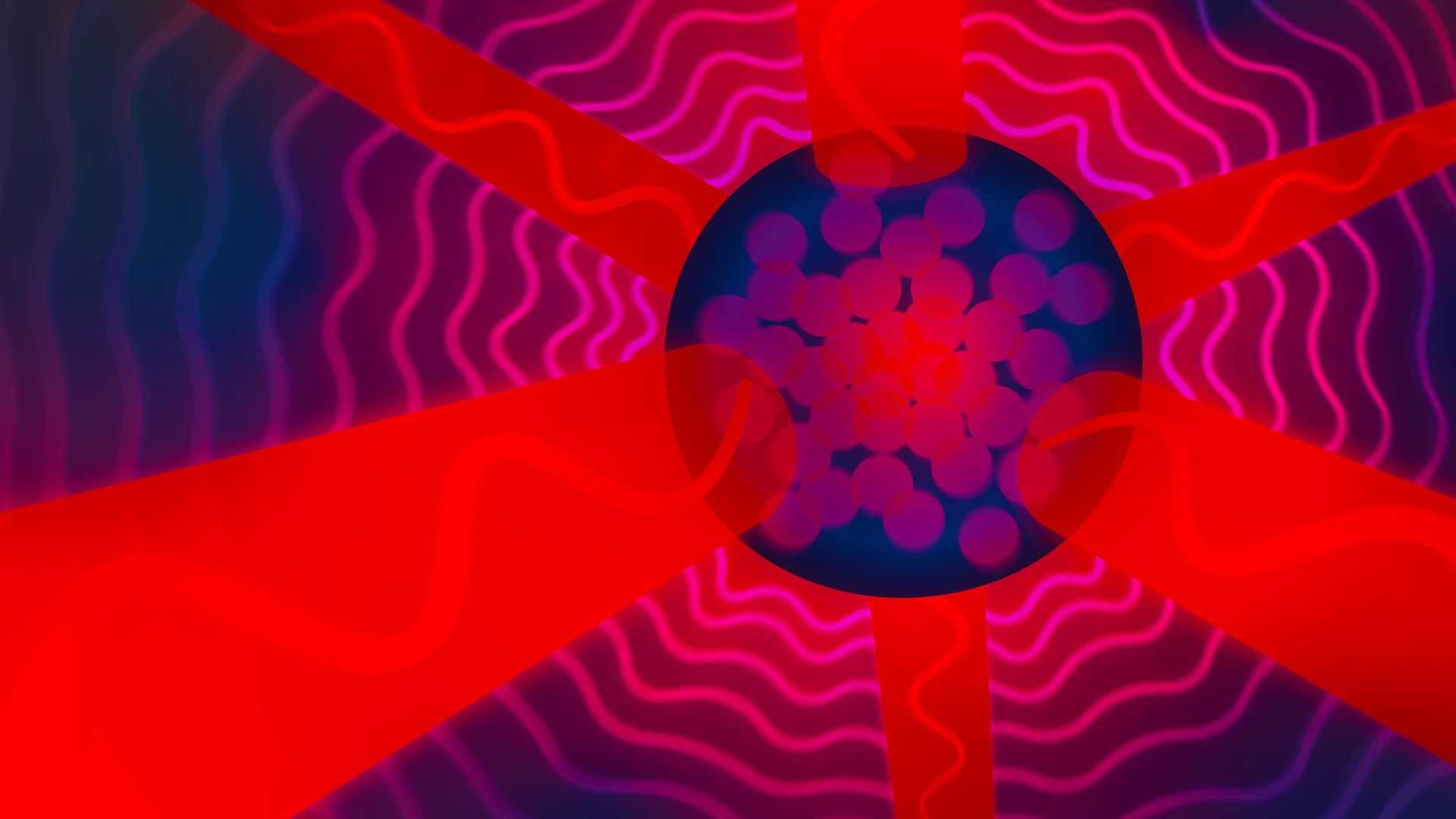
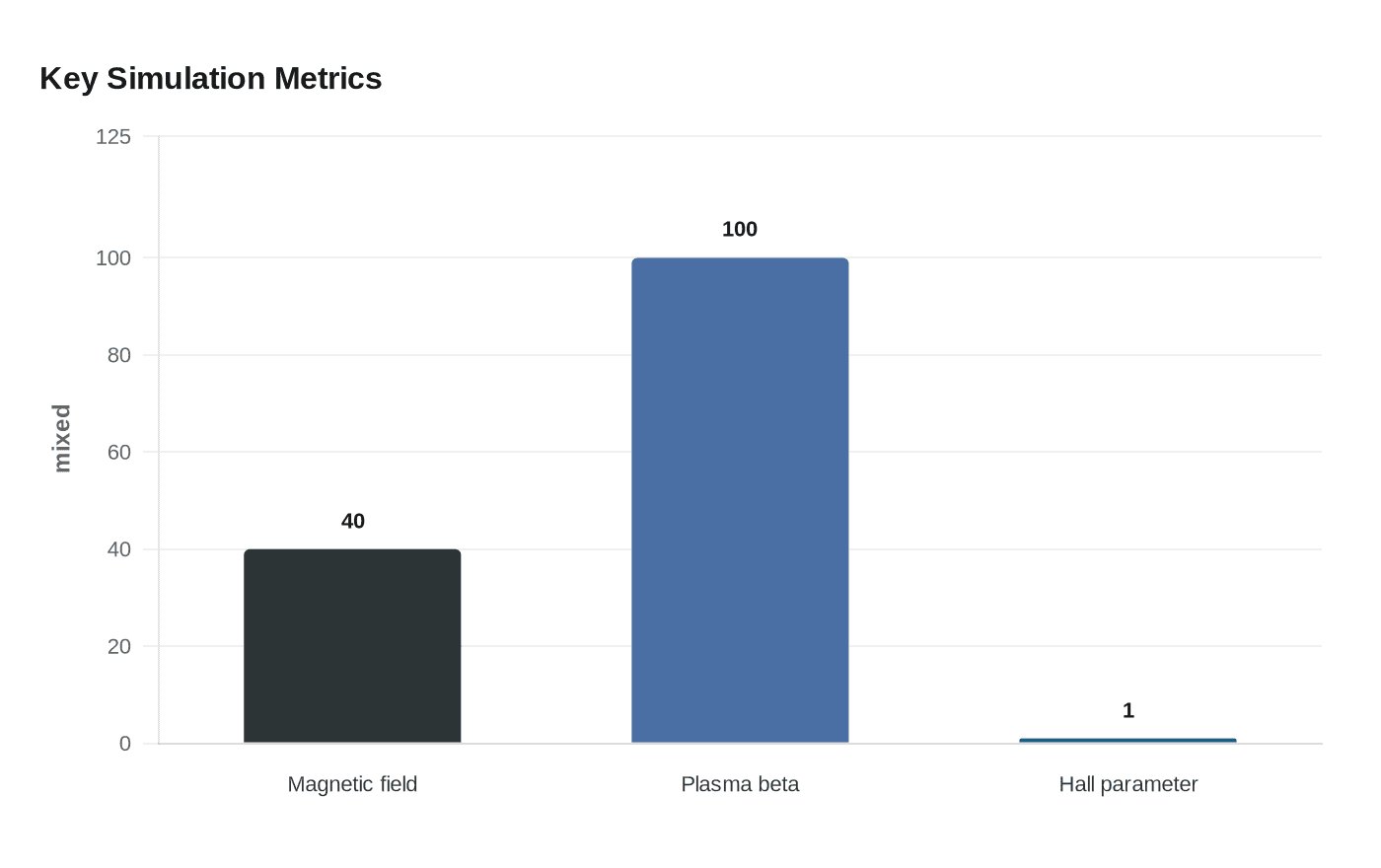
A laser-blasted plasma can become its own magnet fast enough to reshape the physics of a fusion shot. Princeton Plasma Physics Laboratory simulations show that once the laser intensity crosses a critical threshold, an expanding aluminum plasma self-magnetized within the first few hundred picoseconds, building fields as strong as 40 tesla, about one million times Earth’s field.
The study, published in Physical Review Letters on March 20, 2026, tackles a problem that had lingered in high-energy-density experiments: multiple shots had already produced ion-scale magnetic filaments of megagauss strength, but no one agreed on where they came from. Kirill Lezhnin and colleagues found that the answer can be built into the expansion itself. As the plasma races outward, it cools faster along its motion than across it, creating the temperature anisotropy that feeds the Weibel instability. Collisions try to smooth that imbalance away, but above threshold the instability wins and the plasma rapidly self-magnetizes.
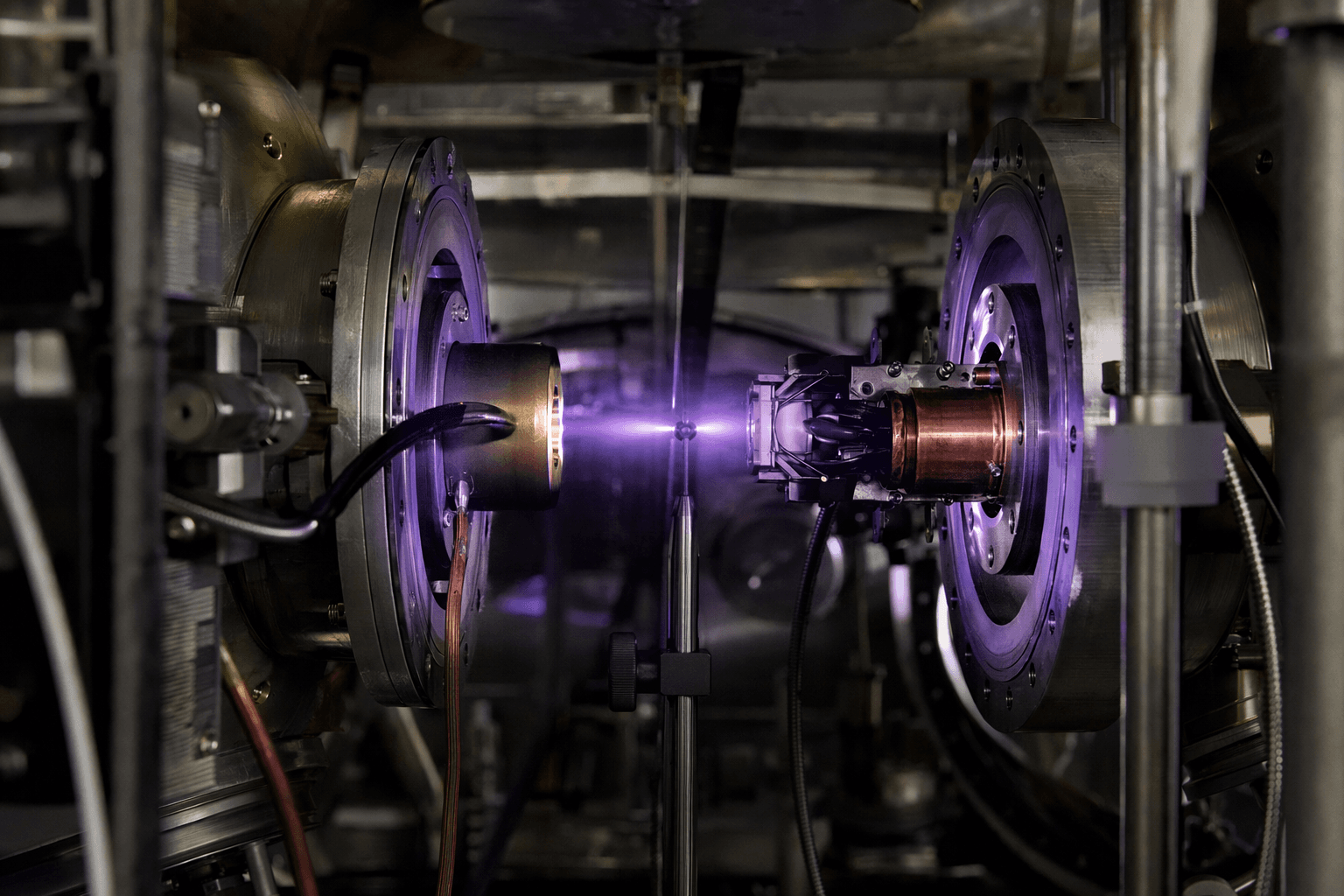
That matters because the magnetic state is not a side effect. The simulations reached plasma beta near 100 and a Hall parameter, cee, above 1, both markers that the field was strong enough to influence transport. In a conference abstract from November 19, 2025, Lezhnin reported that the magnetic field was already strong enough to modify heat transport and change the electron temperature profile relative to an unmagnetized simulation. The new paper extends that result with a uniform transverse laser intensity profile, the kind of drive relevant to directly driven high-energy-density systems such as those using OMEGA Laser Facility and the National Ignition Facility.
The supplemental material adds kinetic simulation setup, convergence studies, laser absorption tests, finite-spot effects, and an analytical model for how the anisotropy develops. That combination gives researchers a sharper mental model of what a direct-drive implosion is really doing after the laser hits. If self-generated magnetization is common in these shots, then the heat flow used in target design calculations may need to be revised, and some past experiments may have to be reinterpreted with magnetic transport in mind.
The implications reach beyond one target material or one laboratory. PPPL describes high-energy-density plasmas as some of the most extreme states of matter made on Earth, and Lawrence Livermore National Laboratory has tied the December 2022 NIF ignition result to more than 60 years of laser-driven inertial confinement fusion work. In that context, the Princeton result gives fusion researchers something practical: a measurable magnetic threshold, a predicted timing window, and a warning that even a uniform laser drive can generate fields strong enough to change how a capsule behaves on the way to ignition.
This article was produced by Prism’s automated news system from verified source data, official records, and press releases, then run through automated quality and moderation checks before publishing. The system is built and supervised by the people who set the standards it runs under. Read our full AI policy.
Did this article answer your question?