South Korea to Explore Financing Vietnam Nuclear Power Projects
South Korea's state lenders and KEPCO opened talks on financing Vietnam's next nuclear push, as Hanoi revived Ninh Thuan and widened its partner search.
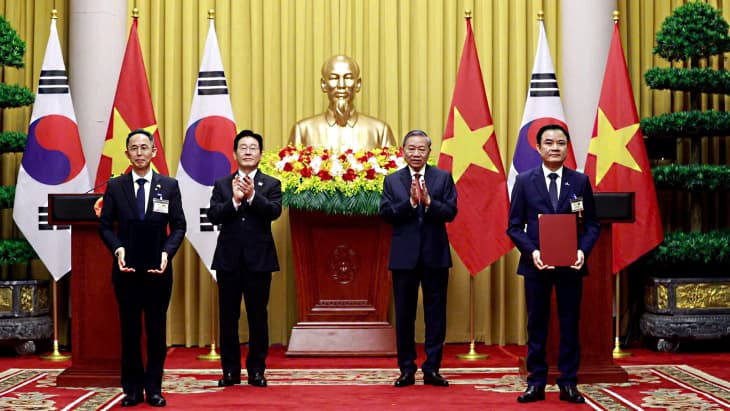
South Korean state lenders and a utility heavyweight have stepped directly into Vietnam’s nuclear comeback, agreeing to explore possible financing for reactor projects in a move that could shape which vendors and partners end up building the country’s next plants. The Export-Import Bank of Korea, Korea Trade Insurance Corporation, Korea Electric Power Corporation and Petrovietnam reached the understanding alongside a broader Vietnam-South Korea pledge to boost cooperation in nuclear energy and high-tech at a summit in Hanoi attended by To Lam and Lee Jae Myung.
The practical significance is not the diplomacy, but the financing stack. Nuclear projects do not move on optimism alone; they move when export credit, insurance, utility support and a state-backed buyer line up behind them. South Korea’s willingness to explore that role gives Hanoi another path beside the Russian cooperation already in place for its first reactors, and it widens the field at a moment when Vietnam is trying to turn years of paper plans into a credible build program.
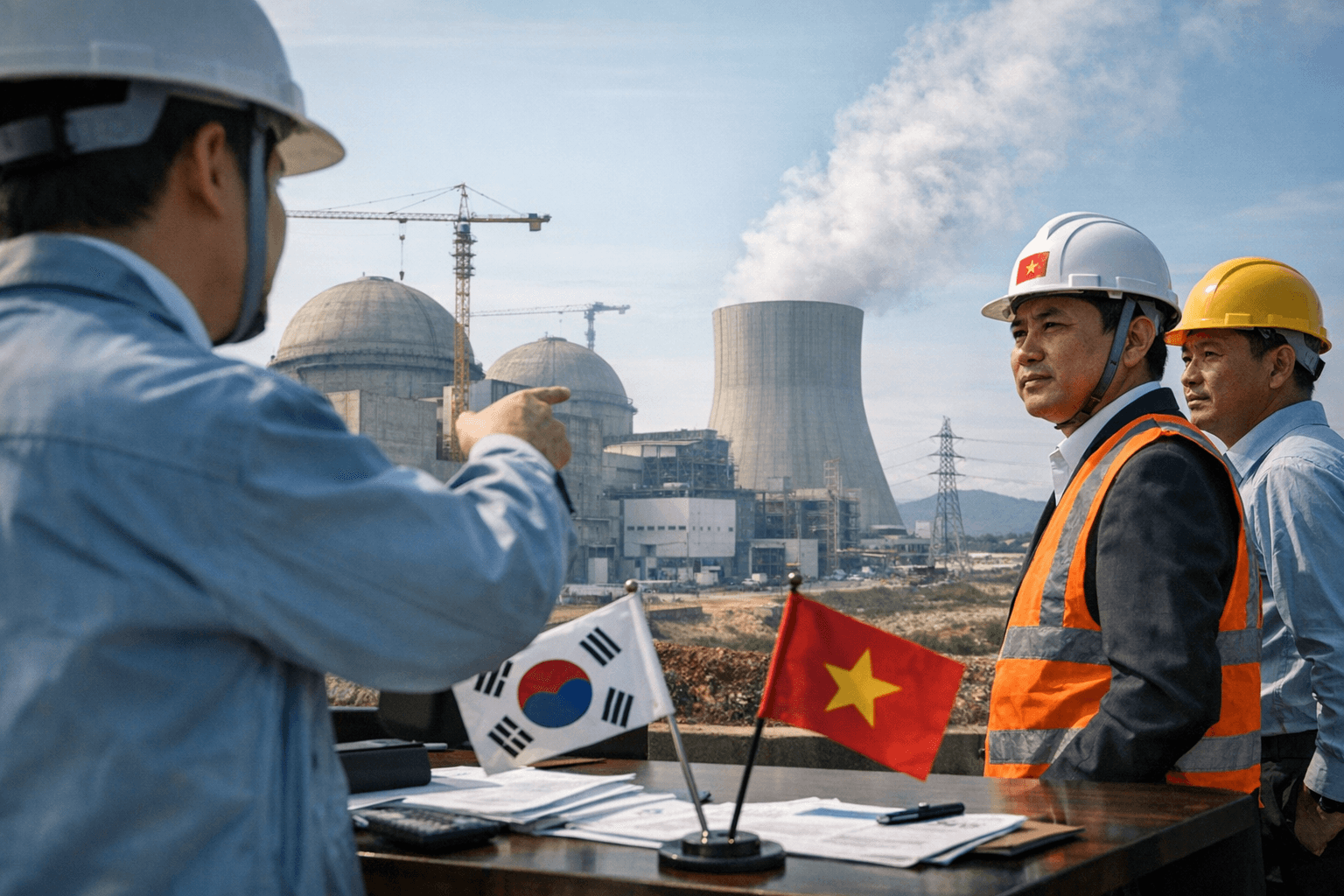
That matters because the country is still clearing the basic hurdles. On the same day, the International Atomic Energy Agency handed over its Phase 2 Integrated Nuclear Infrastructure Review report in Hanoi to Vu Hai Quan, with Mikhail Chudakov making the delivery. The agency says launching a nuclear power programme typically takes 10 to 15 years of preparatory work and a long-term commitment, a reminder that Vietnam is still assembling the institutions, financing and technical capacity needed to get from approvals to excavation and, eventually, construction.
The Ninh Thuan project has already been through one long cycle of boom, suspension and revival. Vietnam first approved the project in 2009, then suspended it in 2016 because of economic conditions and debt concerns. The National Assembly revived the plan in November 2024, and the new Law on Atomic Energy No. 94/2025/QH15 took effect on January 1, 2026, tightening the legal framework for safety, licensing, waste management and reactor development.
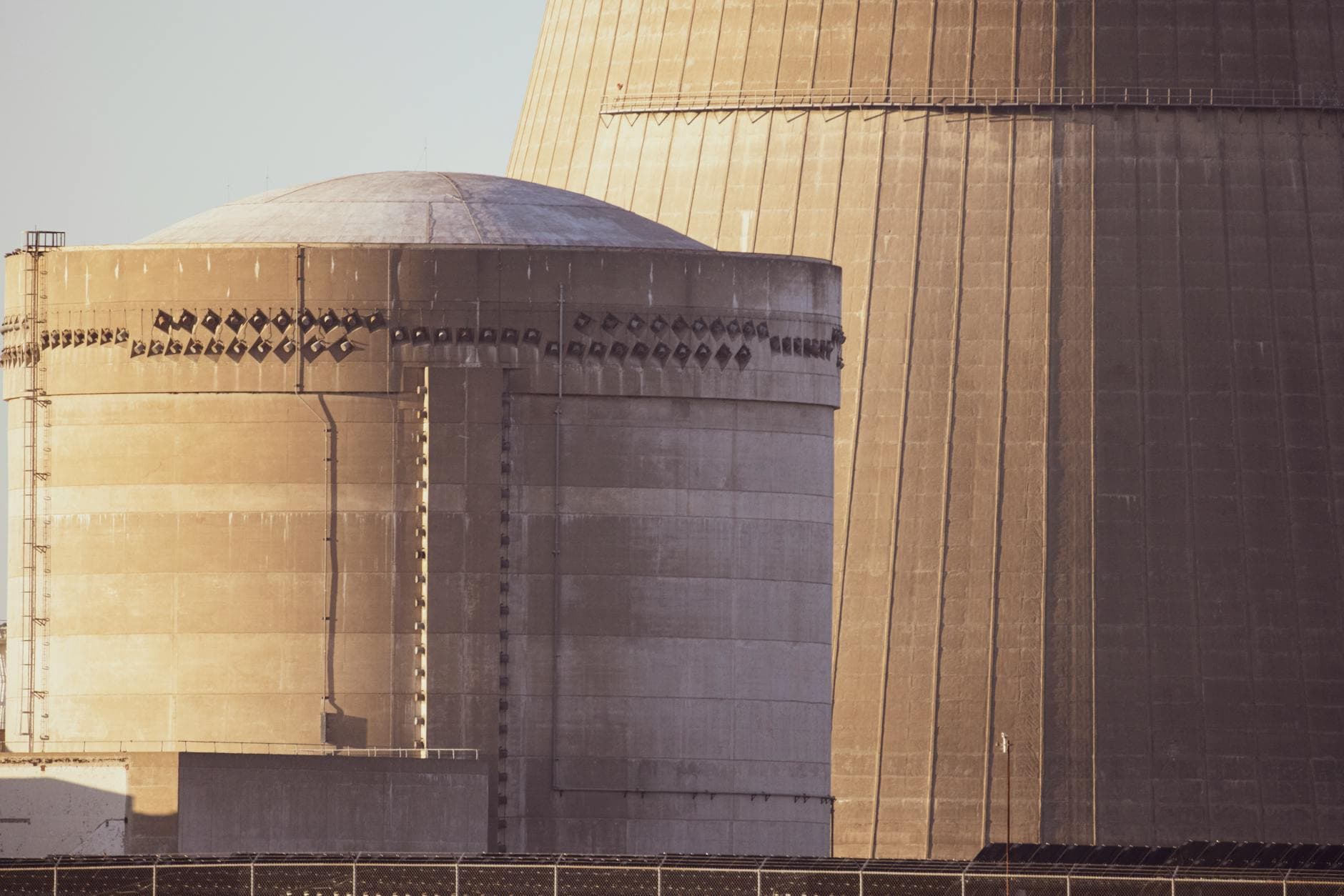
The project now centers on two sites: Ninh Thuan 1 in Phuoc Dinh commune, Thuan Nam district, and Ninh Thuan 2 in Vinh Hai commune, Ninh Hai district. IAEA and World Nuclear News reporting says Vietnam’s current target is to commission both plants in the 2030 to 2035 window, with combined capacity of roughly 4,000 to 6,400 MW depending on the final design. Japan’s withdrawal from Ninh Thuan 2 earlier in 2026 because the schedule was seen as too tight only sharpened the opening for other players, including French, South Korean and U.S. investors. That leaves Korea’s financing pitch looking less like a courtesy call and more like a test of whether Vietnam can finally assemble a bankable nuclear lineup.
This article was produced by Prism’s automated news system from verified source data, official records, and press releases, then run through automated quality and moderation checks before publishing. The system is built and supervised by the people who set the standards it runs under. Read our full AI policy.
Did this article answer your question?