TAG1, NRG Pallas expand lead-212 supply for cancer therapies
A 10.64-hour isotope with a one-hour daughter product is the bottleneck TAG1 and NRG Pallas are trying to clear for cancer therapy in Europe.
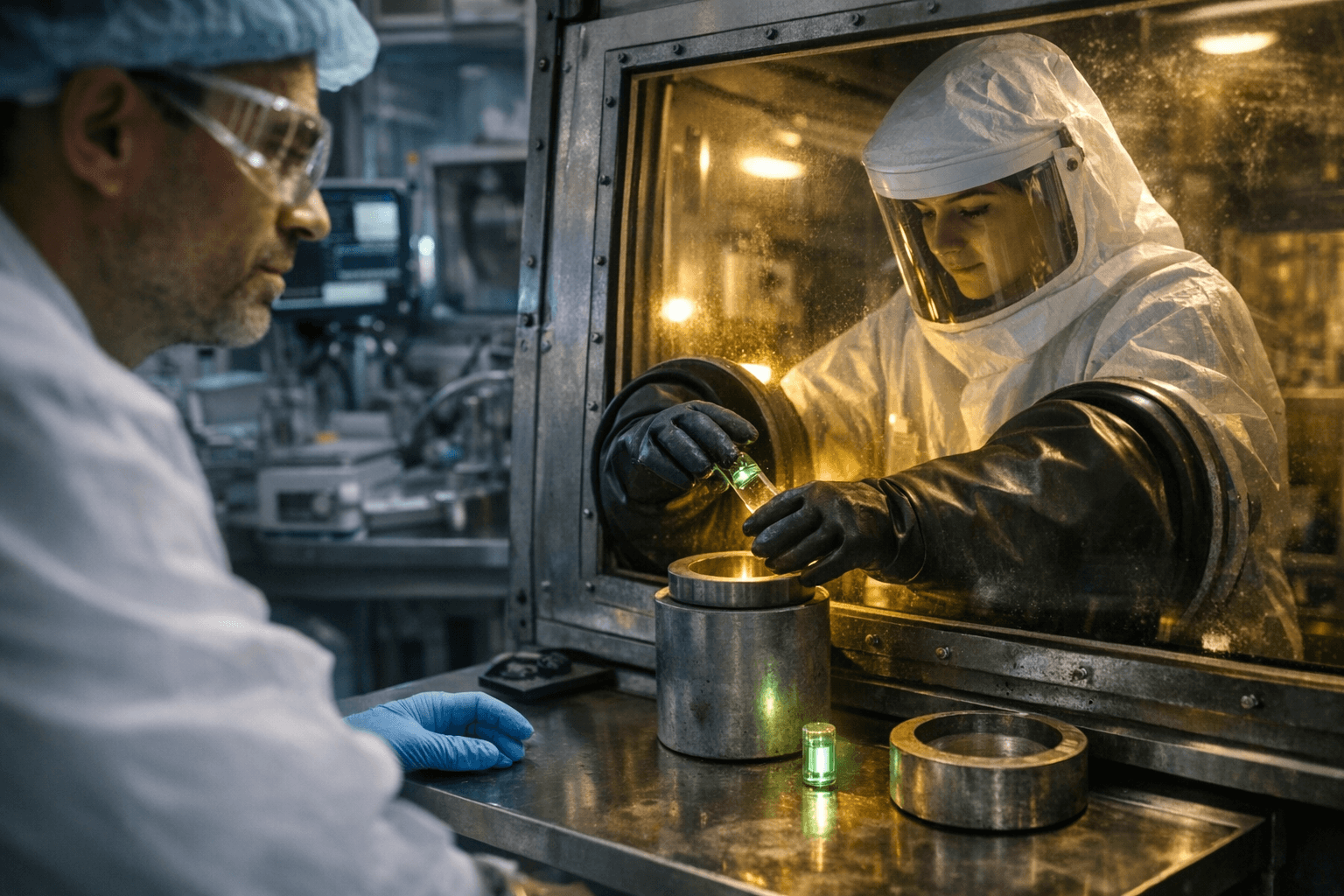
If lead-212 cannot get from reactor to clinic fast enough, promising cancer drugs stay stuck in development. TAG1 and NRG Pallas signed a letter of intent on April 22 to widen access to the isotope, a move aimed at turning a scarce radioactive supply chain into something closer to a dependable treatment pipeline.
Lead-212 matters because the clock starts ticking the moment it is produced. It has a half-life of 10.64 hours, and it decays to bismuth-212, which itself has a half-life of about one hour. That short window is exactly why generator-based systems are so important in targeted alpha therapy: the isotope has to be moved, prepared and used quickly enough to keep it clinically useful. DOE highlighted lead-212 and bismuth-212 as targets for targeted alpha therapy when it announced availability of radium-224 and lead-212 generators in 2015, and lead-212-based peptide-radiopharmaceuticals are now listed as an emerging class of targeted alpha-particle cancer therapies.
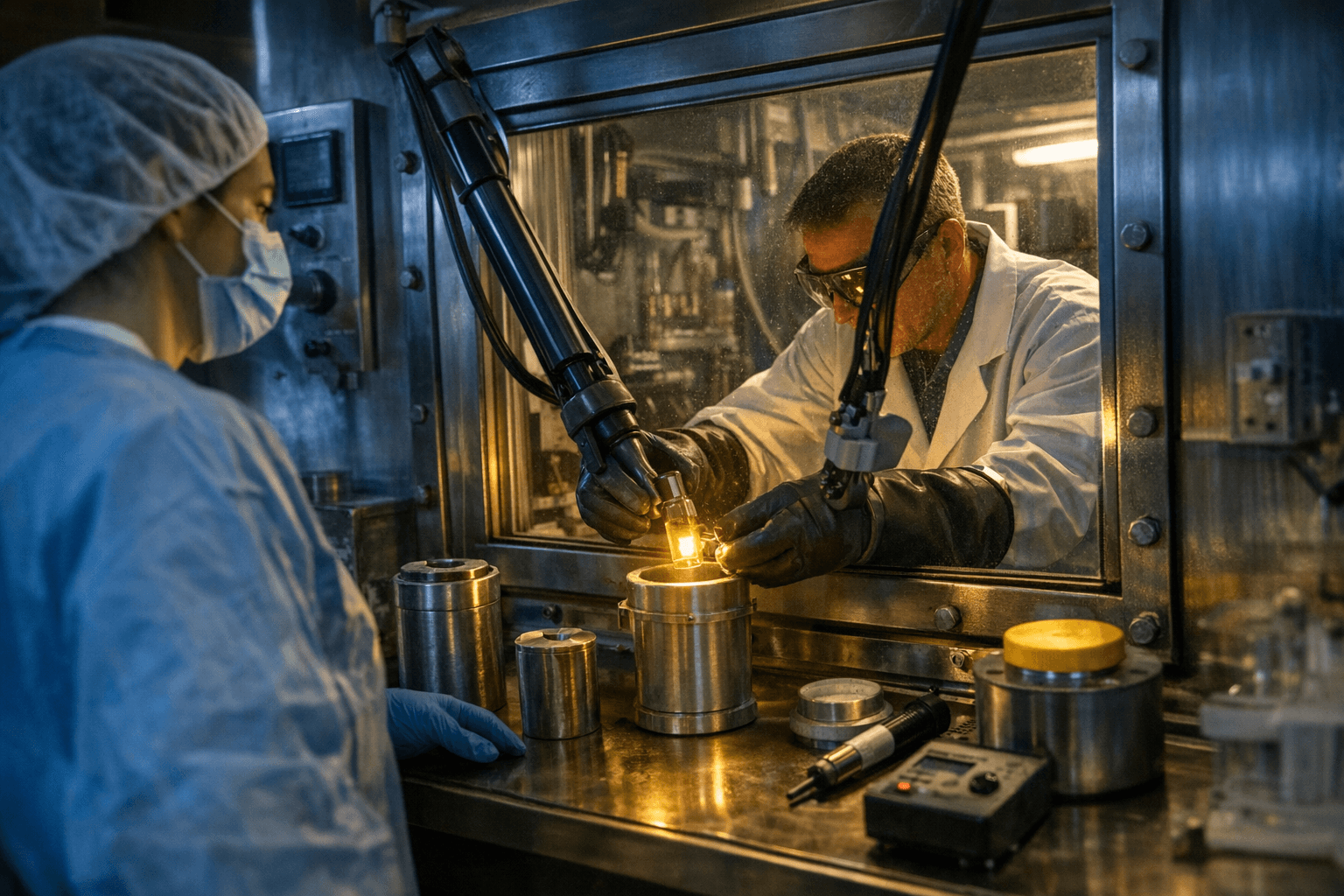
Under the new arrangement, TAG1 and NRG Pallas said they intend to combine TAG1’s portable Lead-212 generator with NRG Pallas’ radium-224 production to meet the supply challenges facing the field. The goal is to deliver pre-clinical and clinical quantities of lead-212 to cancer drug innovators across Europe, including therapeutic companies and hospital-based adult and pediatric oncology programs. TAG1 says its generator is designed for nuclear radiopharmacies, large hospital networks and research institutions that want to produce their own lead-212 from radium-224 on site.
The deal also builds on an existing supply relationship. NRG Pallas will continue delivering high-purity radium-224 to TAG1 until 2028, extending a chain that already includes a 2024 partnership on long-term Ra-224 and Pb-212 production for cancer therapeutics and a 2025 expansion aimed at European access to TAG1’s generator and more radium-224 supply. TAG1 called the new milestone an important step in finding new cures for cancer. NRG Pallas said the collaboration marked a meaningful step toward becoming a leading supplier of lead-212 in Europe.
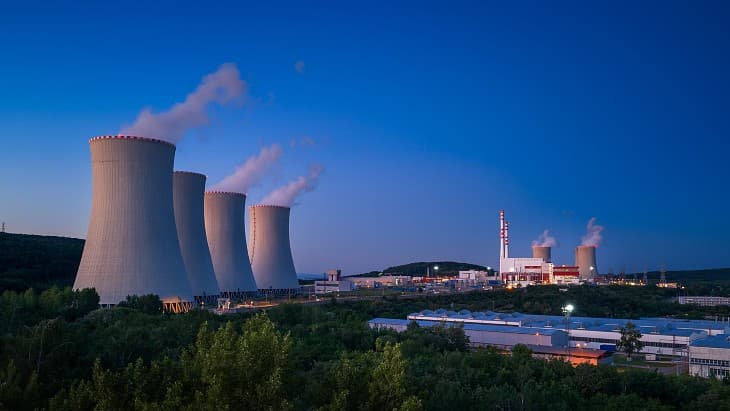
That ambition rests on real infrastructure, not just a press release. NRG Pallas produces medical isotopes at the High Flux Reactor in Petten, where the company says more than 30,000 patients rely every day on isotopes from the site. NRG Pallas says the reactor supplies two-thirds of Europe’s demand for these isotopes, accounts for 30% of worldwide production and provides 80% of the isotopes used in Dutch hospitals. To secure future supply, the Pallas reactor began construction in September 2025 after completion of a 50-metre by 50-metre, 17.5-metre-deep pit. For Europe’s isotope market, that makes this more than a cancer-drug partnership. It is another step in deciding which therapies can actually be manufactured, shipped and delivered on schedule.
This article was produced by Prism’s automated news system from verified source data, official records, and press releases, then run through automated quality and moderation checks before publishing. The system is built and supervised by the people who set the standards it runs under. Read our full AI policy.
Did this article answer your question?