Tennessee becomes first state to regulate nuclear fusion machines
Tennessee’s new fusion chapter took effect June 9, giving machine builders a first-ever state licensing lane for machines, processes and related work.
_22691.jpg&w=1920&q=75)
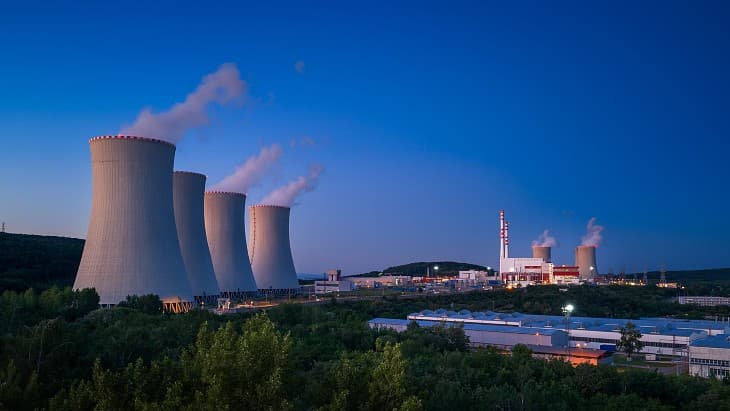
Fusion machine builders in Tennessee no longer have to guess where their projects fit. Chapter 0400-20-14 took effect June 9, making Tennessee the first state with rules written specifically for nuclear fusion machines and giving the state a registration and licensing path for fusion machines, fusion processes and fusion-related activities. Tennessee says the framework is technology-neutral, so it is designed to cover fusion systems without picking a single reactor concept or engineering path.
That shift matters because fusion has spent years in a regulatory gray zone. The U.S. Nuclear Regulatory Commission regulates byproduct material associated with fusion machines through the Agreement State system, and it has said early-stage commercial fusion activities are already happening inside those states. Tennessee is one of them, and the state is leaning on more than 60 years of Agreement State experience to build a permitting lane before the commercial market arrives in force. The NRC also moved its own fusion machine rulemaking forward in February 2026, after deciding in 2023 to regulate fusion separately from fission.

For builders, the immediate test case is Type One Energy. The Knoxville company is developing a modular stellarator approach, and Tennessee says its commercial site near Oak Ridge is expected to be among the first licensees under the new framework, tied to Oak Ridge National Laboratory, the Tennessee Valley Authority and the University of Tennessee. Type One first submitted plans to TDEC in January 2026, then filed an initial licensing application on January 29 for a fusion project at TVA’s Bull Run site in Clinton. Its Infinity Two plant is forecast as a 400 MWe fusion power plant, with construction potentially starting in 2028.
That is why Tennessee’s move reads like a precedent, not a press release. The state has turned fusion from an undefined category into a named regulatory path, and that gives hobbyists, experimenters and small startups a clearer answer to the first question that matters: what do I file, and with whom? David Salyers framed the shift as part of Tennessee’s push to be the place advanced nuclear companies land first, saying, “This latest step supercharges our reputation as the global hub for nuclear innovation.” If another state copies the model next, Virginia looks likeliest, because it has already classified fusion as clean energy and sits in the same Agreement State ecosystem with a planned ARC project on the books.
This article was produced by Prism’s automated news system from verified source data, official records, and press releases, then run through automated quality and moderation checks before publishing. The system is built and supervised by the people who set the standards it runs under. Read our full AI policy.
Did this article answer your question?