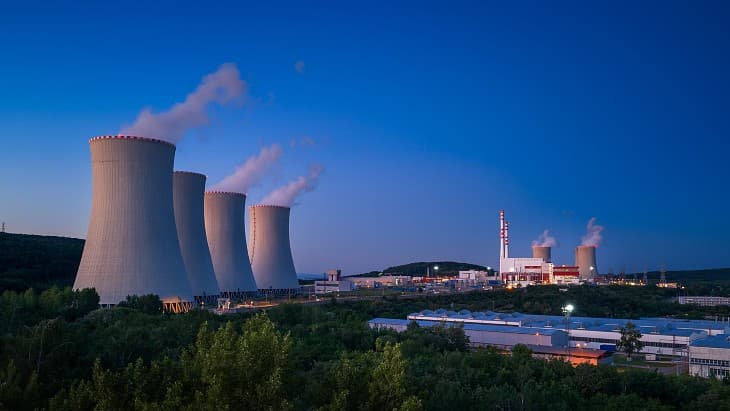
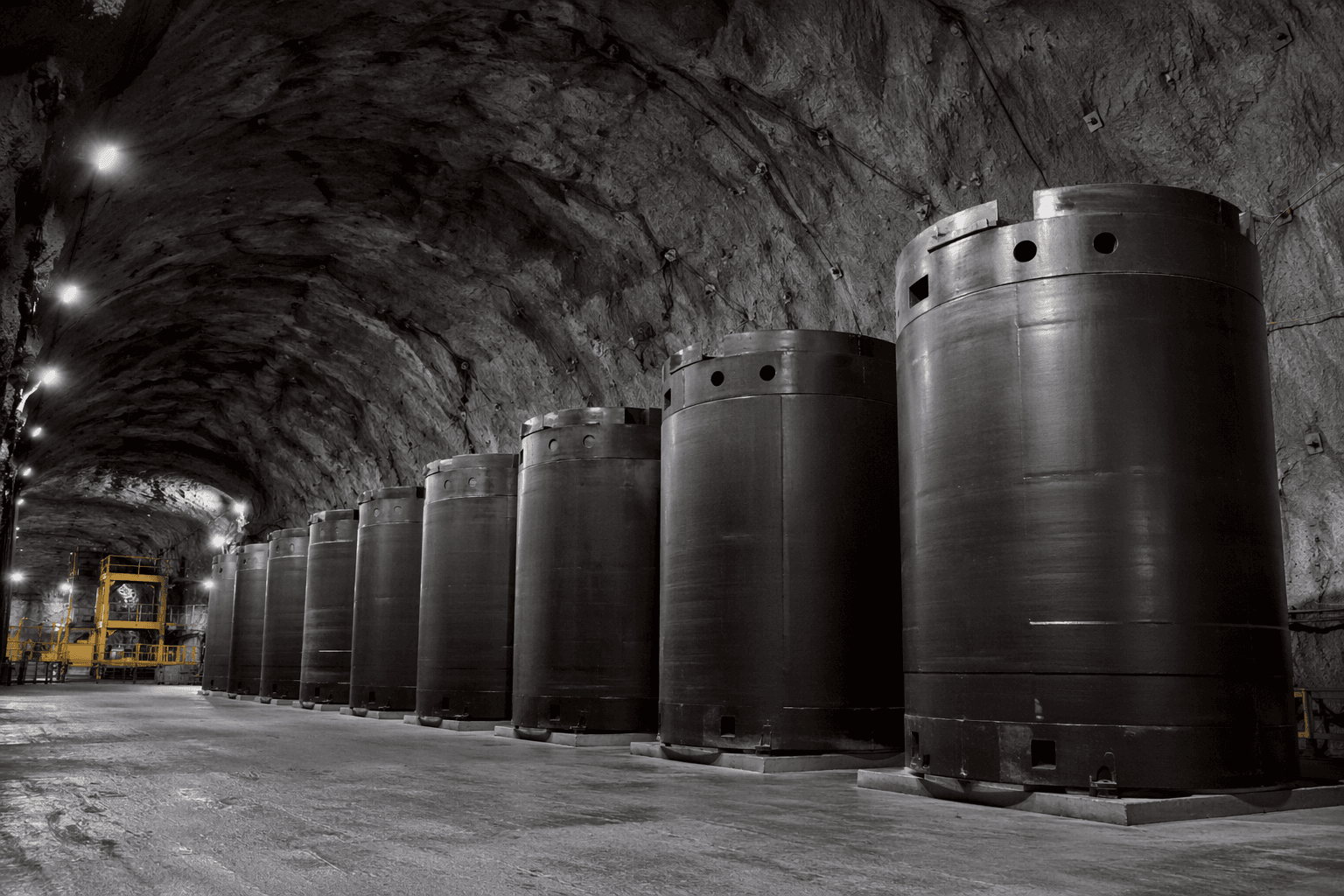
Terrestrial Energy secures Texas A&M site for IMSR reactor testing
Terrestrial Energy locked in exclusive use of about 77 acres at Texas A&M-RELLIS, turning its IMSR from a design into a site-specific licensing push.
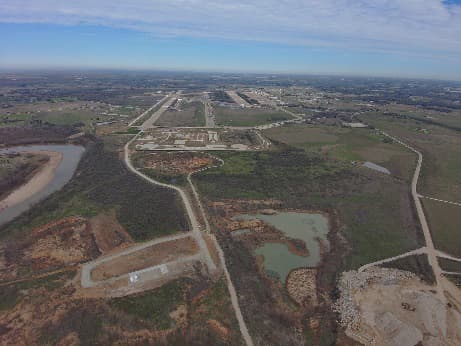
Terrestrial Energy has secured ground-lease and research agreements with the Texas A&M University System for exclusive use of about 77 acres at the Texas A&M-RELLIS campus in Bryan, Texas, giving its Integral Molten Salt Reactor program a real site to work from. The deal matters because it moves the project beyond broad development talk and into the kind of site characterization and environmental work that regulators expect before a construction permit application can go to the Nuclear Regulatory Commission.
At RELLIS, the company now has room to gather the data needed for an NRC application for a construction permit for an IMSR plant and associated facilities. That is the practical payoff of the agreement: Terrestrial Energy is no longer dealing only in design documents and licensing intent, but in a specific parcel where engineers can map conditions, define boundaries and build the evidence package a reactor project needs before ground can ever be broken.
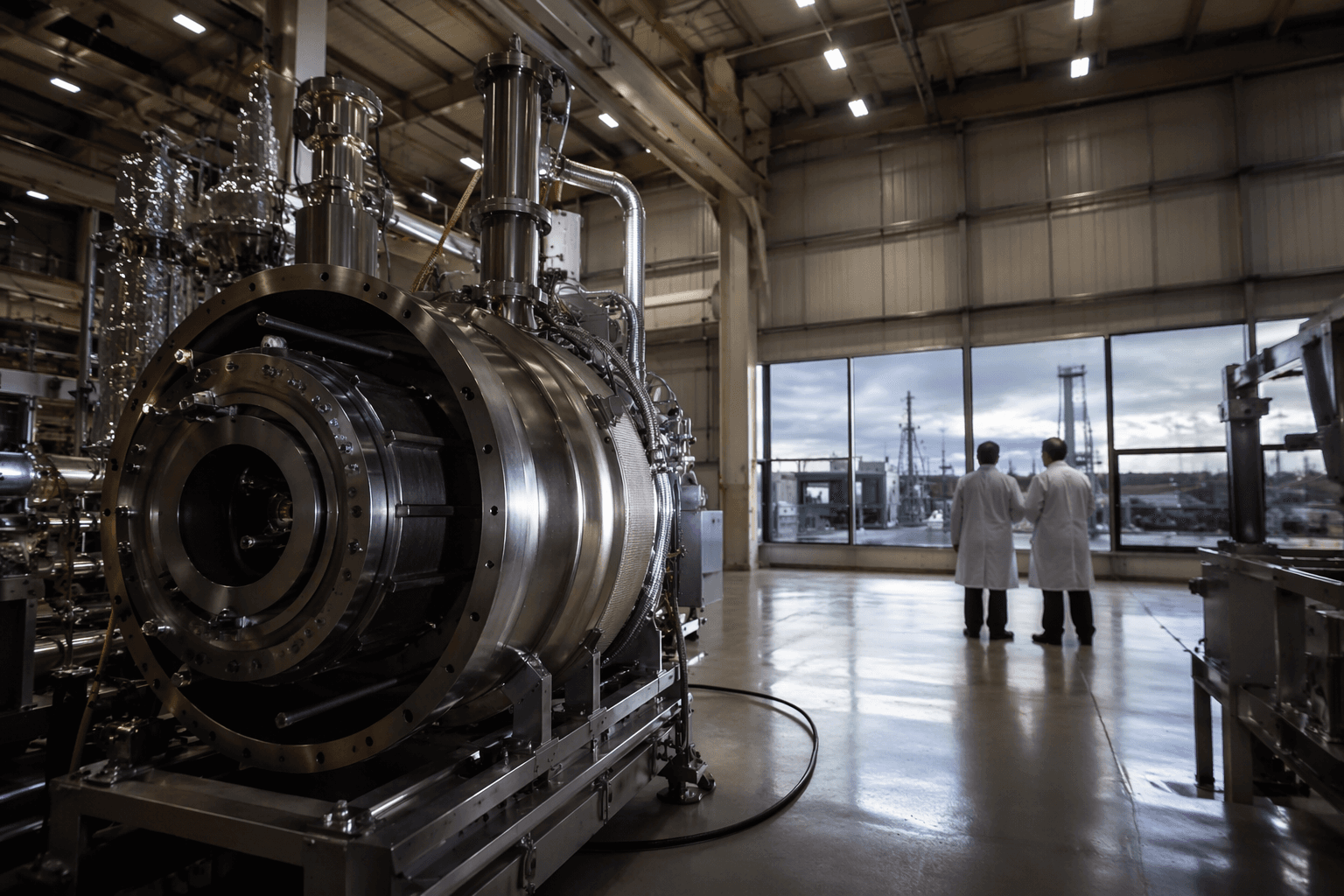
The campus itself is meant to support that transition. Texas A&M describes the RELLIS Energy Proving Ground as an innovation campus built to bridge concept and deployment through applied research, industry collaboration and operational realism. For advanced reactors, that is the point where many projects stumble. A paper design can look ready for years, but a reactor only becomes real when it is tied to land, local partners and the site data that lets regulators judge whether the project can actually be built.
Terrestrial Energy already cleared one important gate late last year, when the NRC issued a safety evaluation approving the company’s principal design criteria. With that decision in hand, the RELLIS agreements give the IMSR program a clearer path to the next milestones: site work, permit preparation and the eventual construction review that will determine whether the project advances from licensing theory to a physical plant.
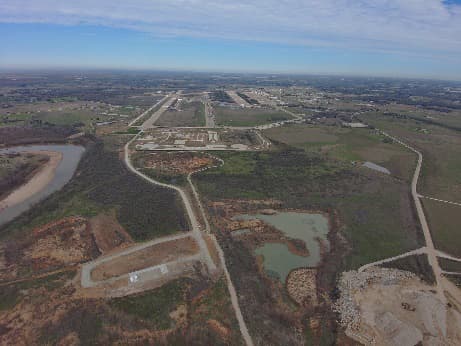
The significance of the Texas A&M move is not the acreage alone. It is that Terrestrial Energy now has an exclusive foothold at a real proving ground, where the IMSR can be tested against the constraints that matter most in nuclear development: the site, the paperwork, the regulator and the clock.
This article was produced by Prism’s automated news system from verified source data, official records, and press releases, then run through automated quality and moderation checks before publishing. The system is built and supervised by the people who set the standards it runs under. Read our full AI policy.
Did this article answer your question?