The Nuclear Company unveils AI security platform for reactor sites
The Nuclear Company rolled out NOS Security, tying cyber defense, drones and robotics to reactor construction sites as Barakah and Ukraine sharpened the threat case.
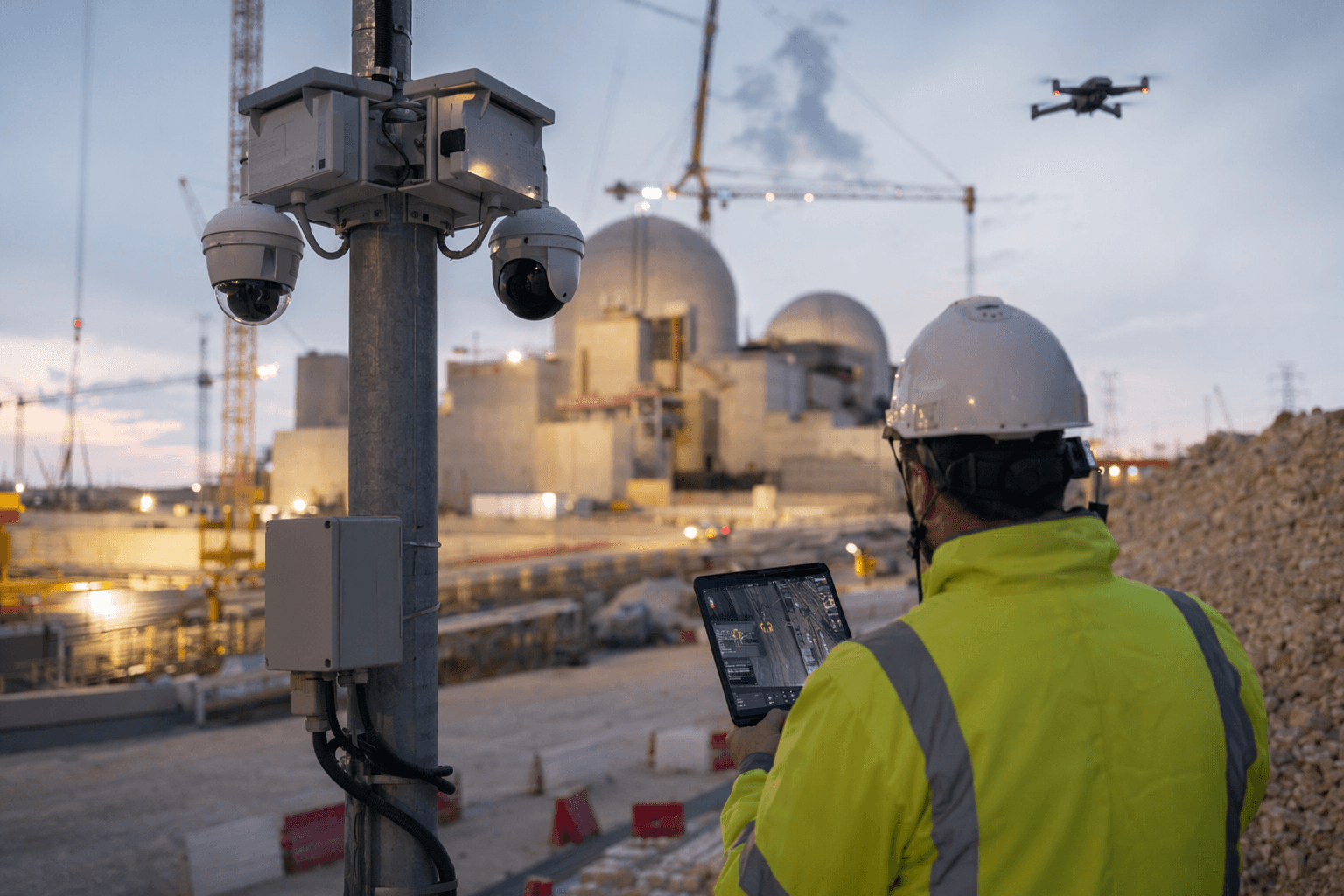
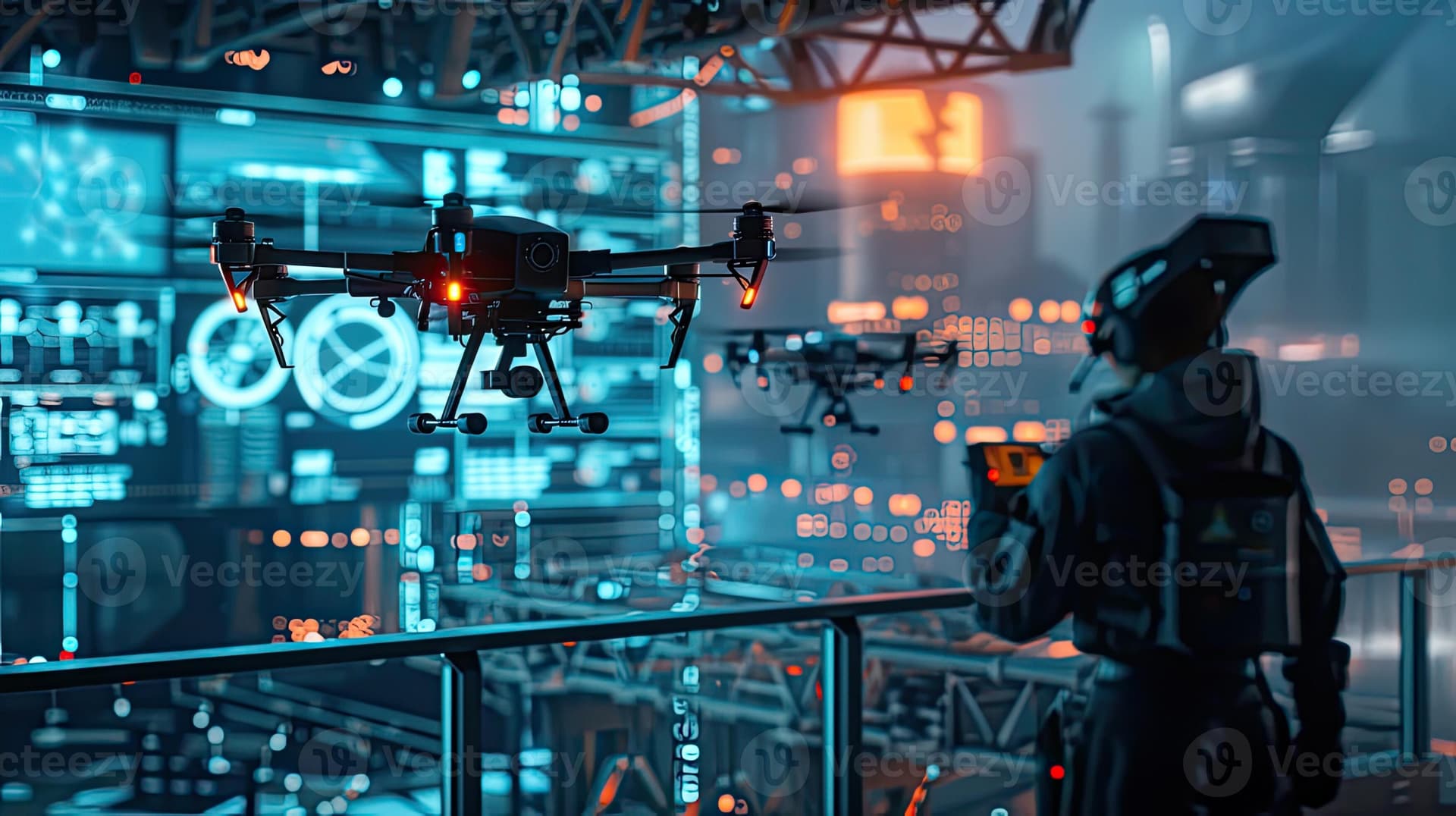
The Nuclear Company is trying to solve a problem that has long lived in two separate rooms at nuclear sites: cyber security on one side, physical protection on the other. Its new NOS Security platform folds AI-enabled monitoring, autonomous drones and robotics, advanced sensing, unified command infrastructure, cyber defense and real-time operational intelligence into one system for nuclear construction sites, infrastructure and operating facilities in the United States and allied nations.
The company said NOS Security was developed over the previous year in stealth and is being deployed first to support its own construction and development work, including future large-scale reactor campuses and related critical infrastructure. That matters because the pressure points in nuclear security have changed. A site manager is no longer only worrying about guards, fences and cameras. The threat set now includes drone incursions, insider risk, cyber-physical attacks and coordinated strikes on energy infrastructure, all of which can complicate construction schedules as much as licensing or concrete pours.
The platform is also meant to sit inside the rulebook nuclear operators already know. The company said it was designed to align with Nuclear Regulatory Commission requirements under 10 CFR 73.54, which covers protection of digital computer and communication systems and networks, and 10 CFR 73.55, which governs physical protection of nuclear power reactors against radiological sabotage. The NRC has called cybersecurity an ever-growing challenge because reactors and other critical infrastructure depend on IT systems, and it created a Cyber Security Branch in 2013. The Nuclear Energy Institute says the industry began addressing cybersecurity more comprehensively after Sept. 11, 2001, with NRC security enhancements codified in 2009.
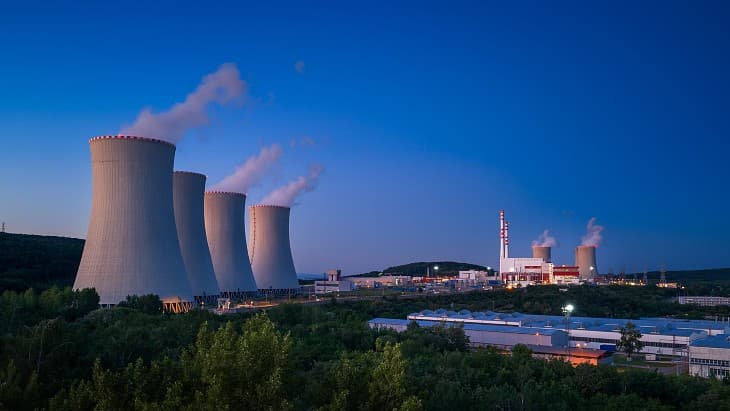
The timing is hard to miss. In May, the International Atomic Energy Agency and the United Nations reported that a drone strike near the Barakah Nuclear Power Plant in the United Arab Emirates caused a fire at an electrical generator outside the inner perimeter, briefly pushing Unit 3 onto emergency diesel generators before off-site power returned. Radiation levels stayed normal and no injuries were reported. The IAEA has also warned repeatedly about drone activity near Ukrainian plants, including South Ukraine Nuclear Power Plant and the broader risk picture around Zaporizhzhia.
NOS Security arrives just weeks after The Nuclear Company and Brookfield said they would form a new company focused on Westinghouse reactor technology and serve as project manager for the V.C. Summer nuclear project in South Carolina, where the AP1000 build was halted in 2017. That makes the new platform more than a security announcement. It is part of a larger pitch that reactor execution, supply chain control and site protection now have to move together if new nuclear is going to scale without repeating old failures.
This article was produced by Prism’s automated news system from verified source data, official records, and press releases, then run through automated quality and moderation checks before publishing. The system is built and supervised by the people who set the standards it runs under. Read our full AI policy.
Did this article answer your question?