Trawsfynydd completes 20-year cleanup, last radioactive waste removed
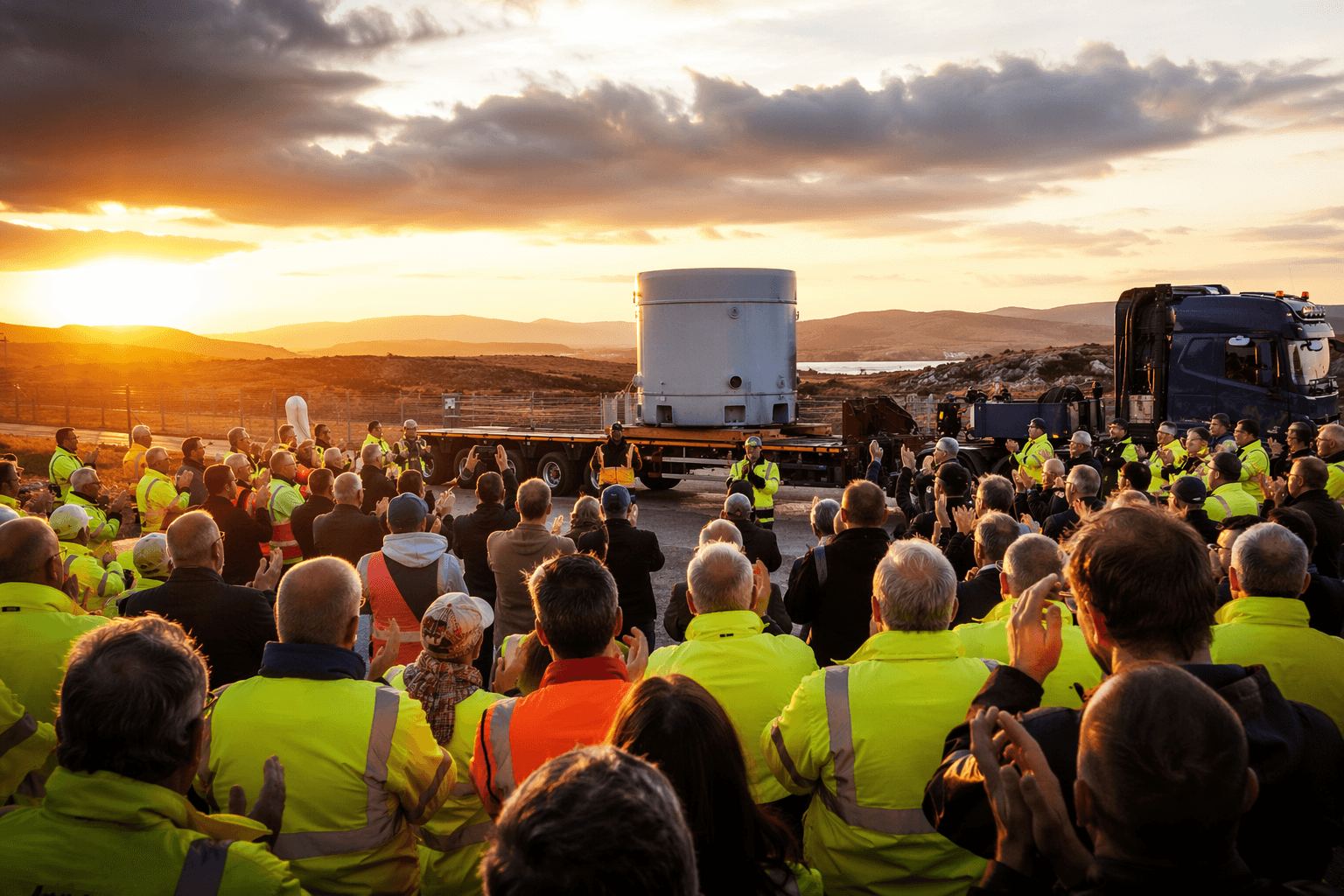
Trawsfynydd has cleared its last intermediate-level waste package, ending a 20-year job that drained the site’s highest hazards into storage.
_93956.jpg&w=1920&q=75)
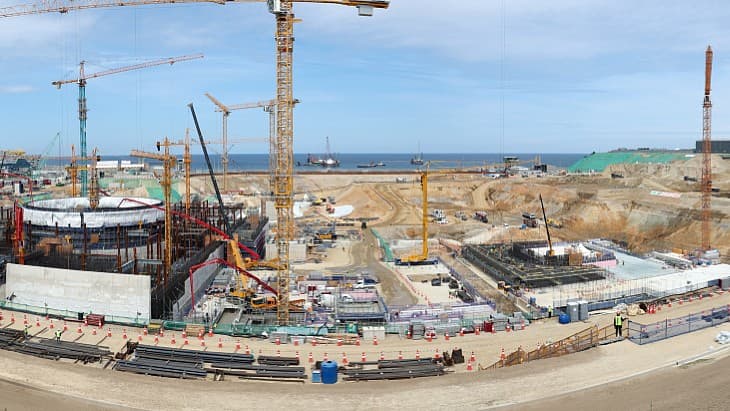
The last intermediate-level waste package has gone into storage at Trawsfynydd, closing out a 20-year campaign that stripped the shut-down Magnox station of its remaining higher-activity material and moved the site one step closer to final decommissioning. For a plant that once generated power on the edge of Llyn Trawsfynydd and is still the UK’s only inland nuclear power station, that is a hard technical milestone, not a ceremonial one.
Nuclear Restoration Services said the programme finished with almost 2,300 individual waste packages, each one representing a controlled retrieval, processing and storage step for material left behind after generation ended. The job was not just a matter of moving drums and boxes. Crews used a robotic arm to reach into deep storage areas and specialist vacuum equipment to collect fine dust and small fragments, the kind of material that makes a cleanup campaign slow, awkward and expensive if the right kit is not built for the task.
That matters because Trawsfynydd has been a live lesson for the rest of the UK’s Magnox estate. The Nuclear Decommissioning Authority set the site on a rolling decommissioning path in 2020, naming it the lead-and-learn site. The point was to work out, in one place, how to tackle awkward legacy material safely and repeatedly, then transfer those lessons elsewhere. The UK Radioactive Waste & Materials Inventory says Trawsfynydd was the first Magnox site to recover radioactive waste from all its waste streams, with wet waste retrievals completed in 2018 and bulk fuel element debris retrievals completed in 2022.
The site’s hazard profile has now changed in a very practical way. The highest-activity waste phase is done, the last waste package is in store, and the inventory picture is very different from the one the team inherited. As of April 1, 2022, the site held 2,240 cubic metres of intermediate-level waste in stock, and the inventory put its lifetime total ILW figure at 6,910 cubic metres. Clearing the remaining higher-activity material does not make Trawsfynydd simple, but it does make the next phase cleaner, safer and more straightforward to sequence.
That next phase is already lined up. In October 2025, Nuclear Restoration Services appointed Costain as principal contractor for the work that will reduce the height of the two reactor buildings from about 54 metres to 25 metres, in a contract worth up to £70 million and expected to run for around four years. The Trawsfynydd End State Tactical Group has been briefing stakeholders along the way, and now the site shifts from a 20-year waste retrieval campaign to the more visible business of bringing the reactors down to their final profile.
This article was produced by Prism’s automated news system from verified source data, official records, and press releases, then run through automated quality and moderation checks before publishing. The system is built and supervised by the people who set the standards it runs under. Read our full AI policy.
Know something we missed? Have a correction or additional information?
Submit a Tip