TVEL ships first fuel for Kudankulam unit 4 startup
TVEL said Kudankulam unit 4’s first-load fuel was made at Elektrostal and accepted by NPCIL, pushing the VVER-1000 closer to commissioning.
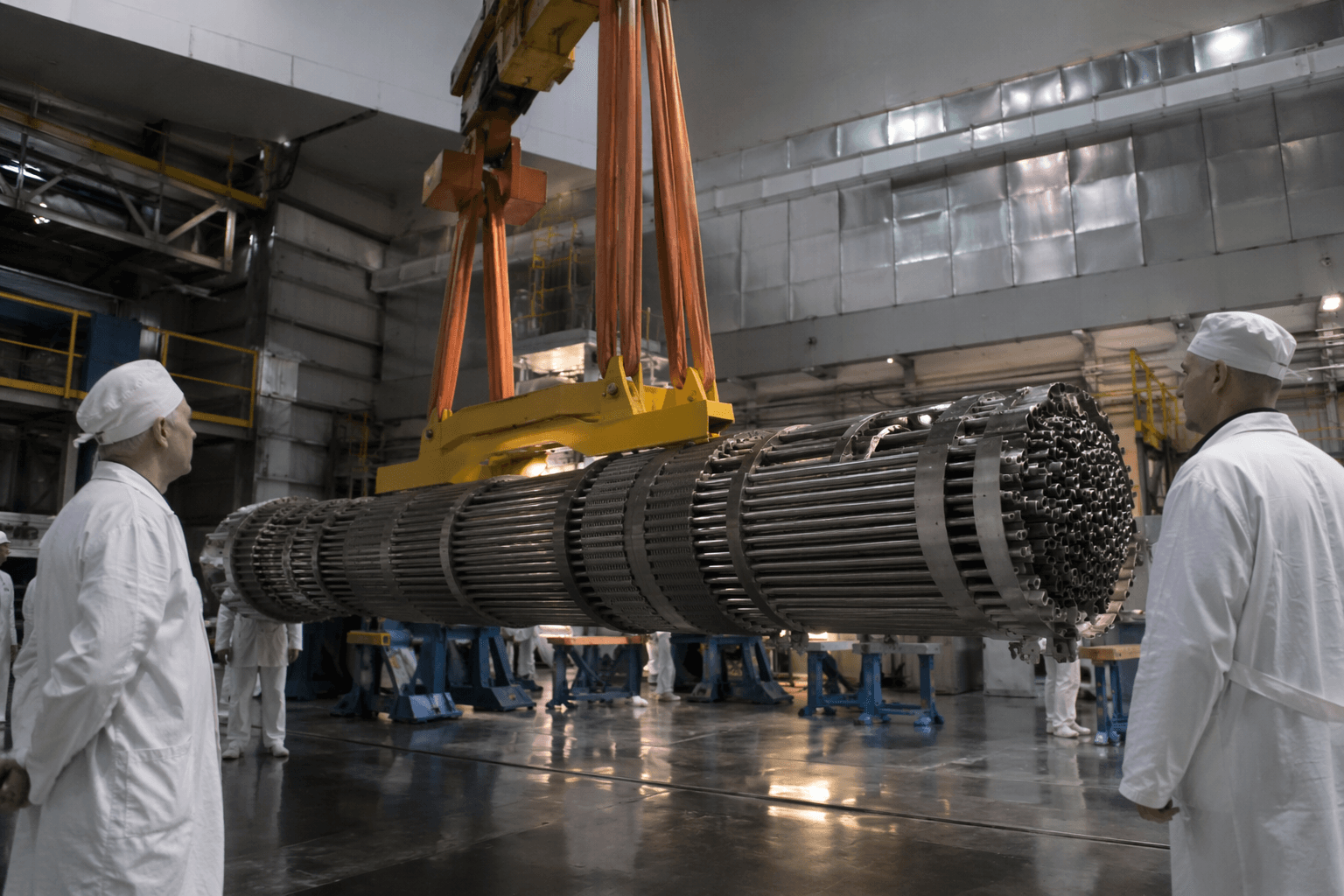
Fuel fabrication, not concrete, was the milestone that moved Kudankulam unit 4 a step closer to startup. Rosatom’s TVEL fuel division said the nuclear fuel for the reactor’s initial loading was manufactured at the Elektrostal Machine-Building Plant and has now been accepted by the Indian plant operator, turning a construction project into a live commissioning timeline.
That matters because initial core load is one of the last practical gates before first criticality. For Kudankulam, the shipment is part of a longer fuel relationship between India and Russia: TVEL said the 2024 contract for units 3 and 4 covers fuel supply for the entire operating life of both reactors. The company also said the new units will begin operation on 18-month fuel cycles from the start, building on operating experience at the site, where unit 1 moved to an 18-month cycle after refuelling in July 2022.
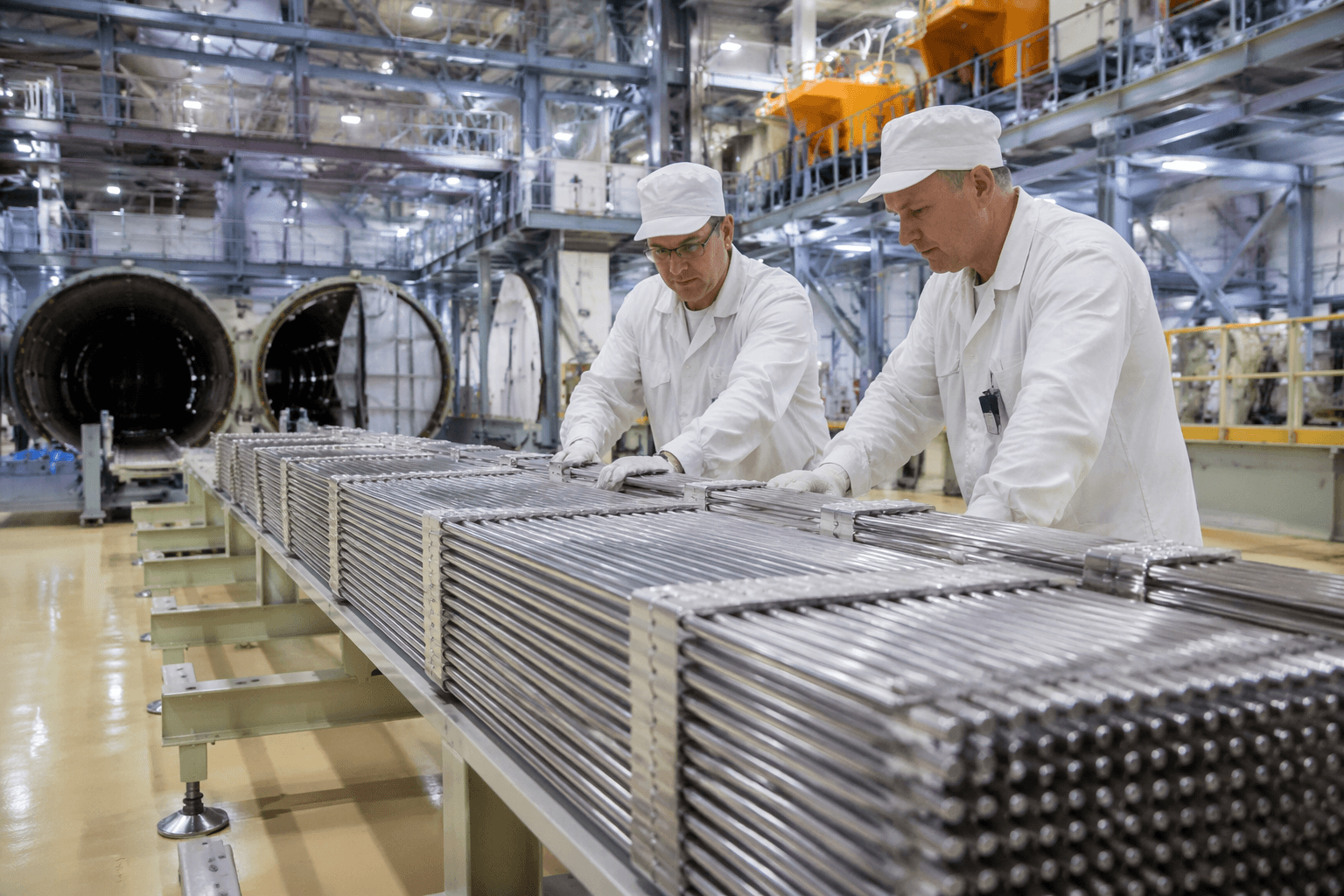
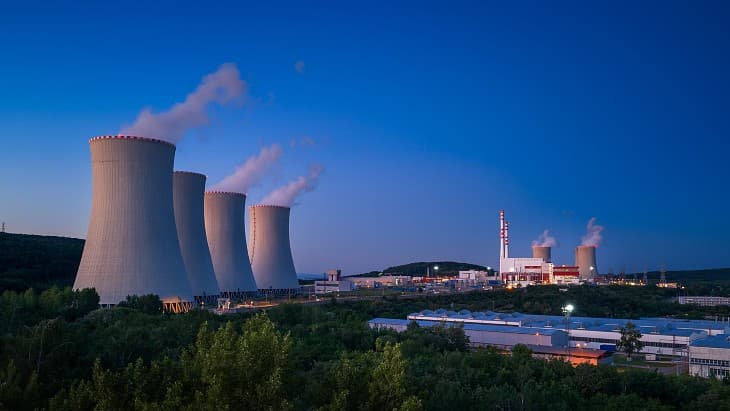
Kudankulam is already an operating nuclear station on India’s southern coast in Tamil Nadu, near Tuticorin, with unit 1 in commercial service since 2014 and unit 2 since 2017. Units 3 and 4 began construction in 2017, units 5 and 6 followed in 2021, and two more units, 7 and 8, have been proposed for a future phase. The fuel delivery for unit 4 shows that the project is no longer just about heavy civil work on site: it is moving through the supply chain, quality checks, transport, and operator acceptance that have to line up before a reactor can be brought into service.
The broader commissioning picture has also sharpened. Indian reporting in 2025 said Kudankulam unit 4’s expected commissioning window shifted from August 2027 to December 2027 because of geopolitical challenges, while NPCIL approved 50 MW of unallocated power from unit 1 to support start-up and commissioning work for units 3 and 4. That underlines how much of the final phase depends on plant resources and system readiness, not only on construction progress.
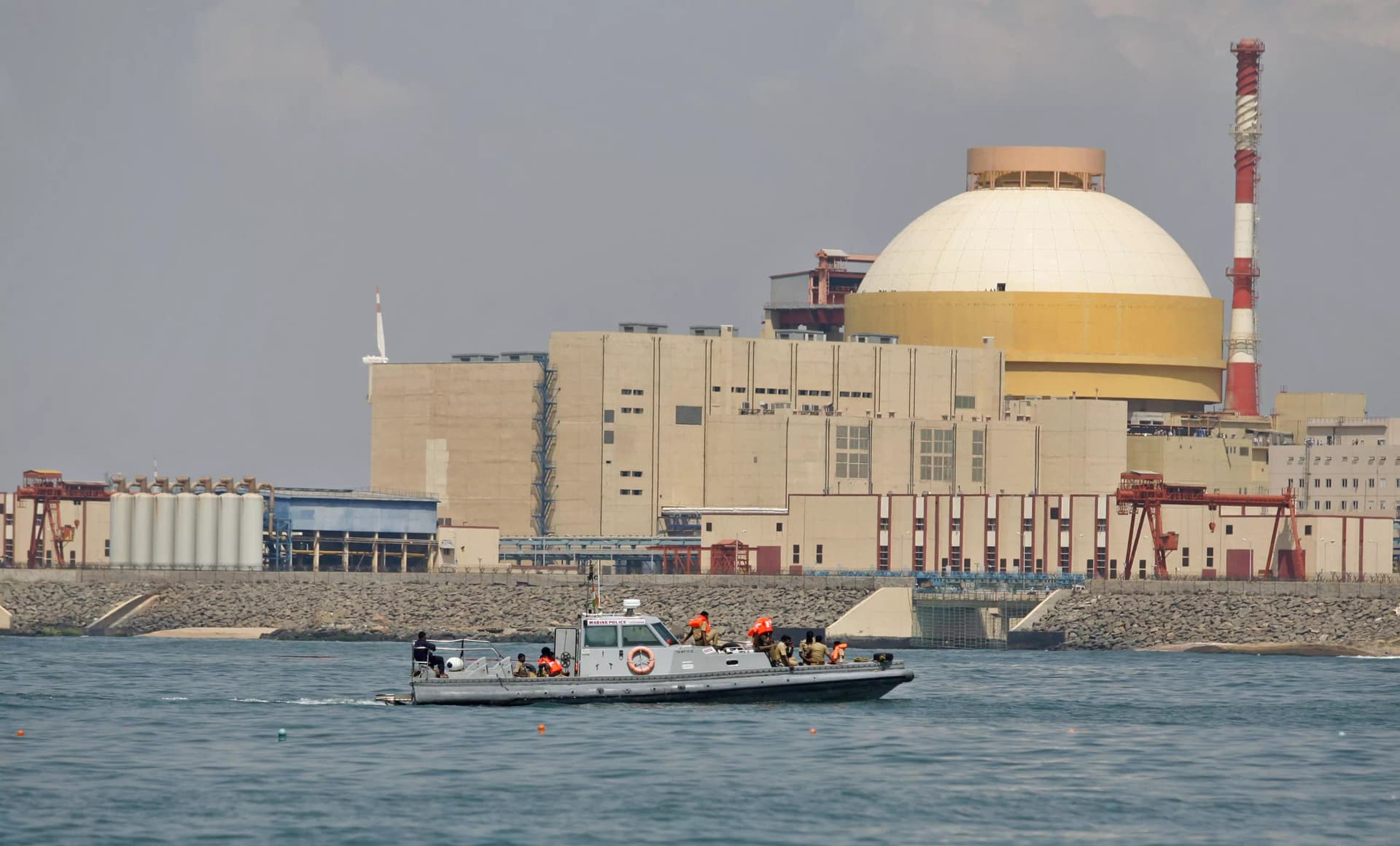
For India, the milestone lands inside a much larger buildout target. The government has set a goal of 100 GW of nuclear capacity by 2047, and Kudankulam remains one of the country’s flagship projects on that road. The first-load fuel for unit 4 does not end the job, but it does make the next steps look much more like a reactor startup than a construction site.
This article was produced by Prism’s automated news system from verified source data, official records, and press releases, then run through automated quality and moderation checks before publishing. The system is built and supervised by the people who set the standards it runs under. Read our full AI policy.
Did this article answer your question?