UK team creates ultra-bright attosecond X-ray pulses with Gemini laser
Gemini turned laser-plasma harmonics into attosecond X-ray bursts. The result points to a lab-scale route for extreme radiation studies, not just giant free-electron lasers.
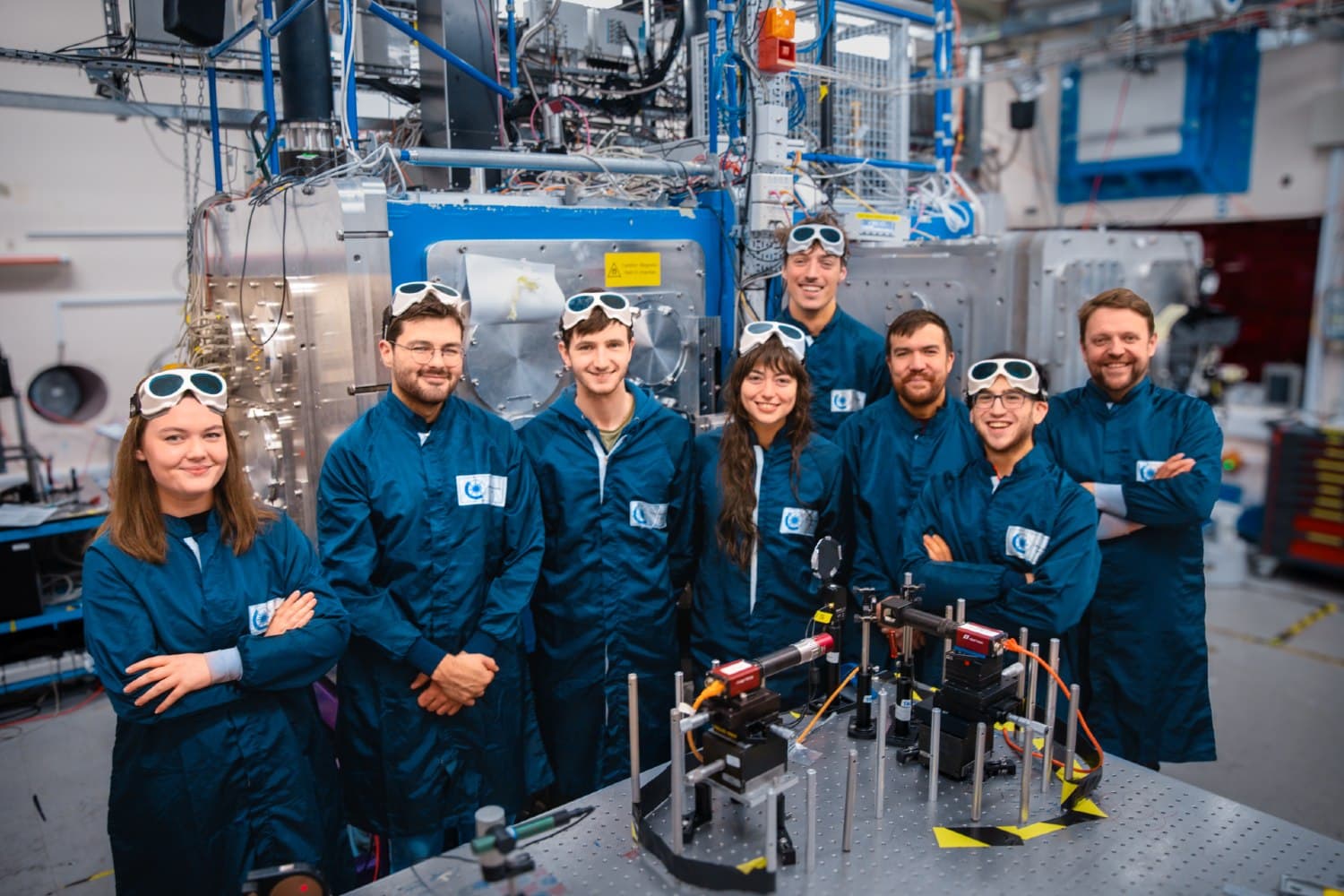
Ultra-bright attosecond X-ray pulses are no longer confined to theory or to the biggest light sources on Earth. A UK-led collaboration used the Gemini laser at the Science and Technology Facilities Council’s Central Laser Facility to generate radiation pulses compressed from femtoseconds to attoseconds, a step that could reshape how researchers probe extreme radiation in the laboratory.
The work was led by Dr Robin Timmis and Professor Peter Norreys at the University of Oxford, with Dr Timmis working as an AWE-sponsored DPhil student under joint supervision from Professor Norreys and Ed Gumbrell of AWE Nuclear Security Technologies. AWE said three of its scientists were part of the wider collaboration, alongside researchers from Queen’s University Belfast, the Central Laser Facility, and partners in the United States and Germany. The results were published in Nature in April 2026 and were announced by AWE on 20 May 2026.
What makes the advance stand out for the nuclear reactions and high-energy-density crowd is not just the brightness, but the route used to get there. The team exploited relativistic harmonic generation in laser-plasma interactions, a mechanism that shifts reflected light into the extreme ultraviolet and soft X-ray regions while compressing the pulse duration by many orders of magnitude. AWE described the result as a practical route to dramatically increasing laboratory radiation intensity, rather than a one-off flourish from a massive facility.
That distinction matters. Attosecond science is already a key tool for studying electron motion on timescales shorter than a femtosecond, but most headline results have depended on large free-electron lasers. This experiment showed a different path, one based on laser-plasma physics, and AWE said it confirmed long-standing theoretical predictions in the field. For researchers who care about diagnostics, materials under extreme conditions, or weapons-effects science, the real significance is the prospect of a more compact way to generate ultrafast, intense X-ray pulses for probing matter at its most violent and least understood.
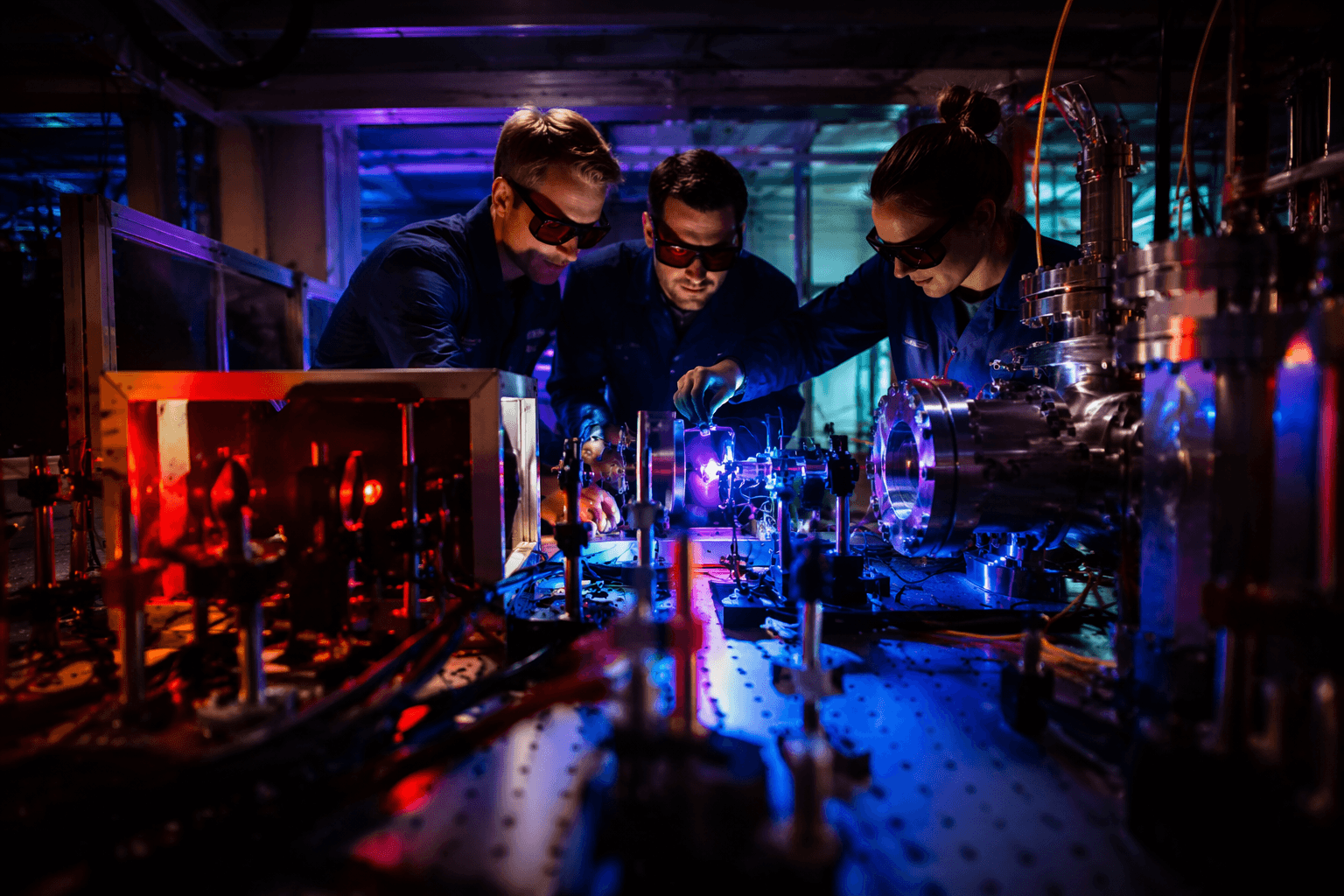
The collaboration also gave Dr Timmis a personal milestone. She won the 2026 Culham Thesis Prize for plasma science for her thesis, Attoseconds and the exascale: on laser-plasma surface interactions. The annual prize, awarded by the UK Atomic Energy Authority and the Institute of Physics, recognises excellence in plasma science from recent doctoral work.
For now, the Gemini result is best read as a breakthrough in capability rather than an off-the-shelf instrument. But it brings lab-scale attosecond X-ray generation closer to the kind of practical tool that nuclear science has long wanted: one that can catch the fastest processes in matter before they vanish.
This article was produced by Prism’s automated news system from verified source data, official records, and press releases, then run through automated quality and moderation checks before publishing. The system is built and supervised by the people who set the standards it runs under. Read our full AI policy.
Did this article answer your question?