US approves Xcimer Athena fusion plant design milestone
DOE approval pushed Athena past an early review gate, but Xcimer still has to prove subsystems, validate the engineering, and line up a plant path.
_97338.jpg&w=1920&q=75)
Xcimer Energy cleared a significant early gate for Athena when the U.S. Department of Energy formally approved the company’s preconceptual design and technology development roadmap. The decision matters because it came after a 724-page submission that went far beyond a concept pitch, covering plant performance targets, economics, system-level engineering, safety analysis, environmental analysis, and the development path needed to push a laser-fusion power plant toward commercial reality.
The approval does not authorize construction, but it does mark a substantive external review of whether Athena is more than paper architecture. For a Denver-based company trying to move inertial fusion out of the lab and into the power sector, that distinction is crucial. The DOE review gives Xcimer a credible checkpoint on the road to full-scale subsystem testing, engineering validation, and preparation for an integrated plant demonstration, which are still the major hurdles before any buildable plant comes into view.

Athena is built around Xcimer’s proprietary excimer-laser platform, paired with target delivery, a fusion chamber, tritium breeding, and power-generation systems. The company has designed it around continuous operation rather than one-off experimental shots, with a target repetition rate of up to 1 hertz. That is the commercial bet: if the system can fire steadily and keep its own fuel cycle moving, laser fusion starts to look less like a physics experiment and more like an industrial power machine.
The most distinctive feature is the liquid-wall chamber concept. Xcimer’s design uses a molten-salt curtain to absorb and moderate the fusion flux, breed fuel, and carry away heat while renewing itself continuously. That approach is aimed squarely at the durability problem that has dogged other laser-fusion chamber concepts, where repeated pulses and intense energy loads can overwhelm solid components long before a plant resembles a reliable generator.
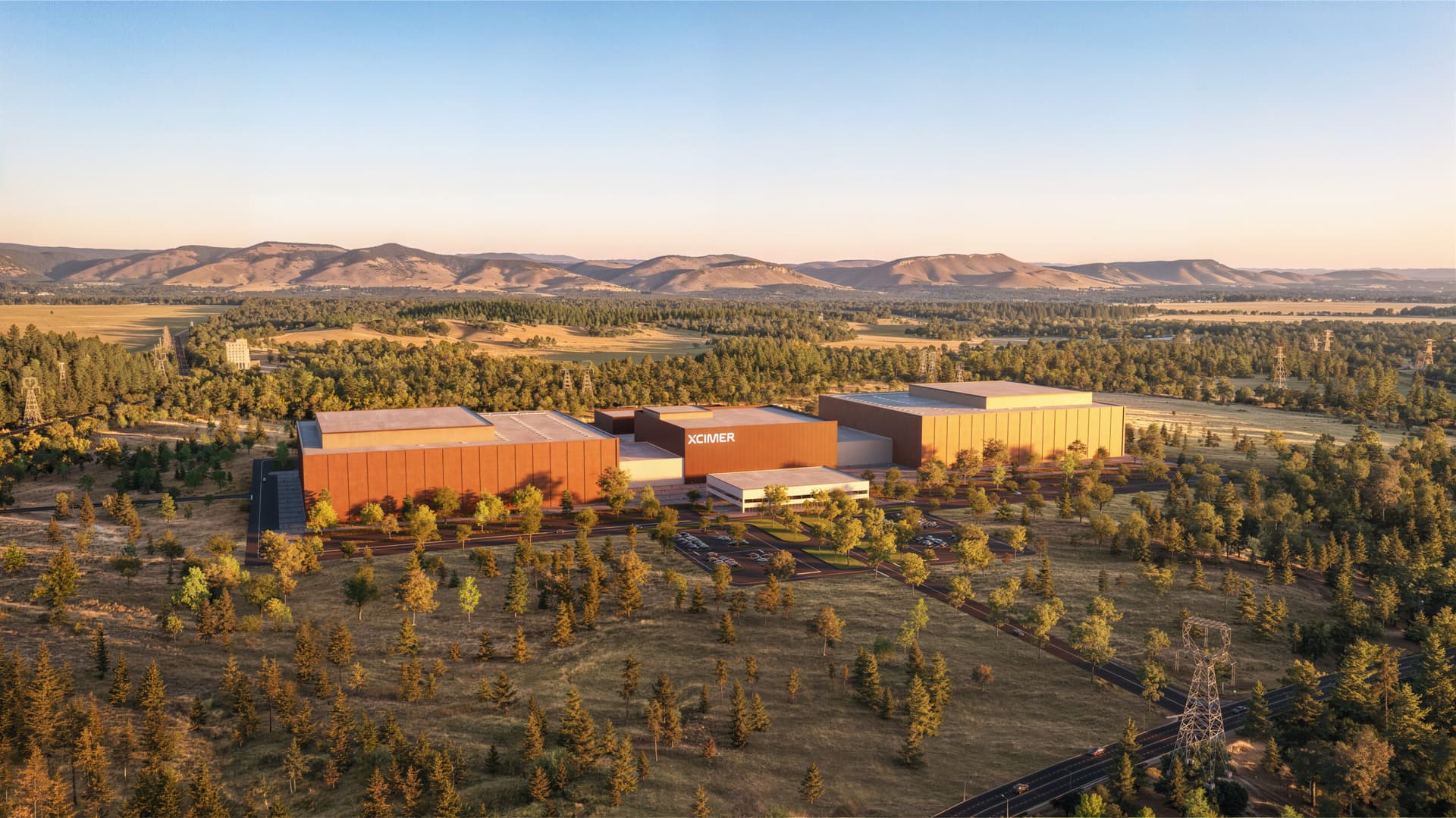
The milestone also fits into a broader commercialization sequence. Xcimer had already published a roadmap earlier in the year, and the DOE approval now validates that path at an early stage rather than closing the book on it. For Athena, the hard question is still the same one that follows every promising fusion paper design: whether the hardware can survive contact with the engineering reality that stands between a concept review and a power plant.
This article was produced by Prism’s automated news system from verified source data, official records, and press releases, then run through automated quality and moderation checks before publishing. The system is built and supervised by the people who set the standards it runs under. Read our full AI policy.
Did this article answer your question?