US awards $94 million to speed advanced small modular reactors
The DOE split more than $94 million across eight companies, putting permit work in New York and Nebraska and factory prep in Indiana at the front of the SMR push.

The money did not go to a paper promise. It went to the parts of advanced small modular reactor deployment that usually slow projects down: licensing, site readiness and the hardware needed to turn a design into a build.
The US Department of Energy picked eight more companies to share more than $94 million in cost-shared federal funding for near-term deployment of advanced light-water SMRs. The awards were made through the department’s Generation III+ Small Modular Reactor Pathway to Deployment effort, which is aimed at bridging the current reactor fleet to a new wave of factory-built plants that can be assembled faster than conventional large reactors.
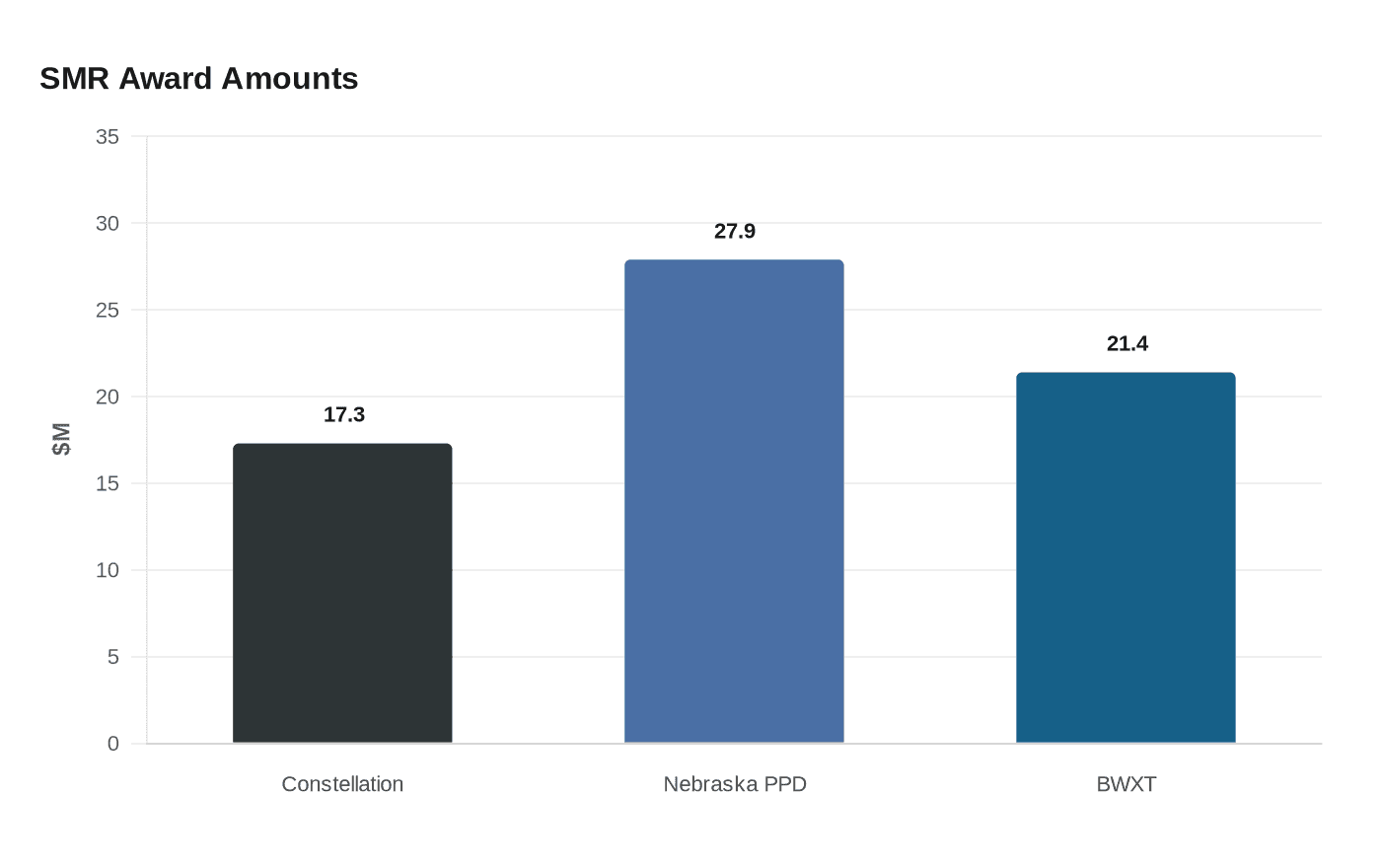
Two of the biggest awards are tied directly to licensing. Constellation SMR Development LLC received $17.3 million to pursue an NRC-approved early site permit in New York, while Nebraska Public Power District got $27.9 million for a similar permit effort in Nebraska. Those are not abstract planning exercises. They are the sort of regulatory steps that determine whether a project can move from concept to a site-specific development path.
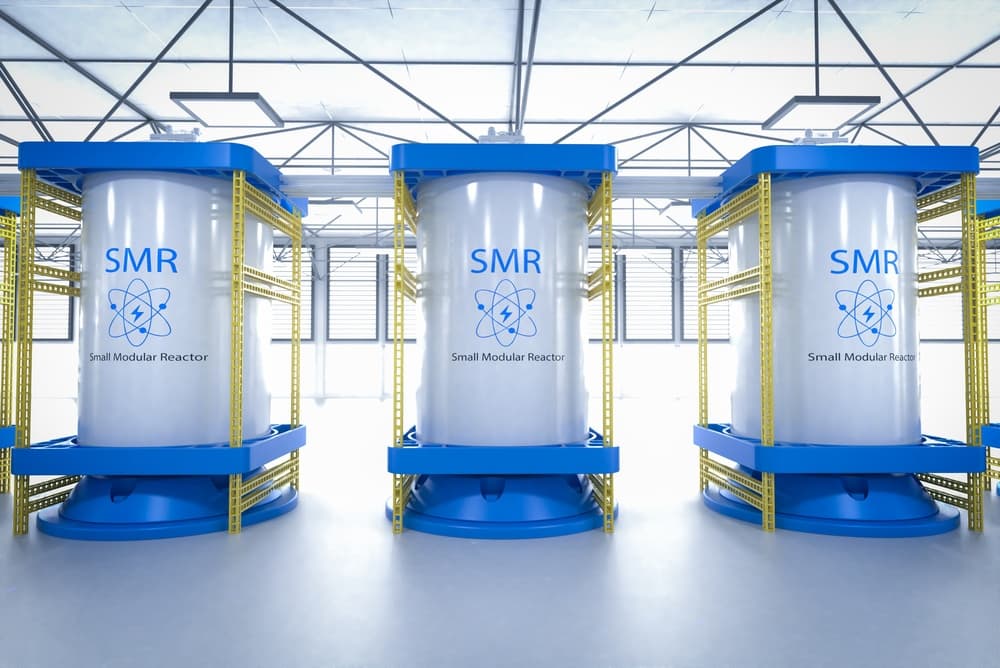
BWXT Nuclear Energy also picked up $21.4 million to buy equipment for its Mount Vernon, Indiana, facility, where it plans to support final assembly of reactor pressure vessels and other large nuclear components. That kind of manufacturing investment matters because the SMR pitch only works if the supply chain is ready before the first pour of concrete.
Roughly half of the funding is going toward site selection and site-readiness work, a sign that the federal government is trying to de-risk the earliest project phases rather than simply subsidize announcements. The Department of Energy has framed the broader program around a practical goal: getting light-water SMRs deployed in time to serve rising power demand from data centers, artificial intelligence and industrial customers that need reliable around-the-clock electricity.
The awards also build on DOE’s December 2025 selections of TVA and Holtec for up to $800 million in support for early SMR deployments at Clinch River in Tennessee and Palisades in Michigan. Taken together, the funding points to a real deployment pipeline taking shape, with permits, component manufacturing and siting now moving in parallel. The question is no longer just whether advanced SMRs can be designed. It is whether enough of the front-end work gets finished fast enough to turn these awards into operating sites.
This article was produced by Prism’s automated news system from verified source data, official records, and press releases, then run through automated quality and moderation checks before publishing. The system is built and supervised by the people who set the standards it runs under. Read our full AI policy.
Did this article answer your question?